Events

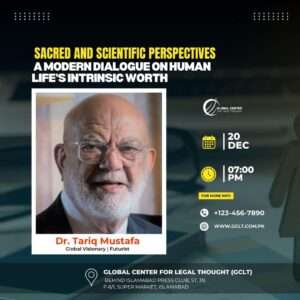
𝐀 𝐌𝐨𝐝𝐞𝐫𝐧 𝐃𝐢𝐚𝐥𝐨𝐠𝐮𝐞 𝐨𝐧 𝐇𝐮𝐦𝐚𝐧 𝐋𝐢𝐟𝐞’𝐬 𝐈𝐧𝐭𝐫𝐢𝐧𝐬𝐢𝐜 𝐖𝐨𝐫𝐭𝐡

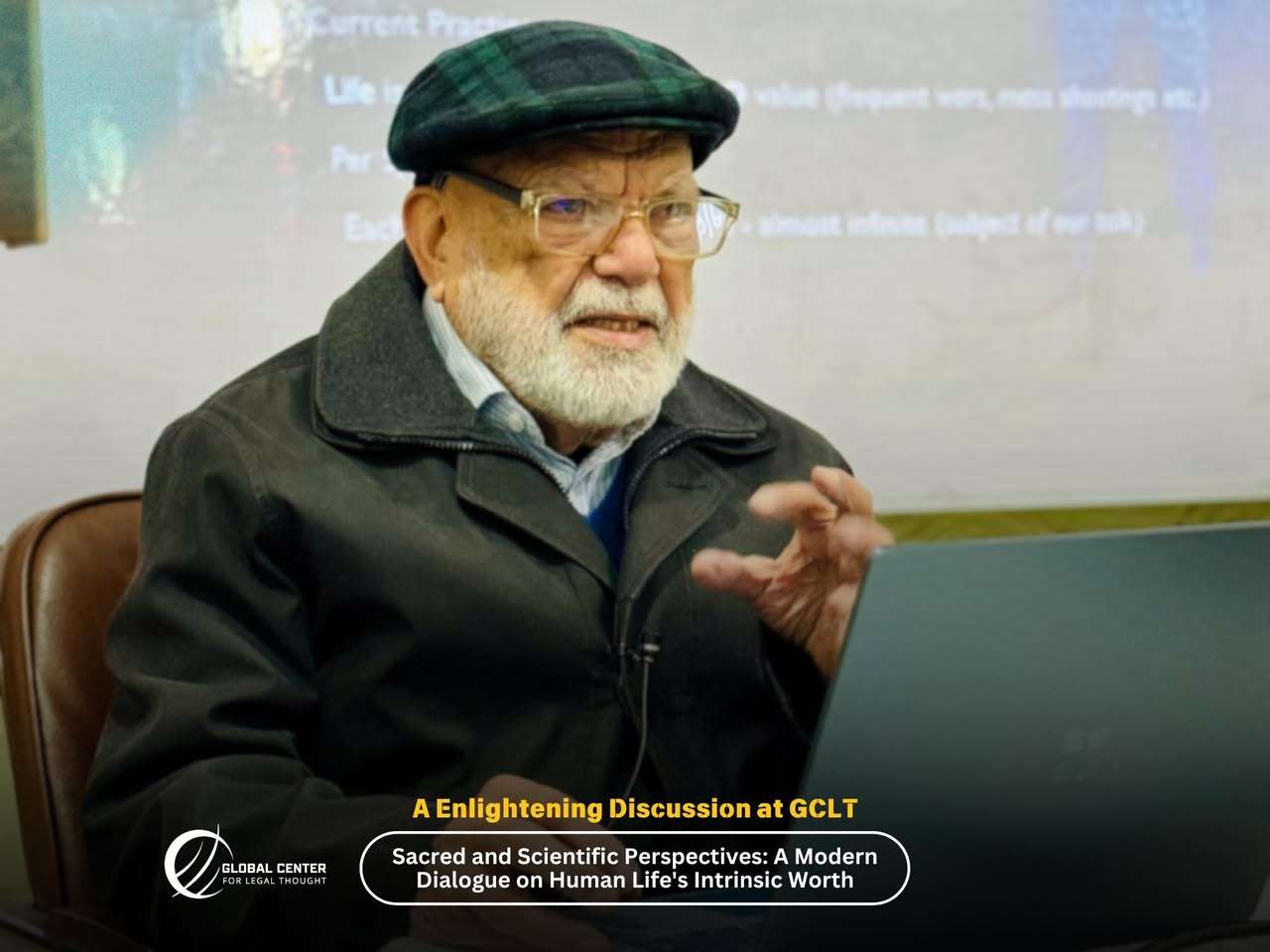
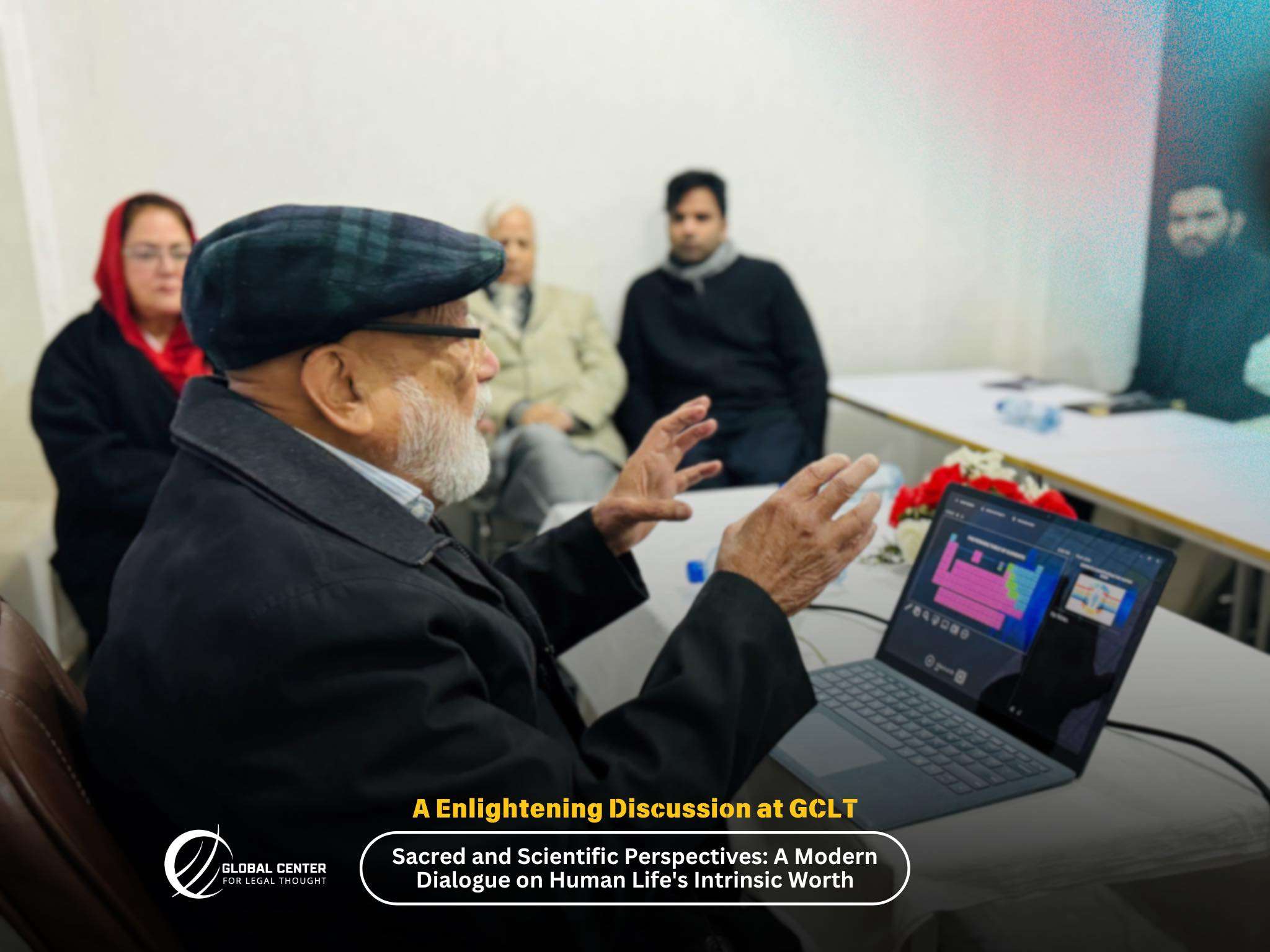
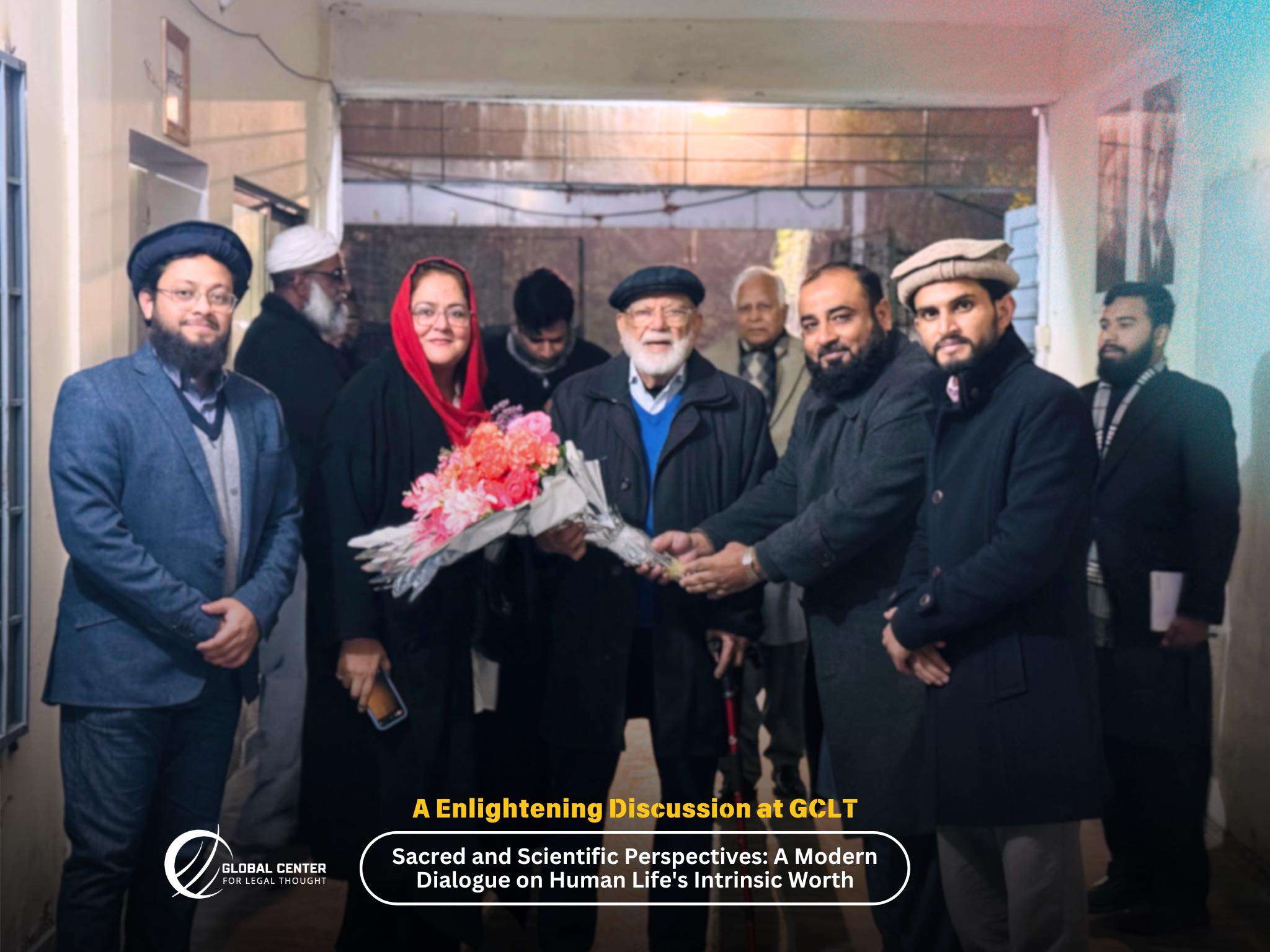
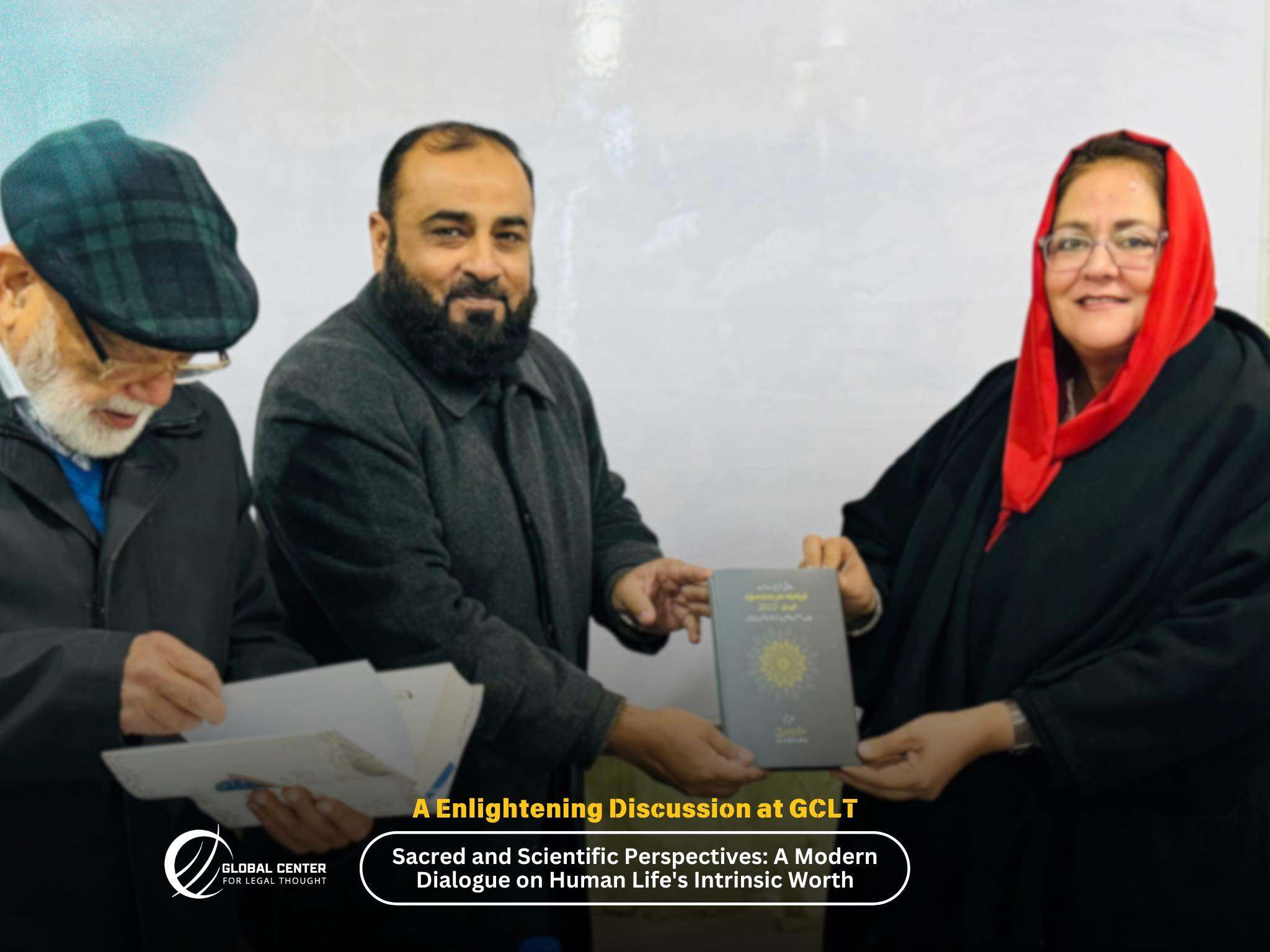
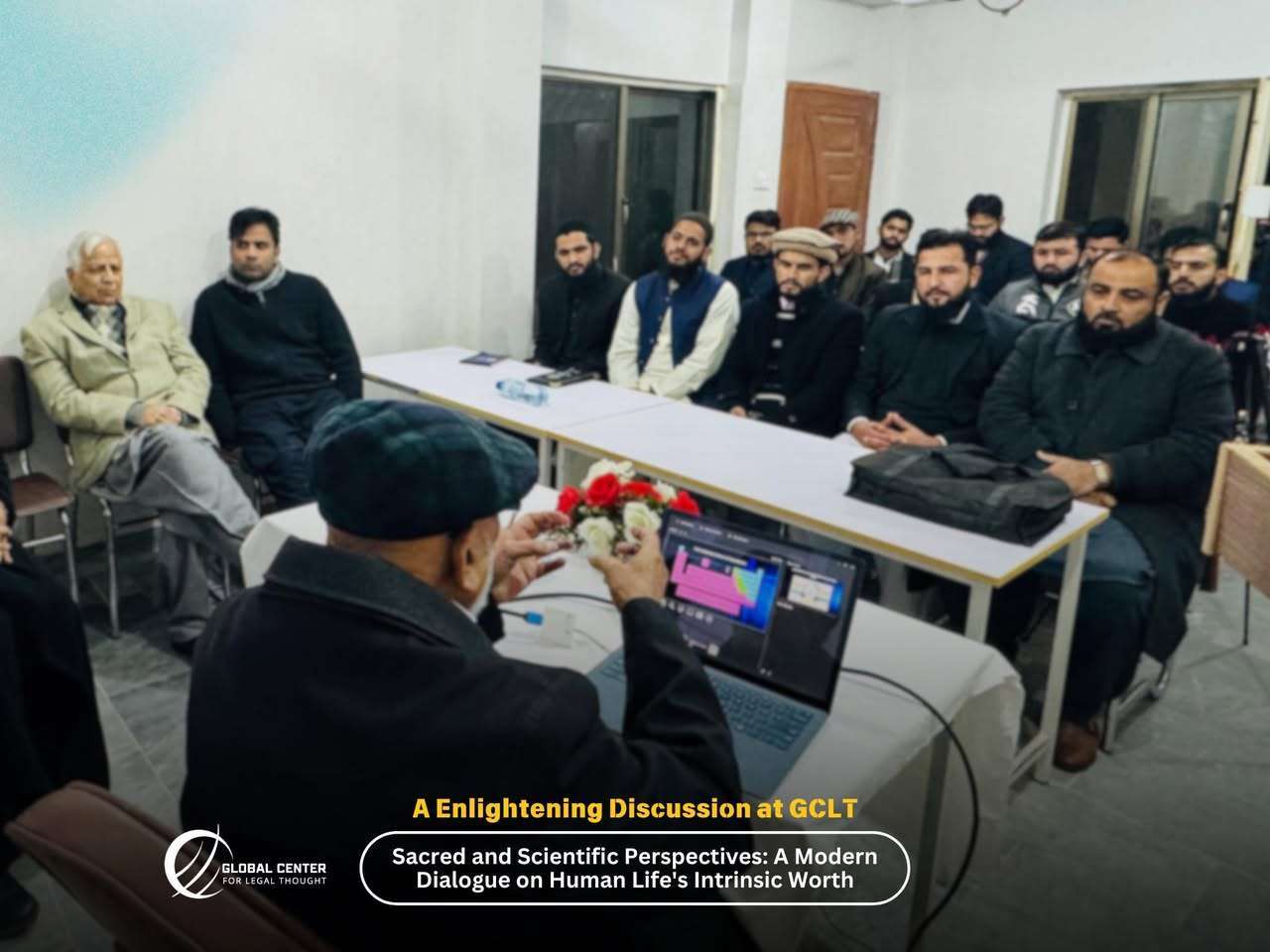
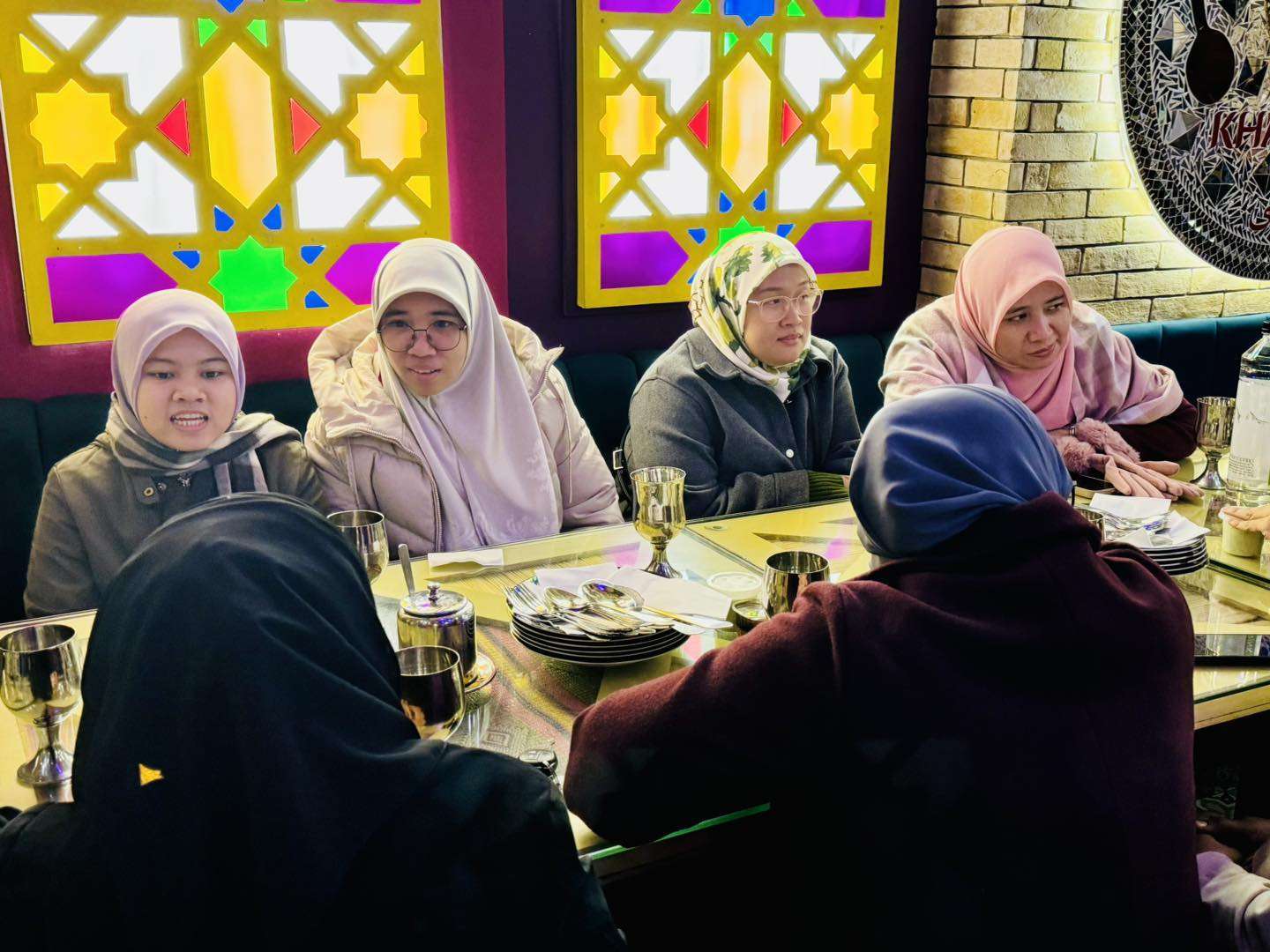
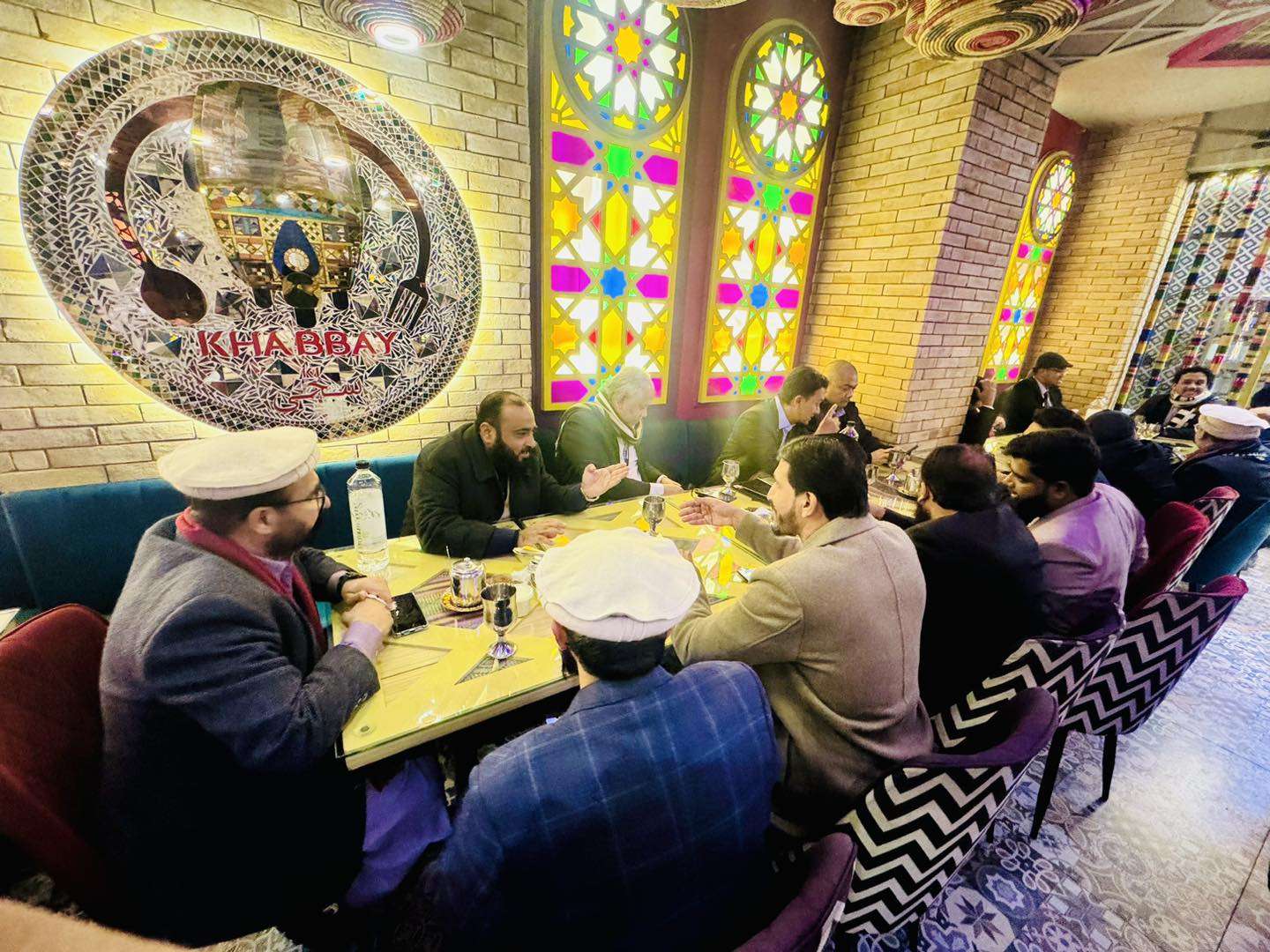
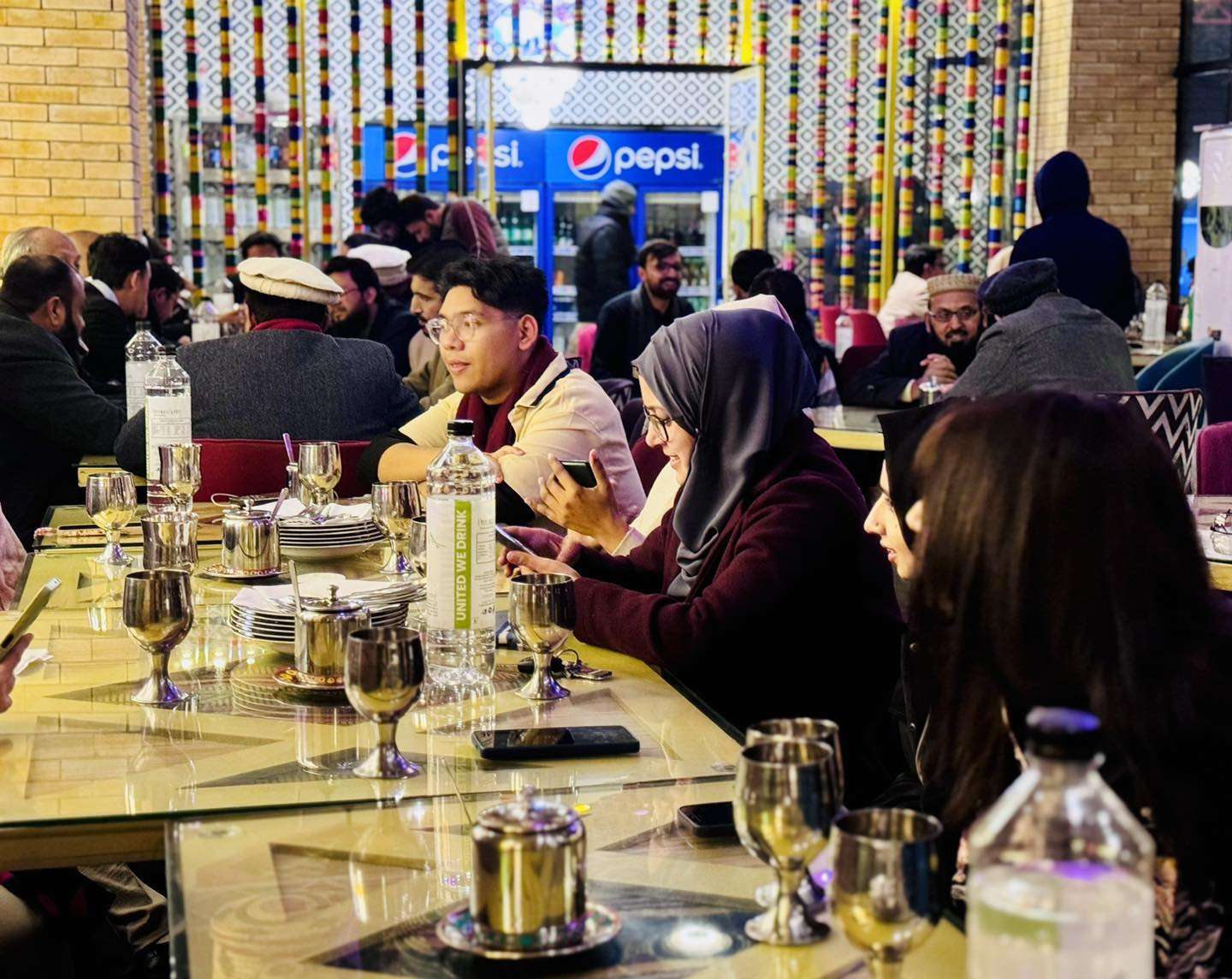
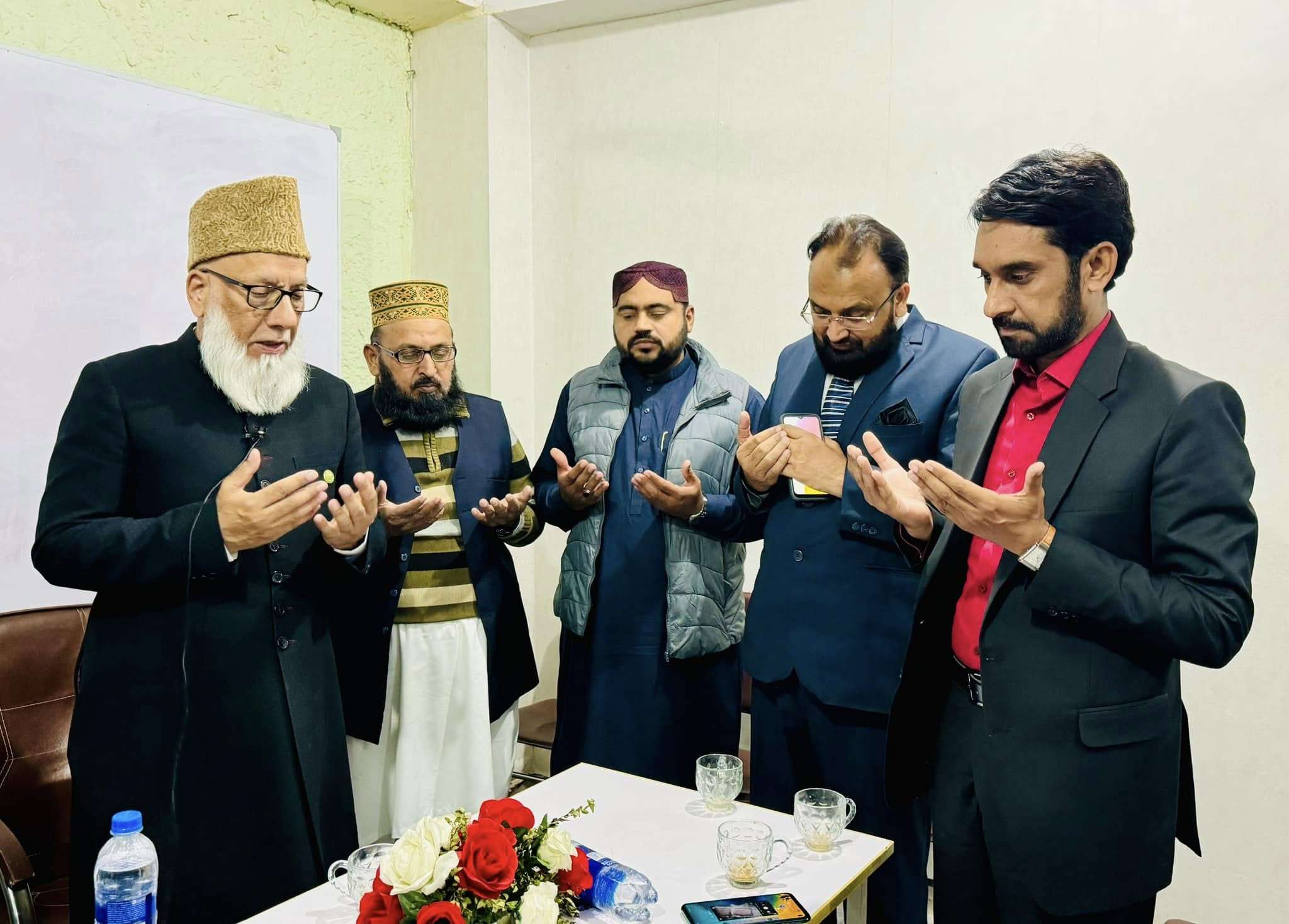
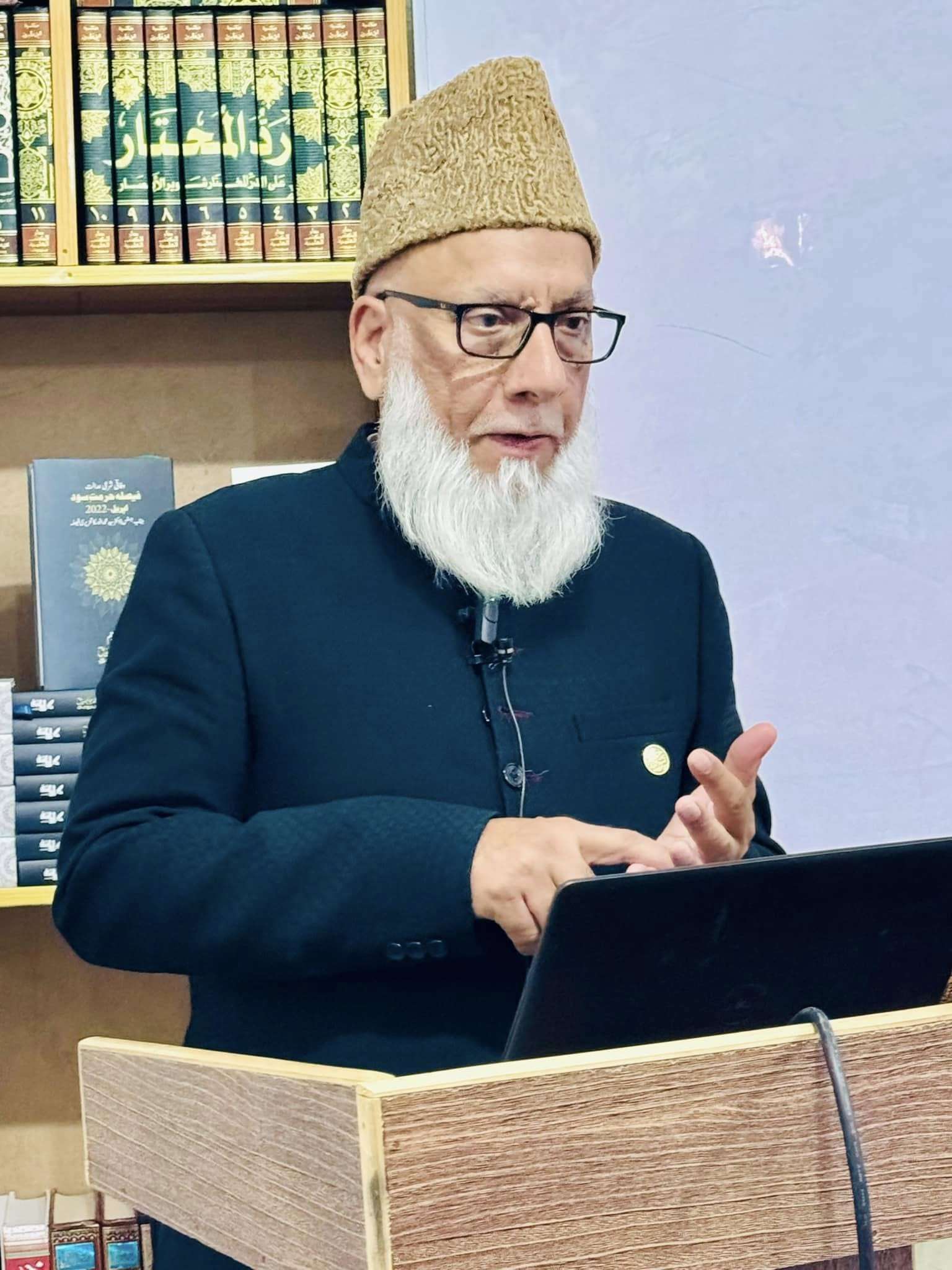
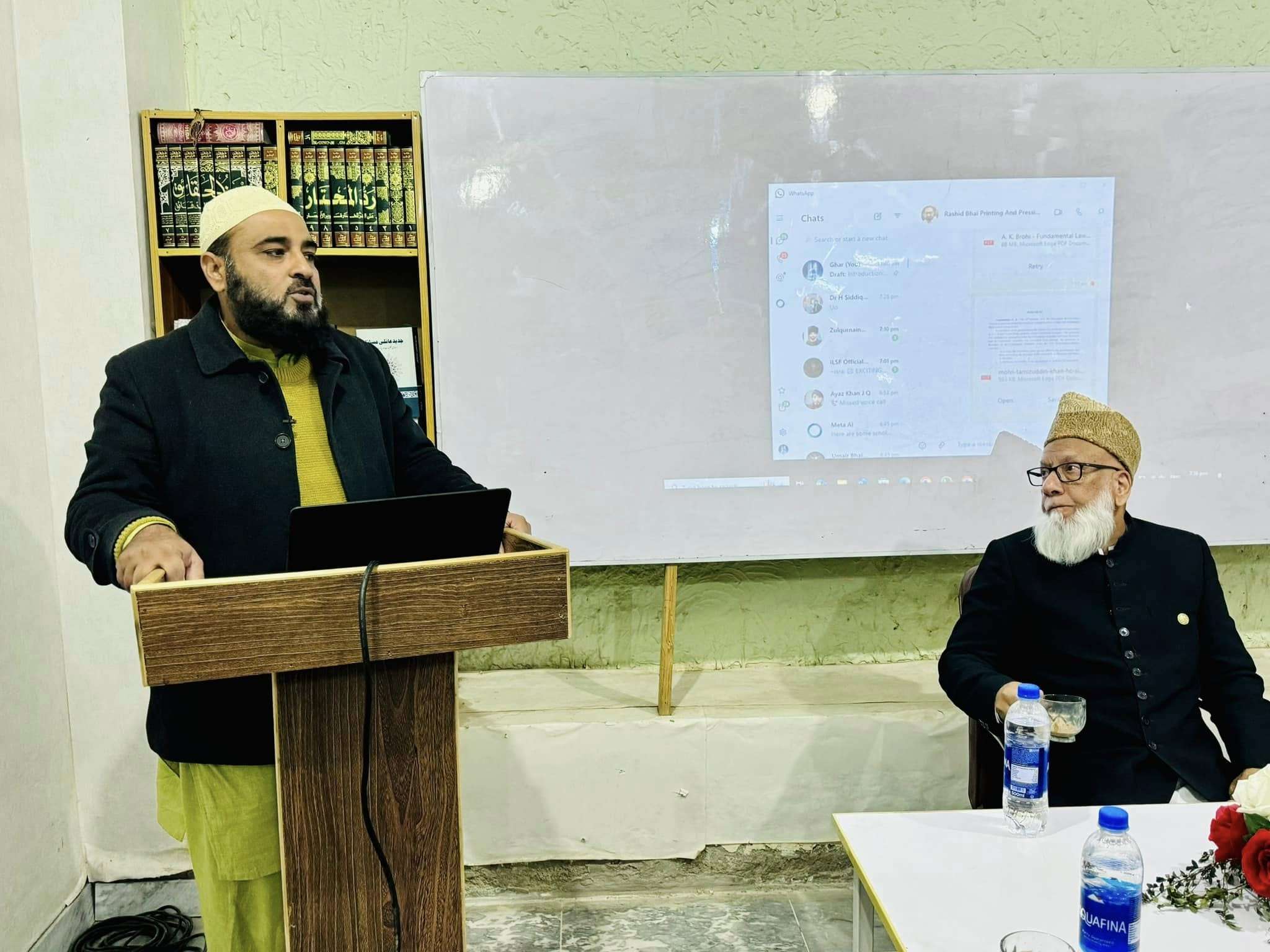
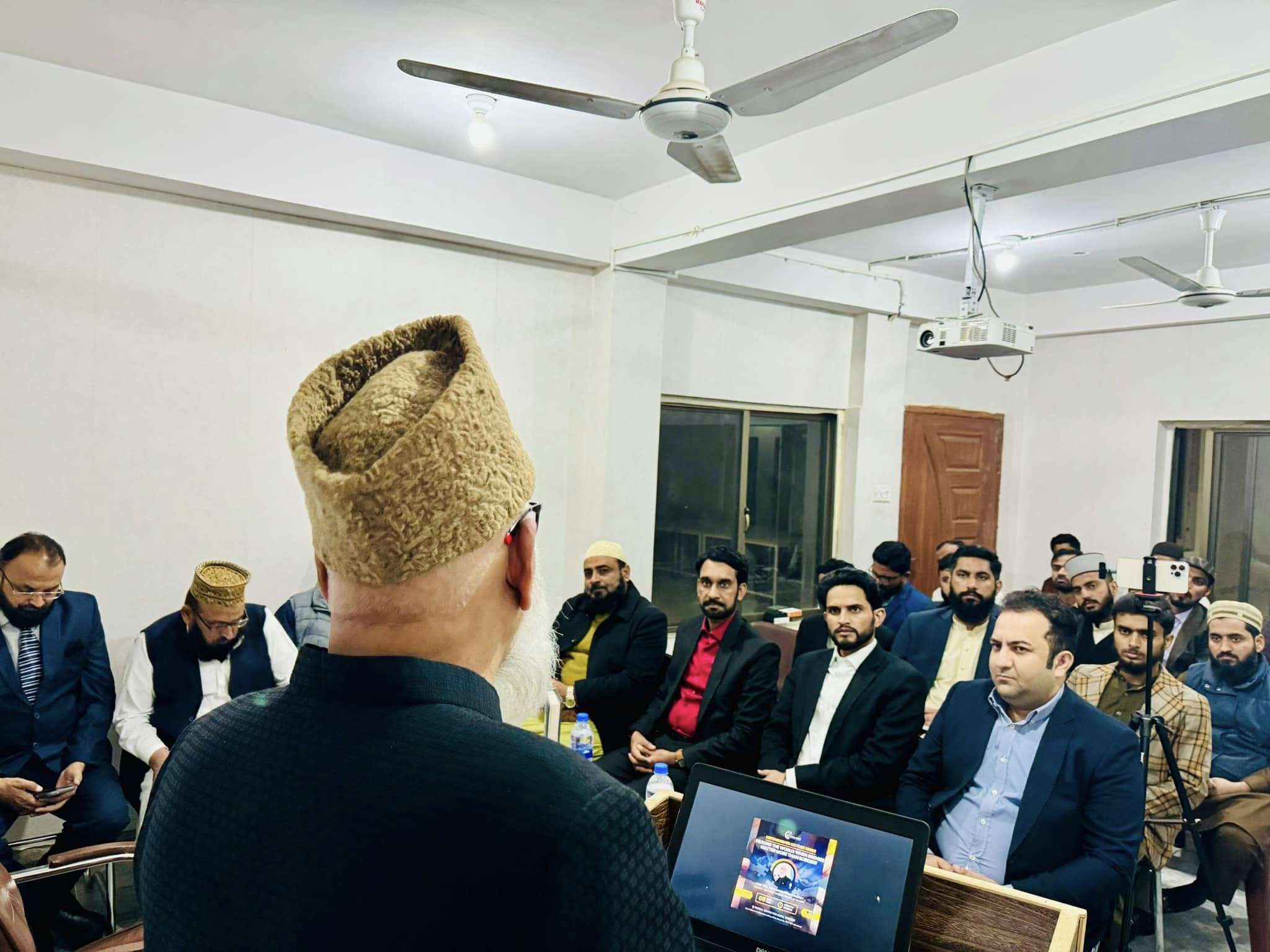
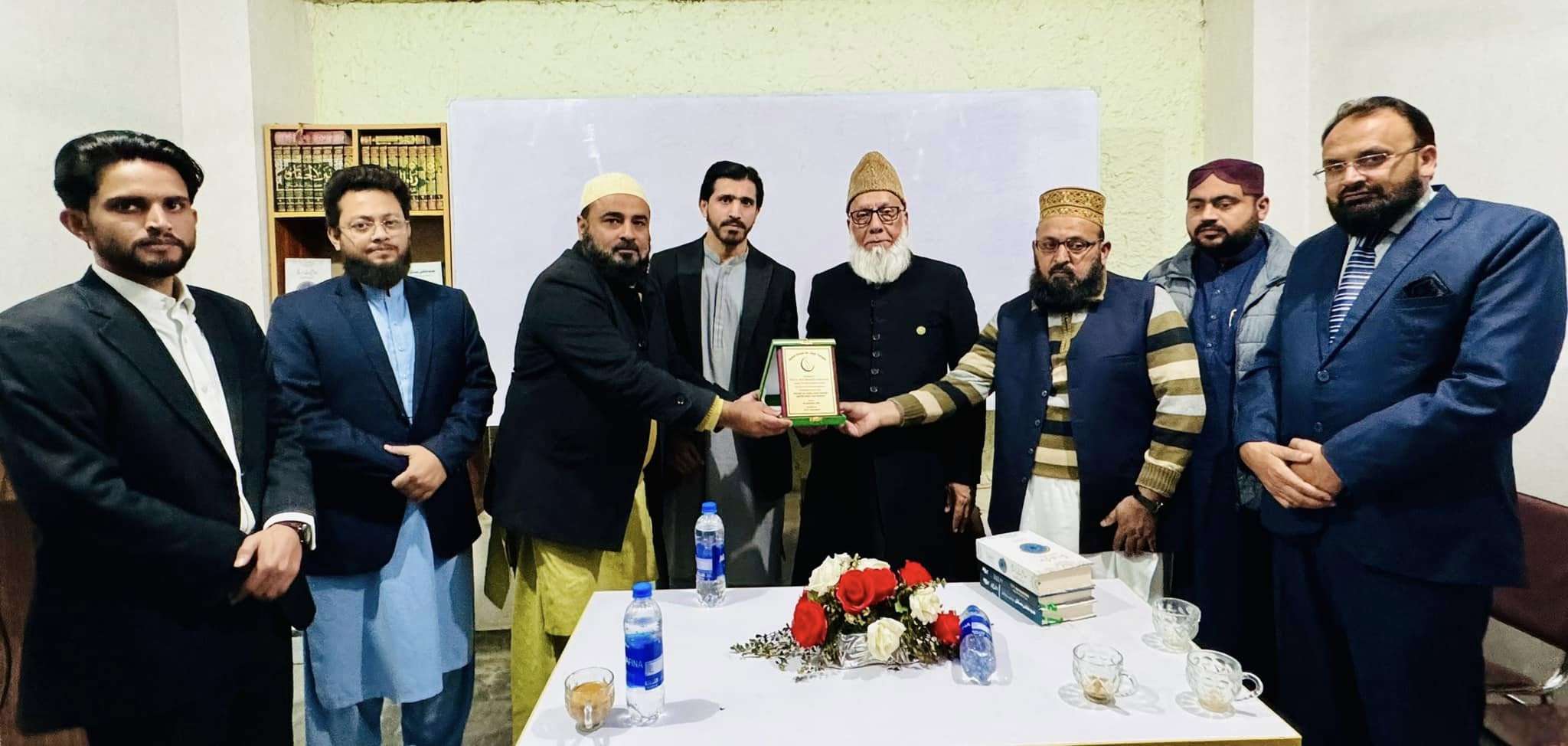
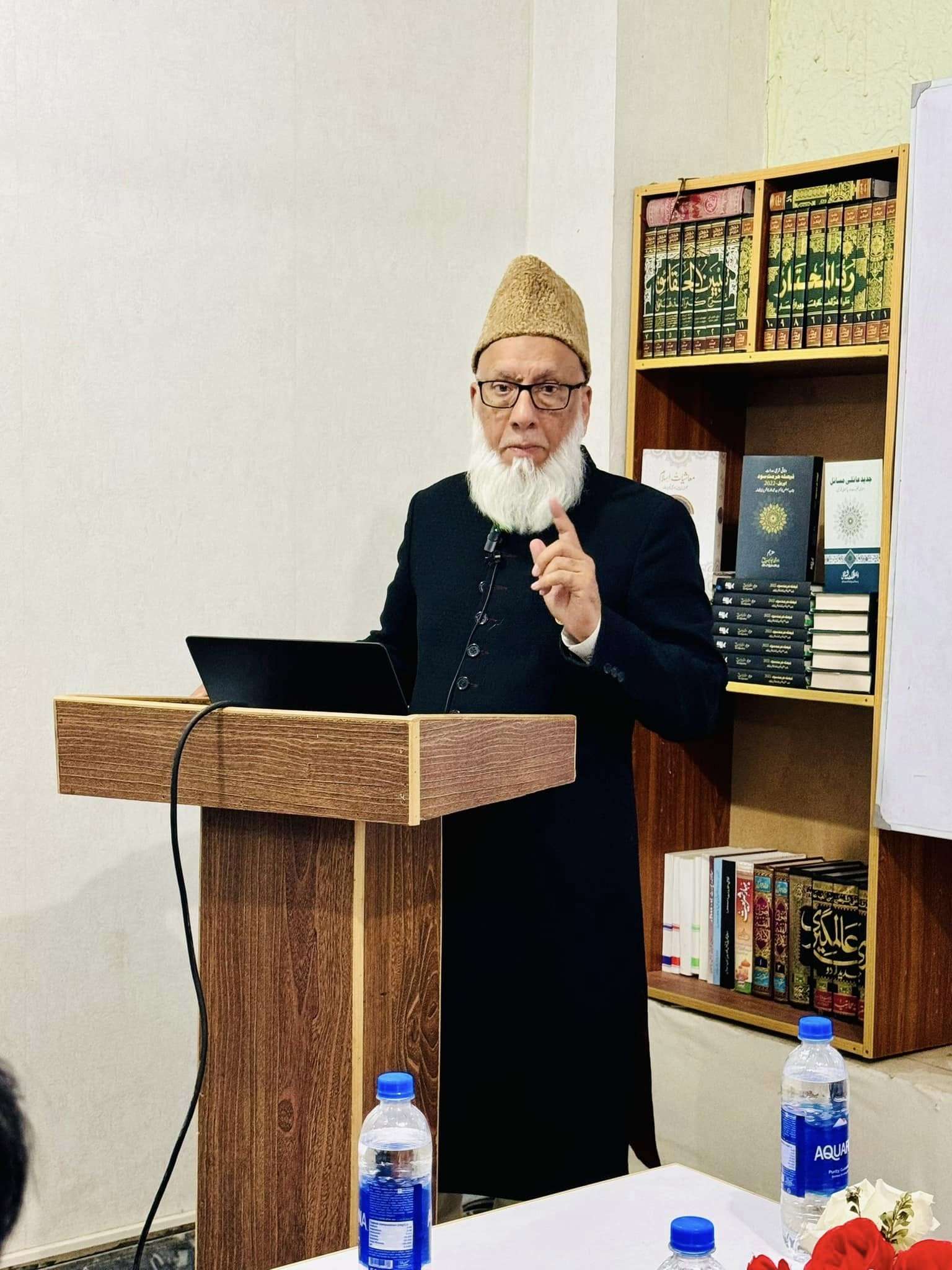
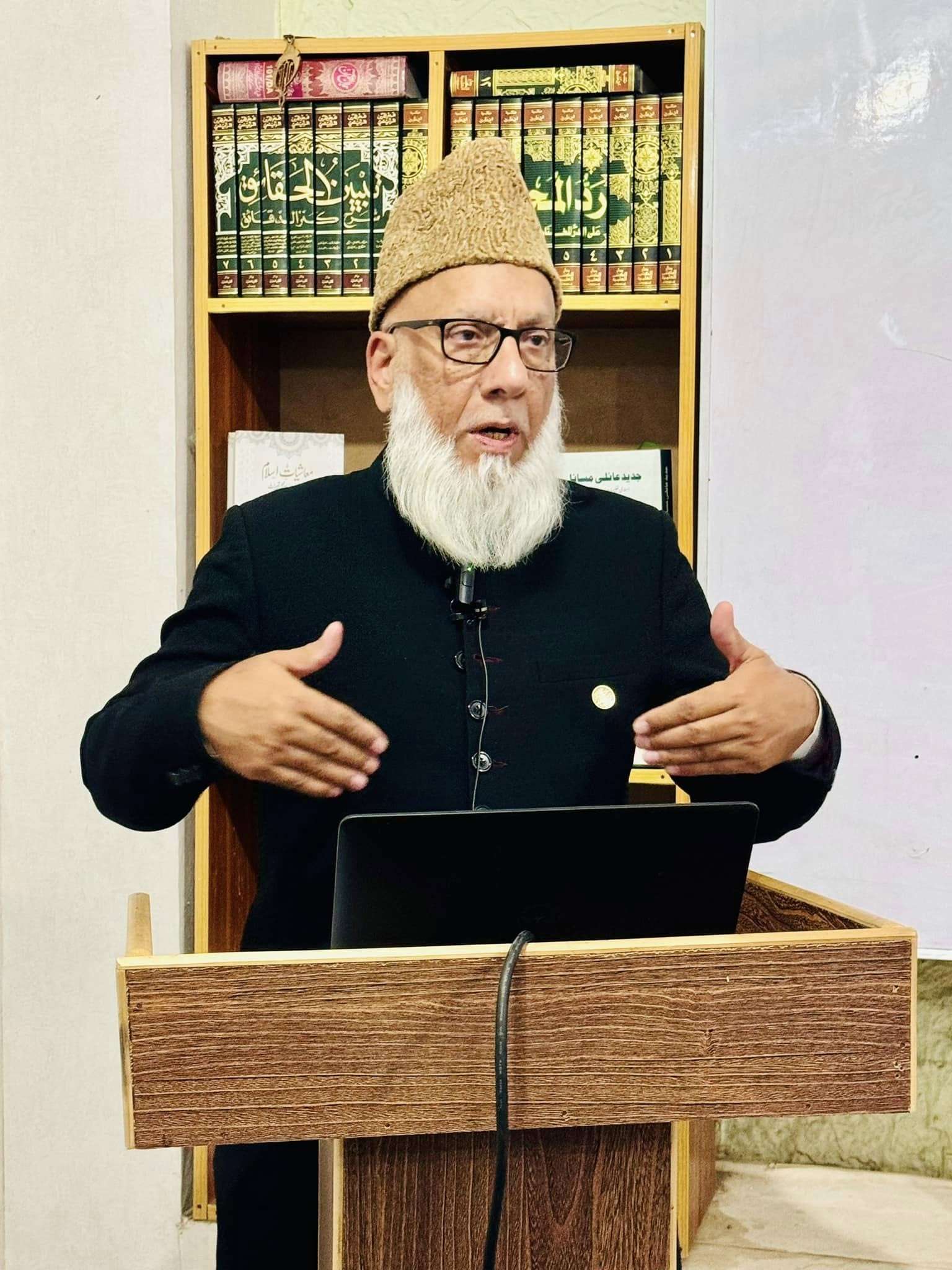
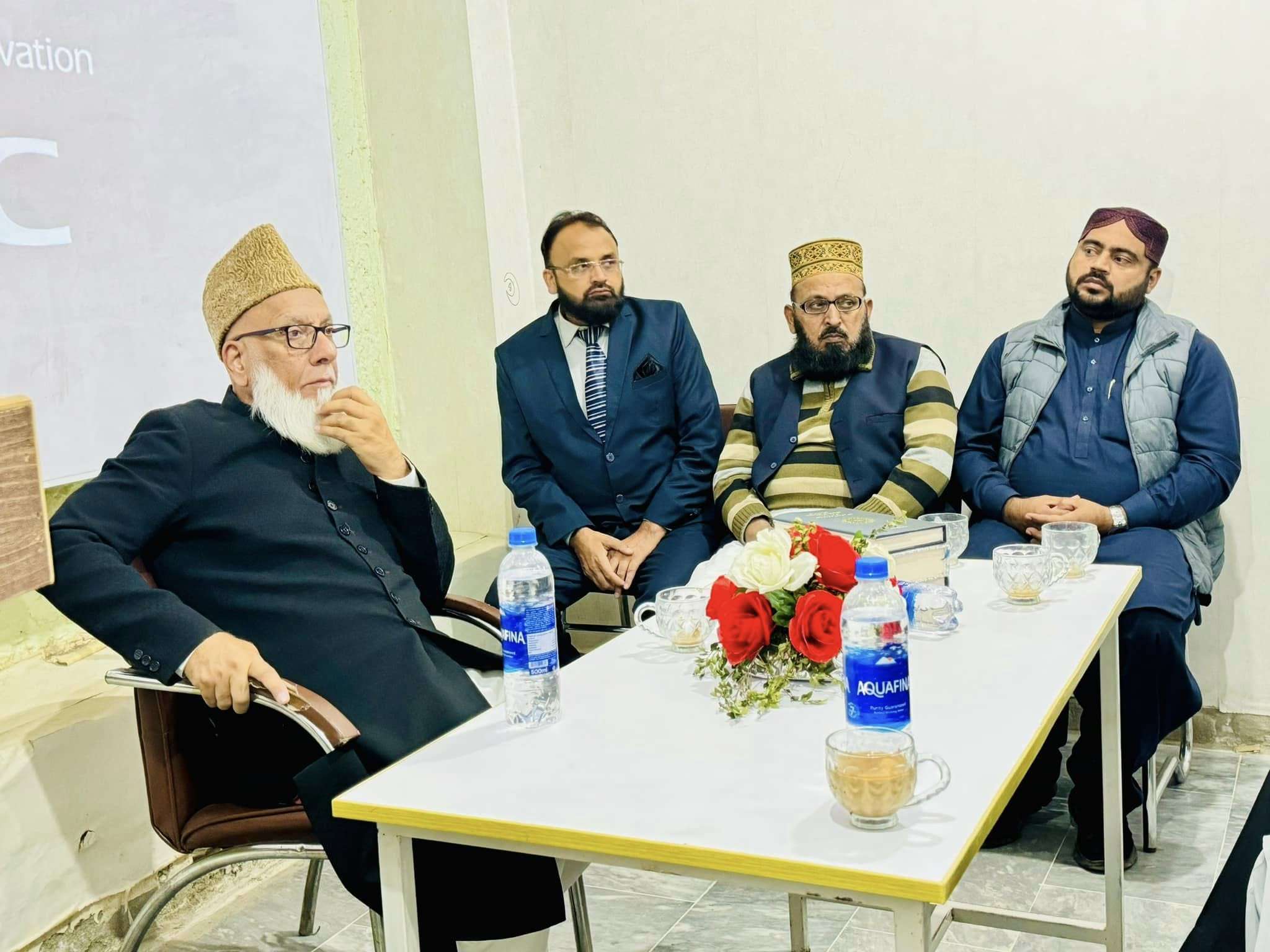
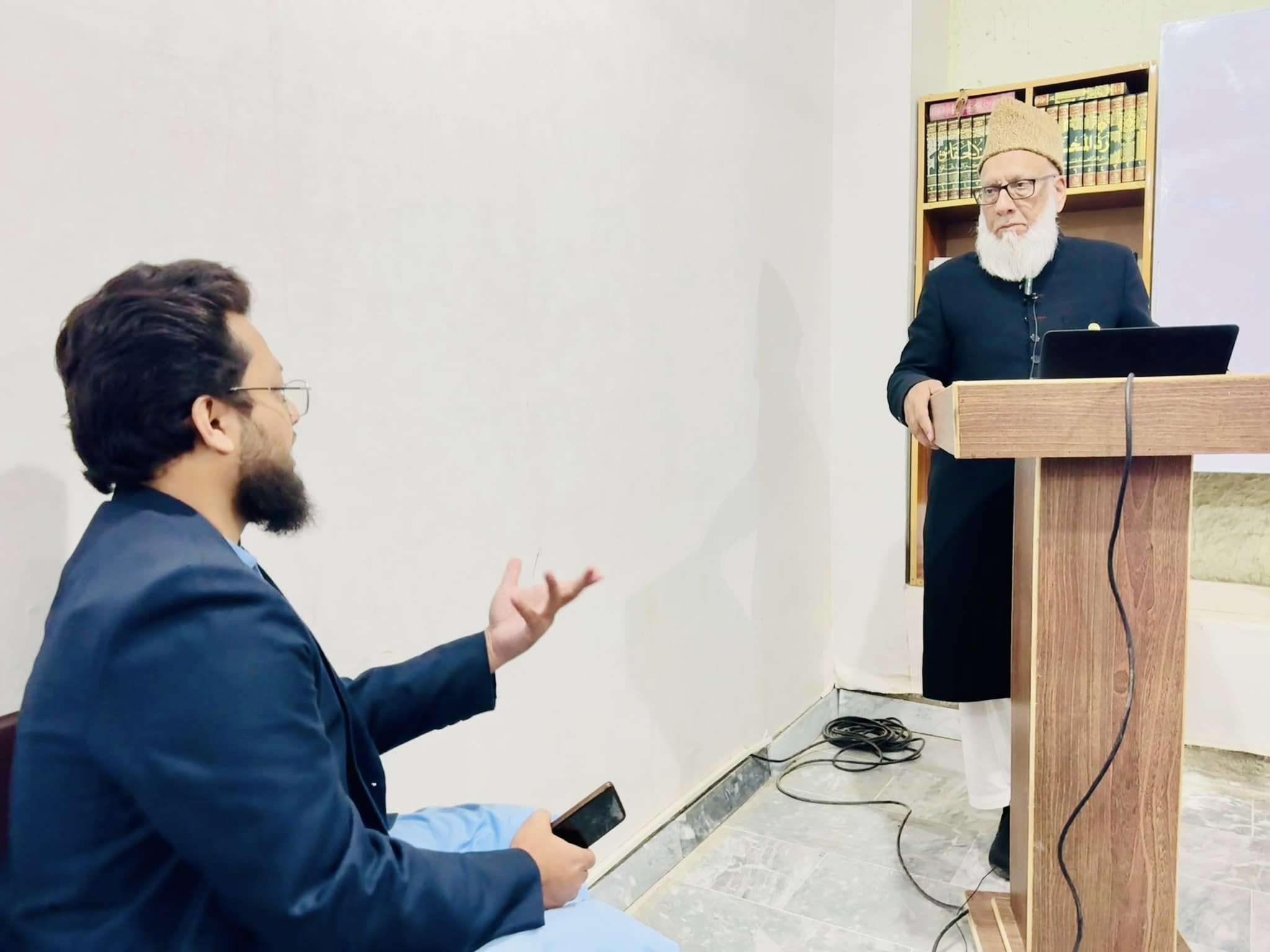
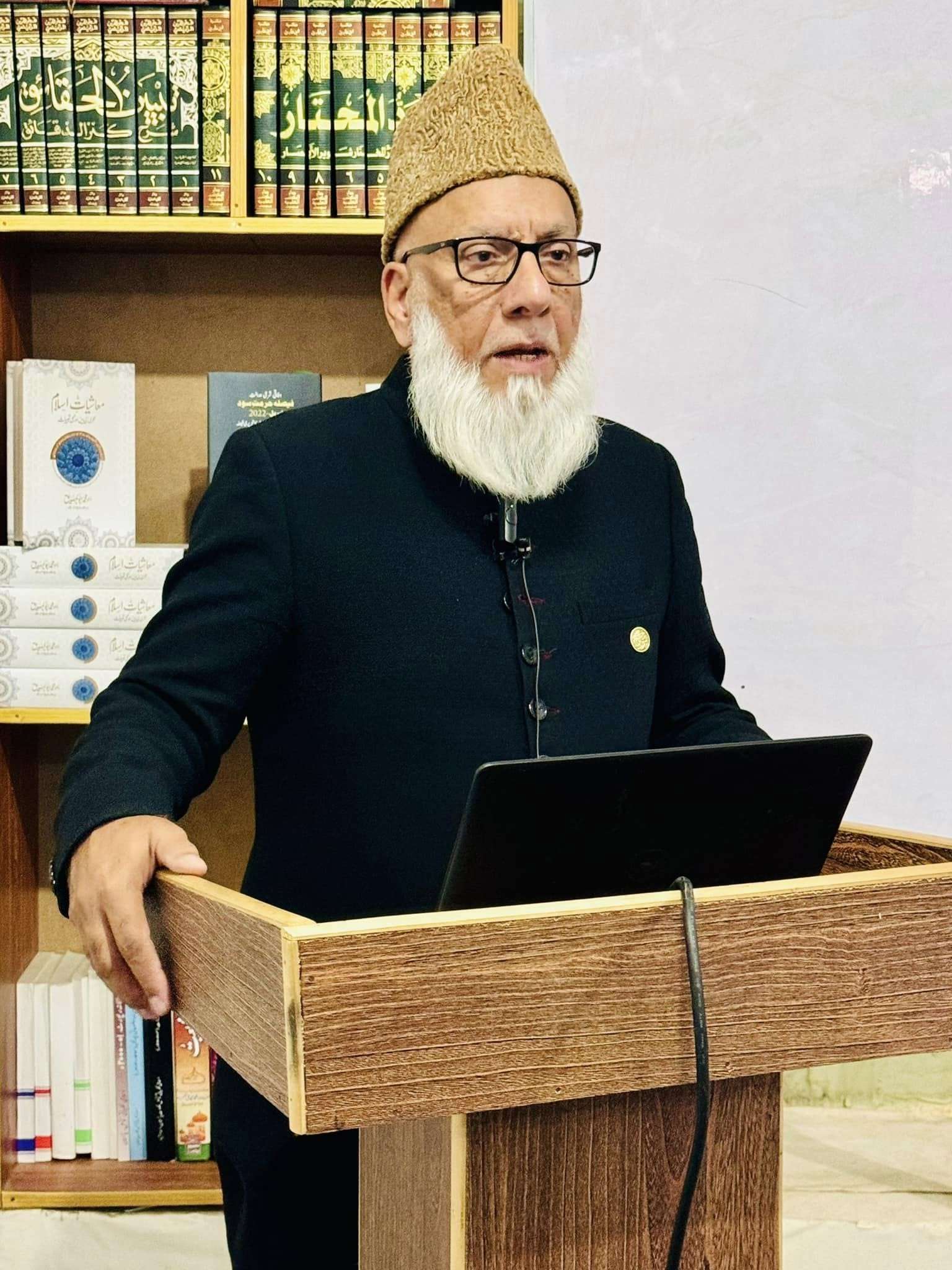
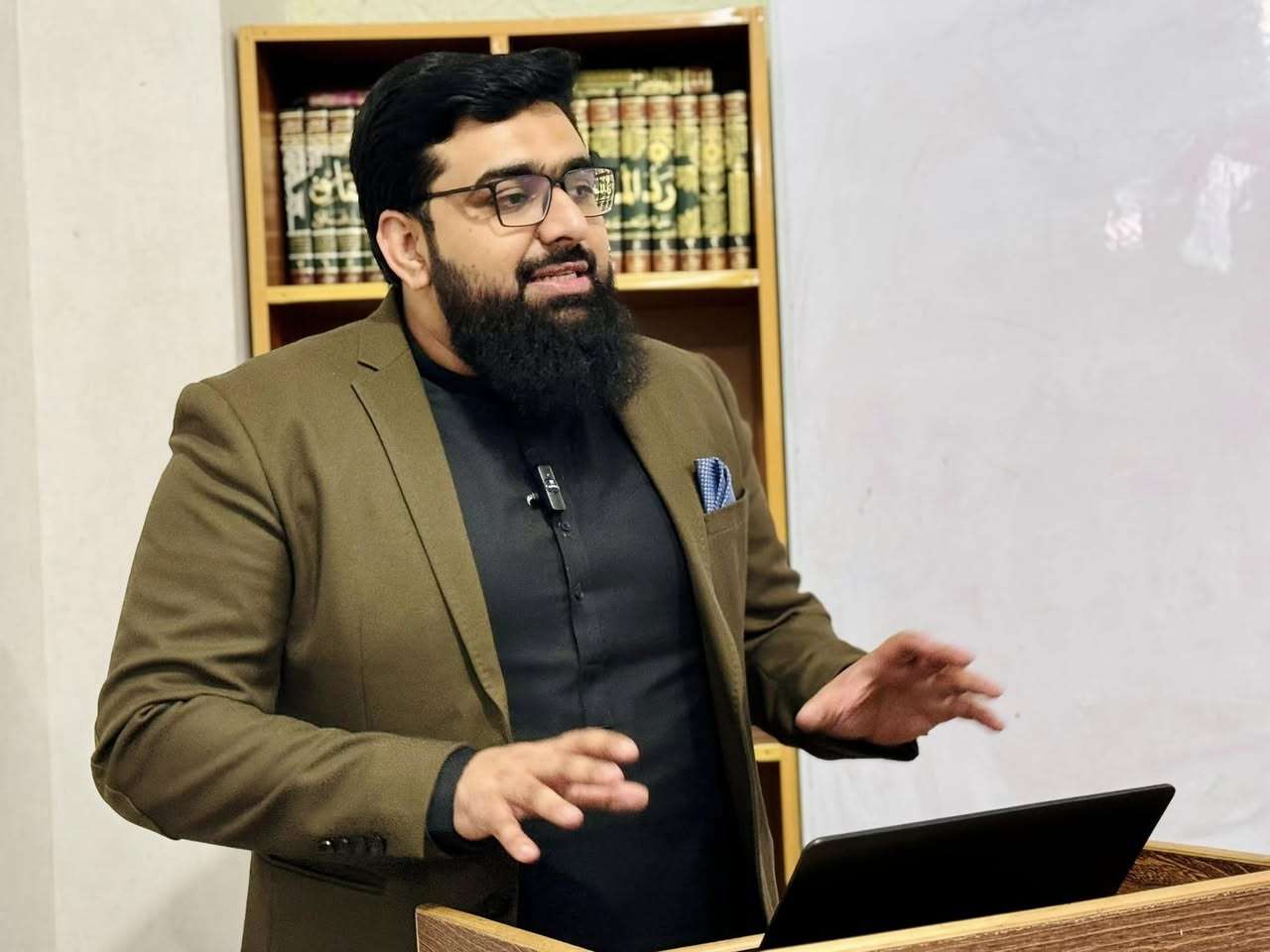
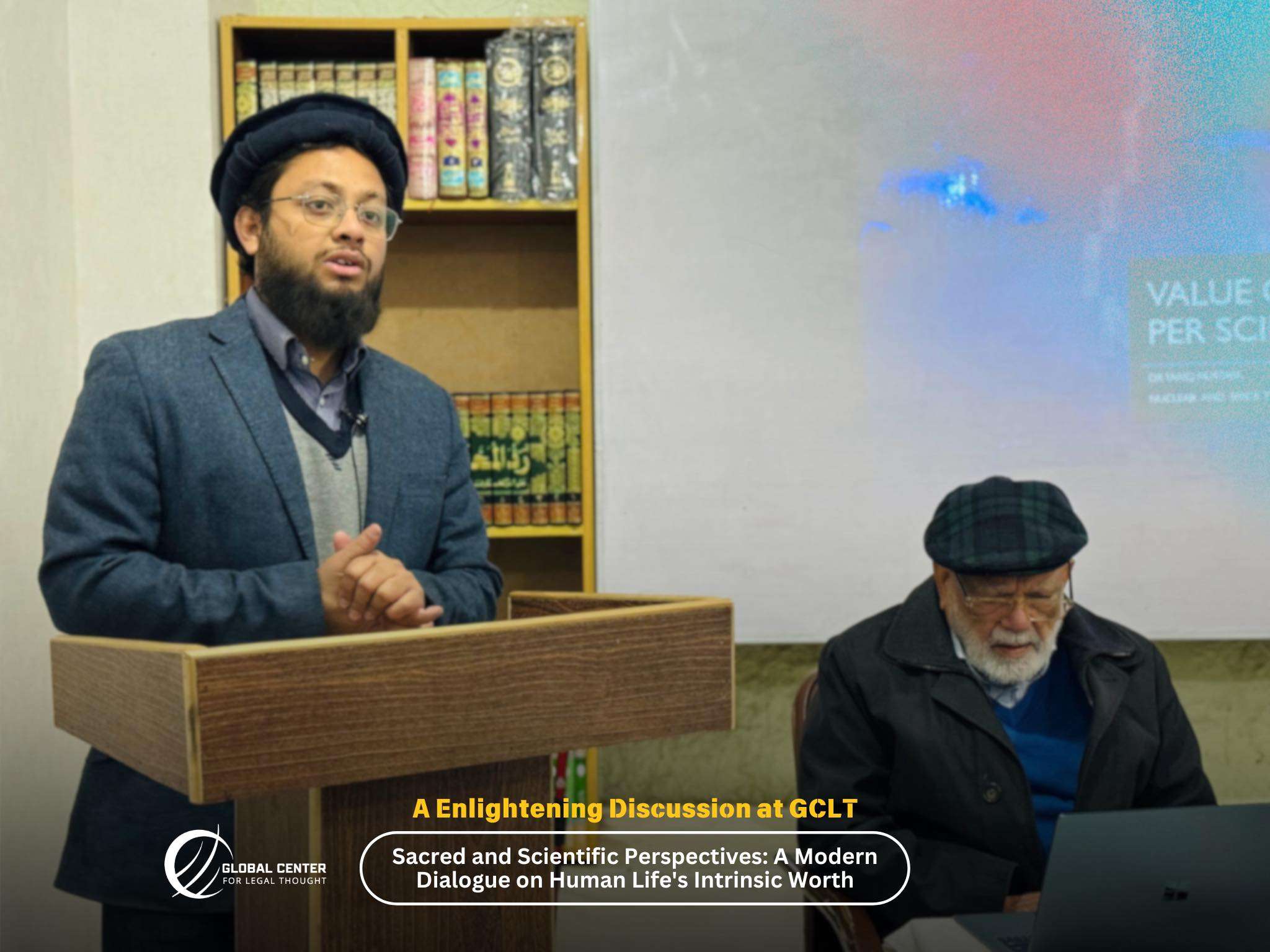
We were honored to host 𝐃𝐫. 𝐓𝐚𝐫𝐢𝐪 𝐌𝐮𝐬𝐭𝐚𝐟𝐚, a visionary thinker and futurist, at the 𝐆𝐥𝐨𝐛𝐚𝐥 𝐂𝐞𝐧𝐭𝐞𝐫 𝐟𝐨𝐫 𝐋𝐞𝐠𝐚𝐥 𝐓𝐡𝐨𝐮𝐠𝐡𝐭 (𝐆𝐂𝐋𝐓) for an inspiring session titled “𝐒𝐚𝐜𝐫𝐞𝐝 𝐚𝐧𝐝 𝐒𝐜𝐢𝐞𝐧𝐭𝐢𝐟𝐢𝐜 𝐏𝐞𝐫𝐬𝐩𝐞𝐜𝐭𝐢𝐯𝐞𝐬: 𝐀 𝐌𝐨𝐝𝐞𝐫𝐧 𝐃𝐢𝐚𝐥𝐨𝐠𝐮𝐞 𝐨𝐧 𝐇𝐮𝐦𝐚𝐧 𝐋𝐢𝐟𝐞’𝐬 𝐈𝐧𝐭𝐫𝐢𝐧𝐬𝐢𝐜 𝐖𝐨𝐫𝐭𝐡.”
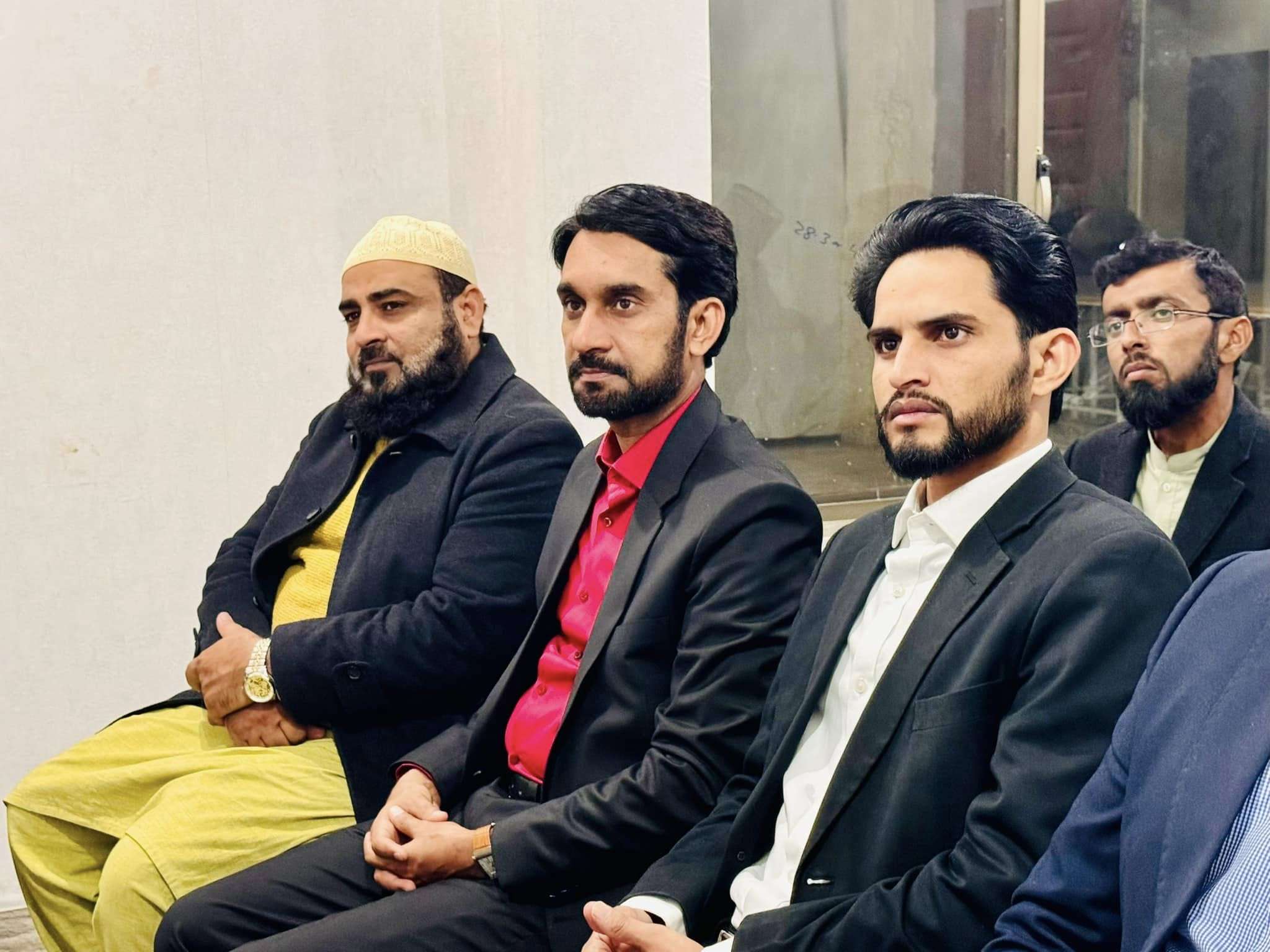
The evening was filled with 𝐞𝐧𝐥𝐢𝐠𝐡𝐭𝐞𝐧𝐢𝐧𝐠 𝐝𝐢𝐬𝐜𝐮𝐬𝐬𝐢𝐨𝐧𝐬 on how sacred wisdom and scientific understanding intersect to redefine the 𝐭𝐫𝐮𝐞 𝐞𝐬𝐬𝐞𝐧𝐜𝐞 𝐨𝐟 𝐡𝐮𝐦𝐚𝐧 𝐥𝐢𝐟𝐞. Thought-provoking, engaging, and transformative—this session left us with 𝐧𝐞𝐰 𝐩𝐞𝐫𝐬𝐩𝐞𝐜𝐭𝐢𝐯𝐞𝐬 𝐨𝐧 𝐭𝐡𝐞 𝐢𝐧𝐭𝐫𝐢𝐧𝐬𝐢𝐜 𝐯𝐚𝐥𝐮𝐞 𝐨𝐟 𝐡𝐮𝐦𝐚𝐧𝐢𝐭𝐲.
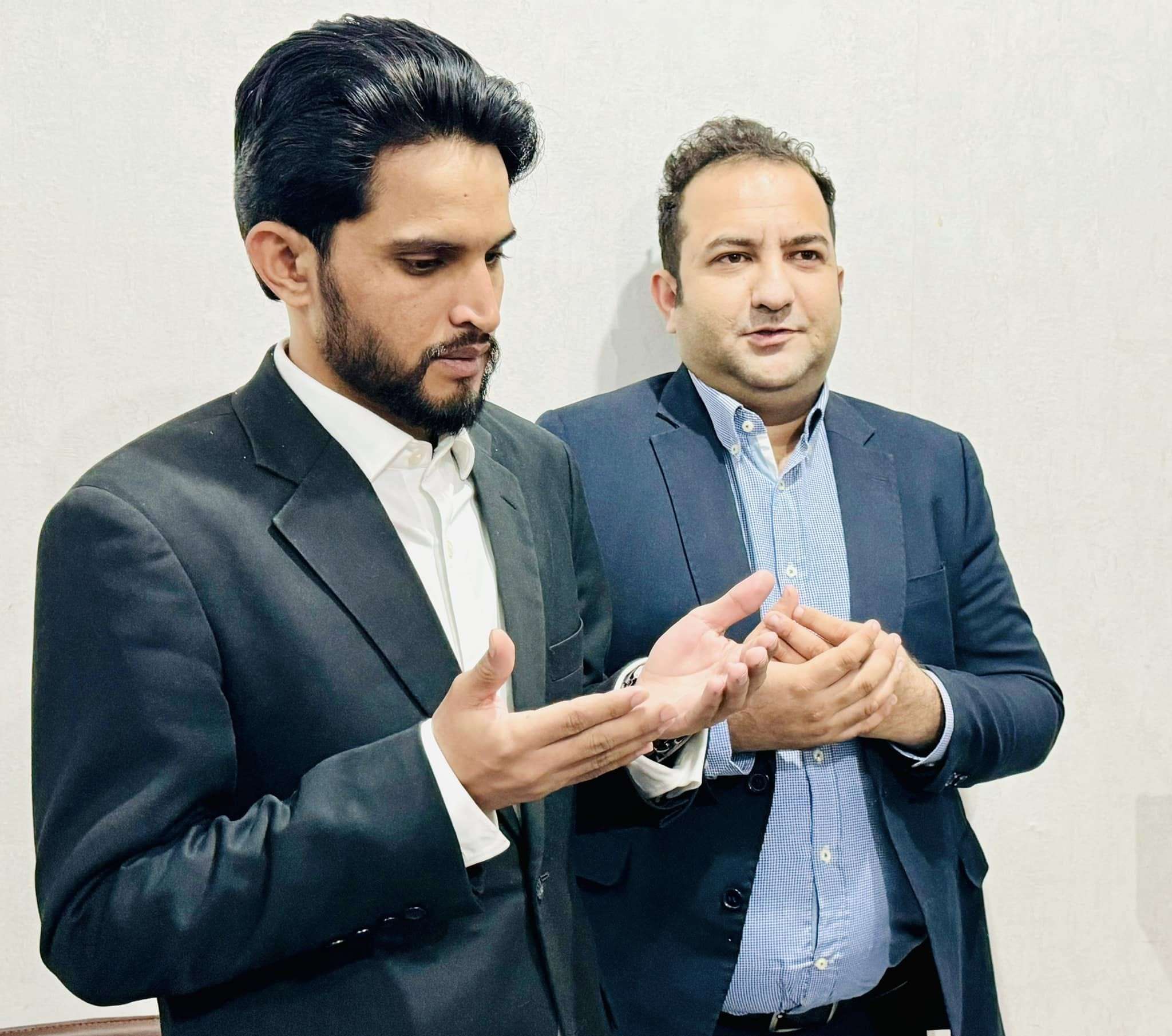
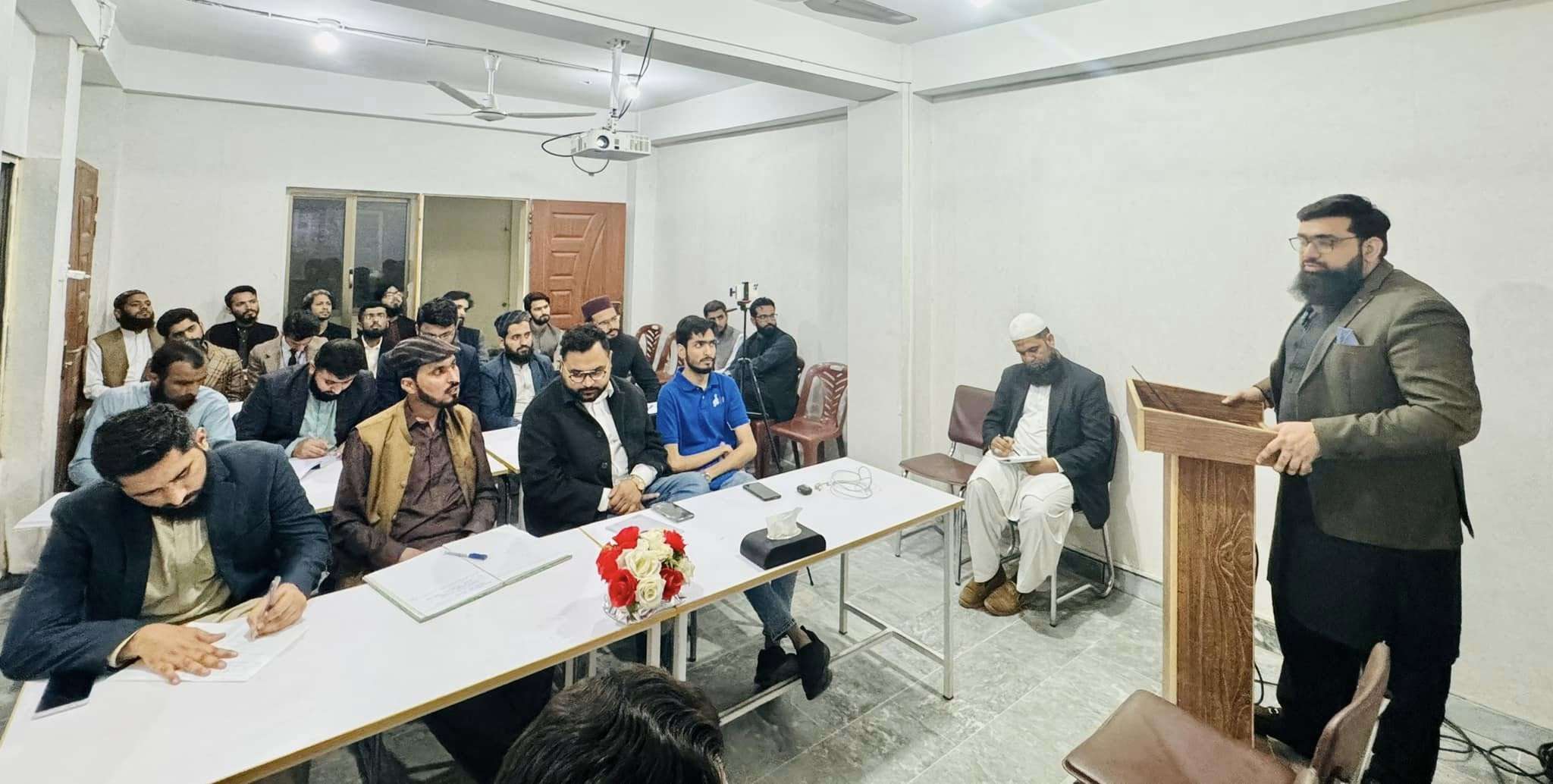
📸 𝐇𝐞𝐫𝐞’𝐬 𝐚 𝐠𝐥𝐢𝐦𝐩𝐬𝐞 𝐨𝐟 𝐭𝐡𝐞 𝐦𝐞𝐦𝐨𝐫𝐚𝐛𝐥𝐞 𝐦𝐨𝐦𝐞𝐧𝐭𝐬 𝐜𝐚𝐩𝐭𝐮𝐫𝐞𝐝 𝐝𝐮𝐫𝐢𝐧𝐠 𝐭𝐡𝐞 𝐞𝐯𝐞𝐧𝐭.
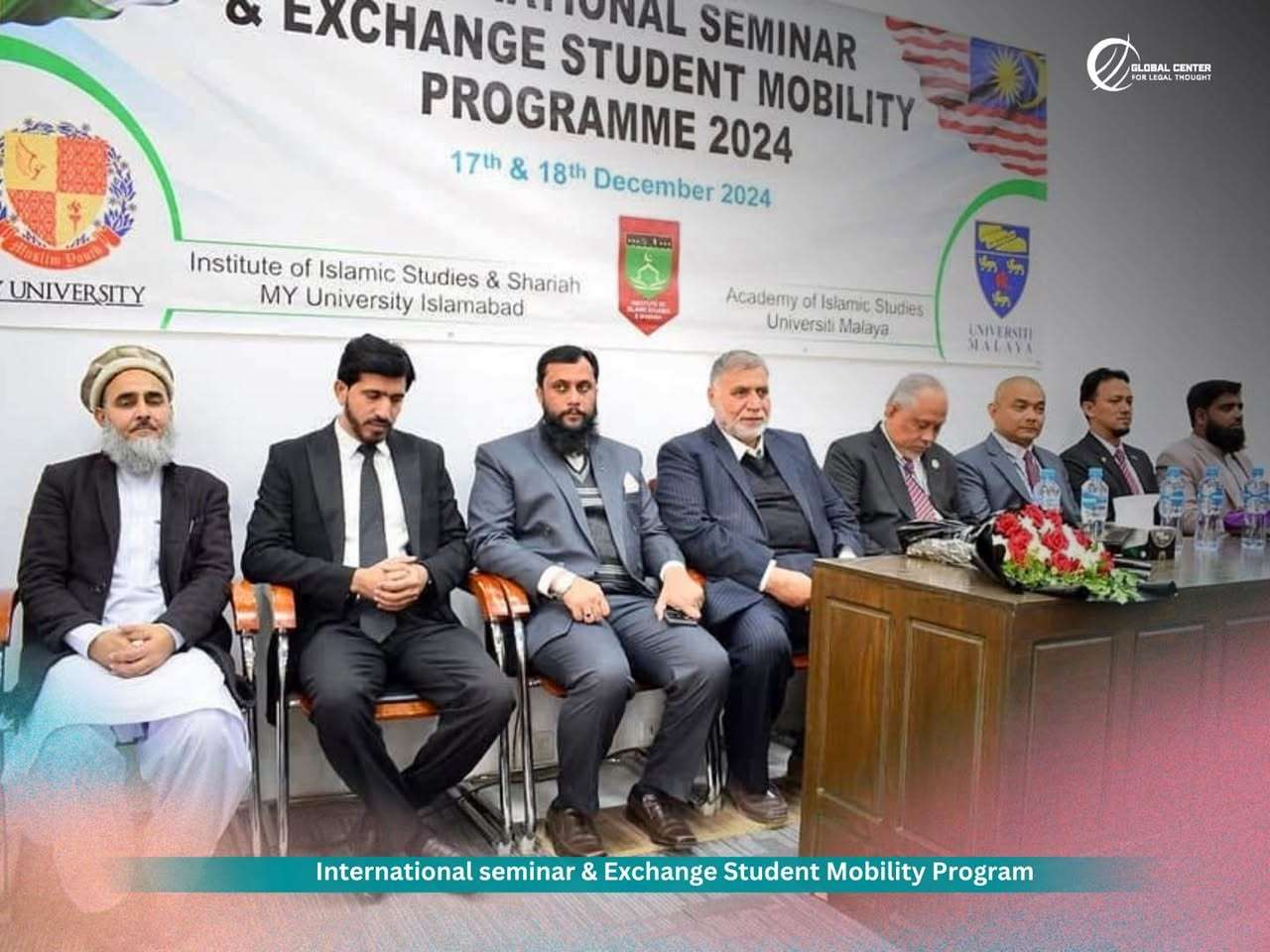
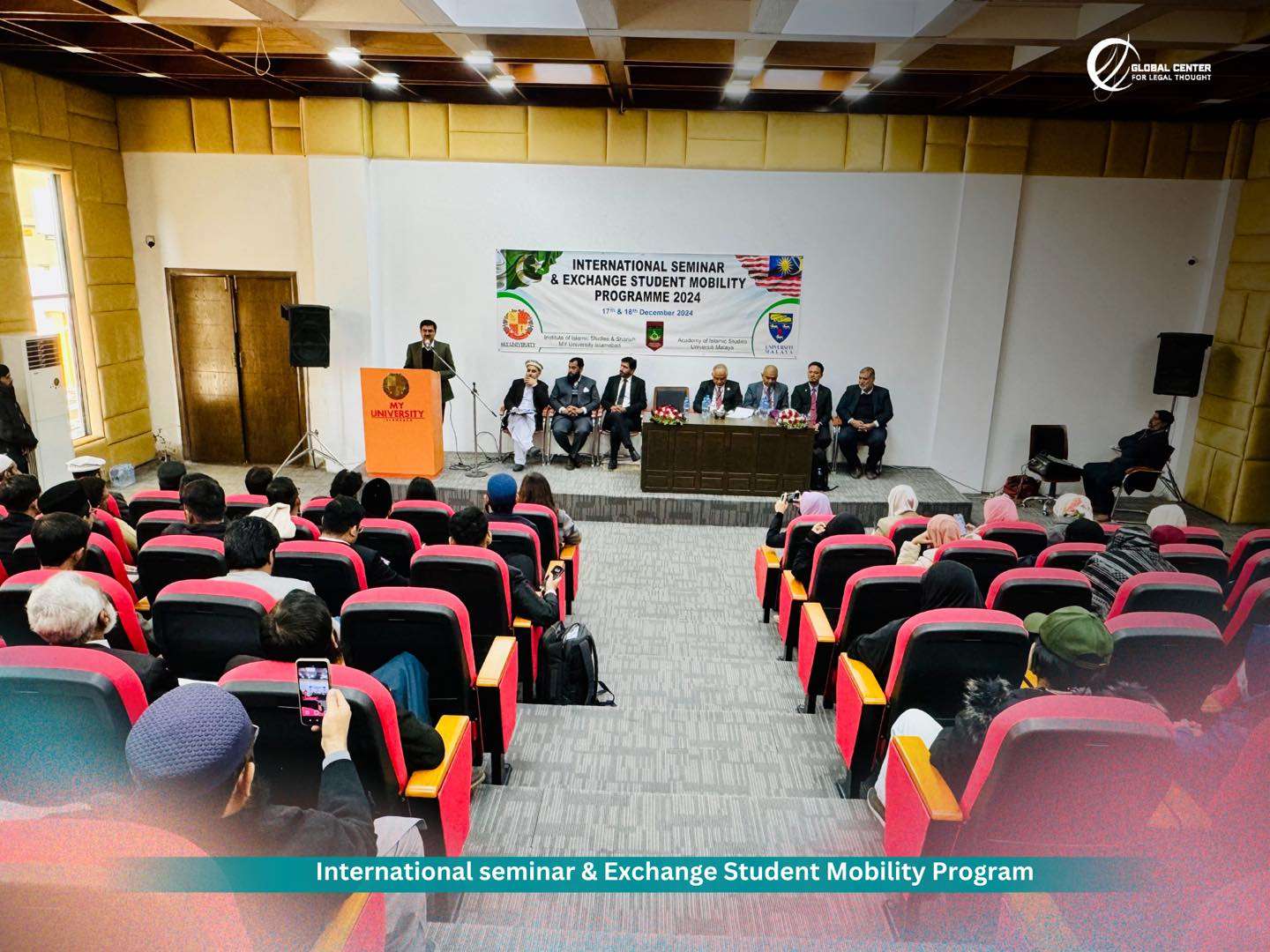
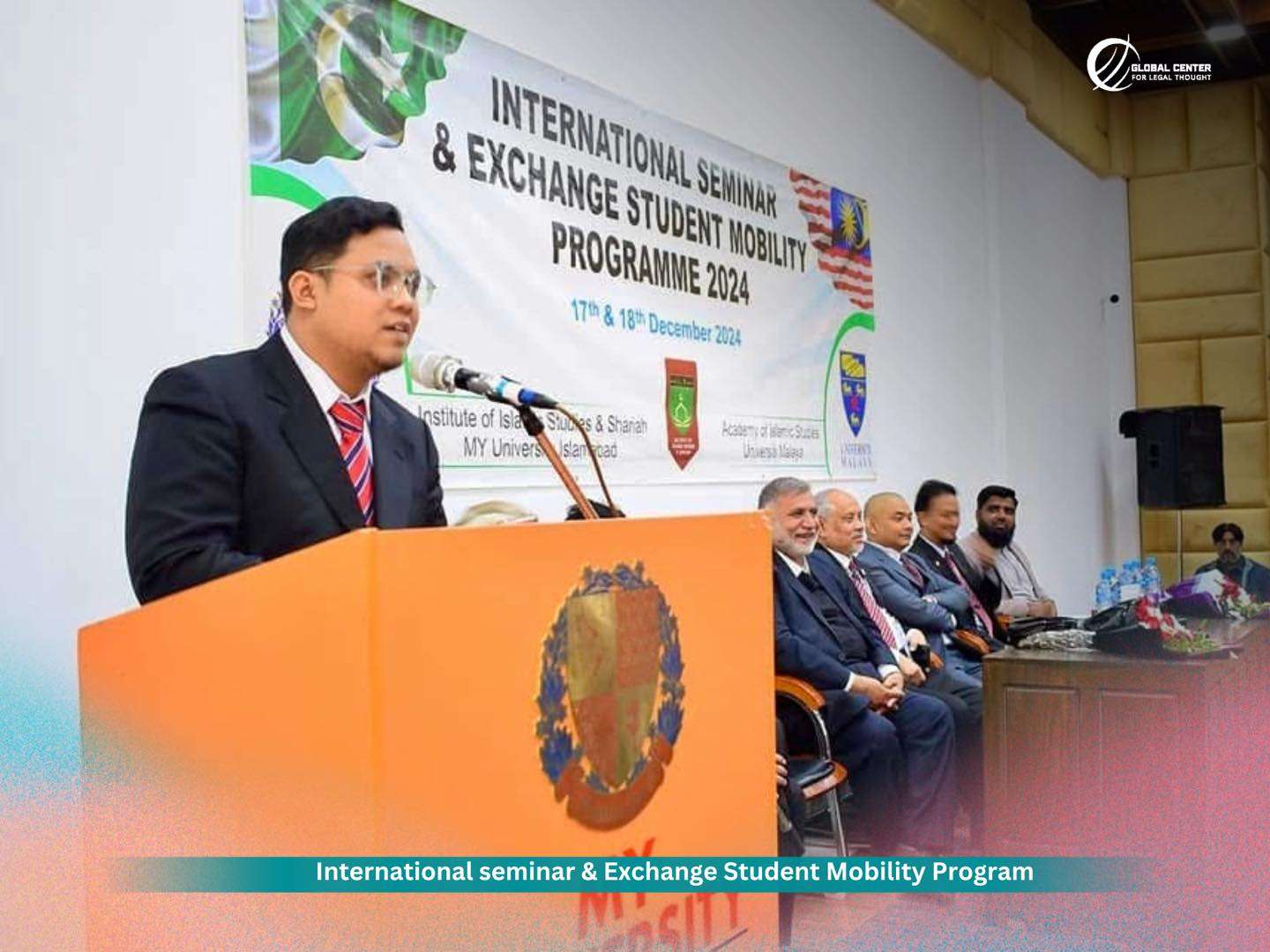
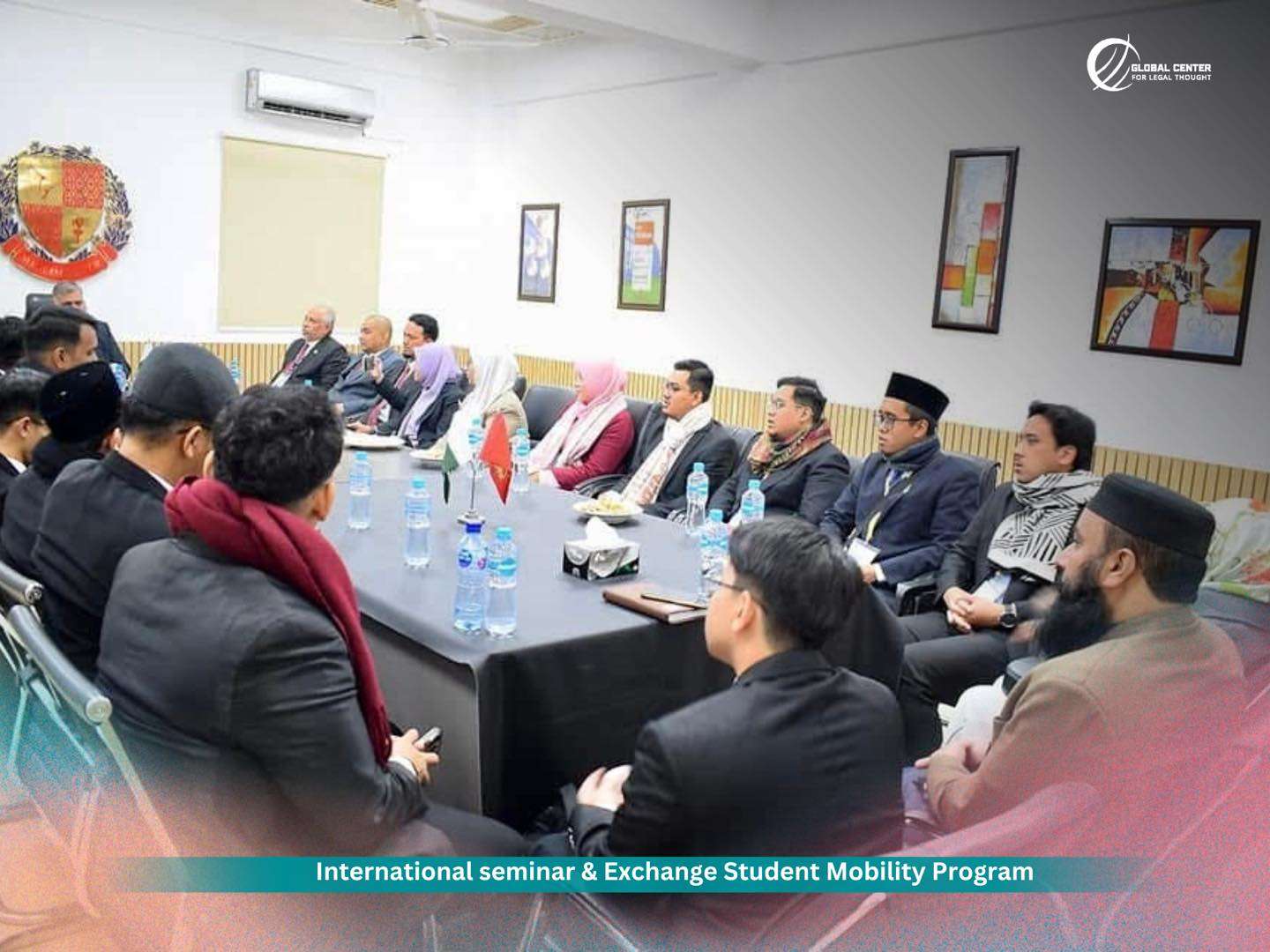
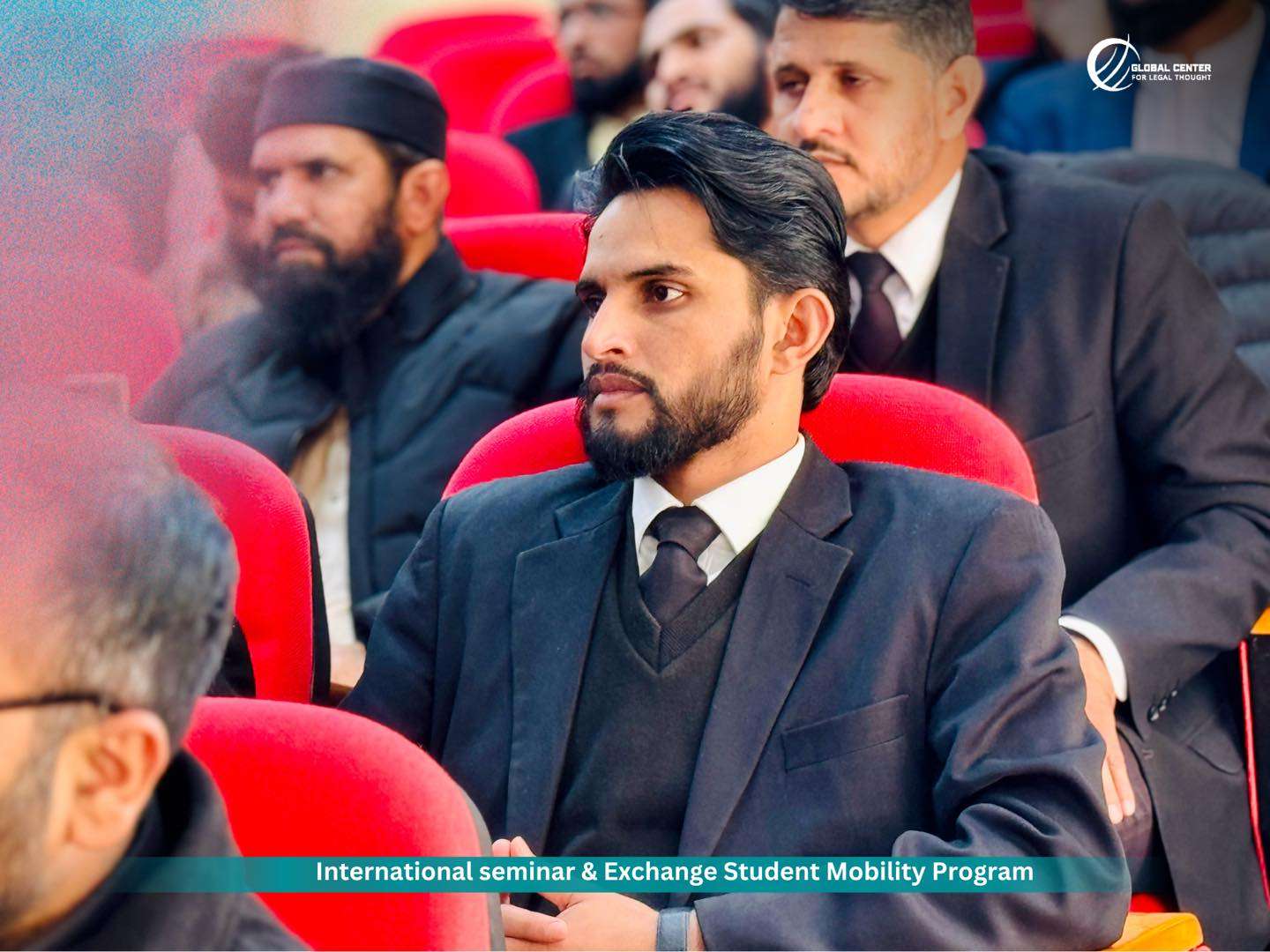
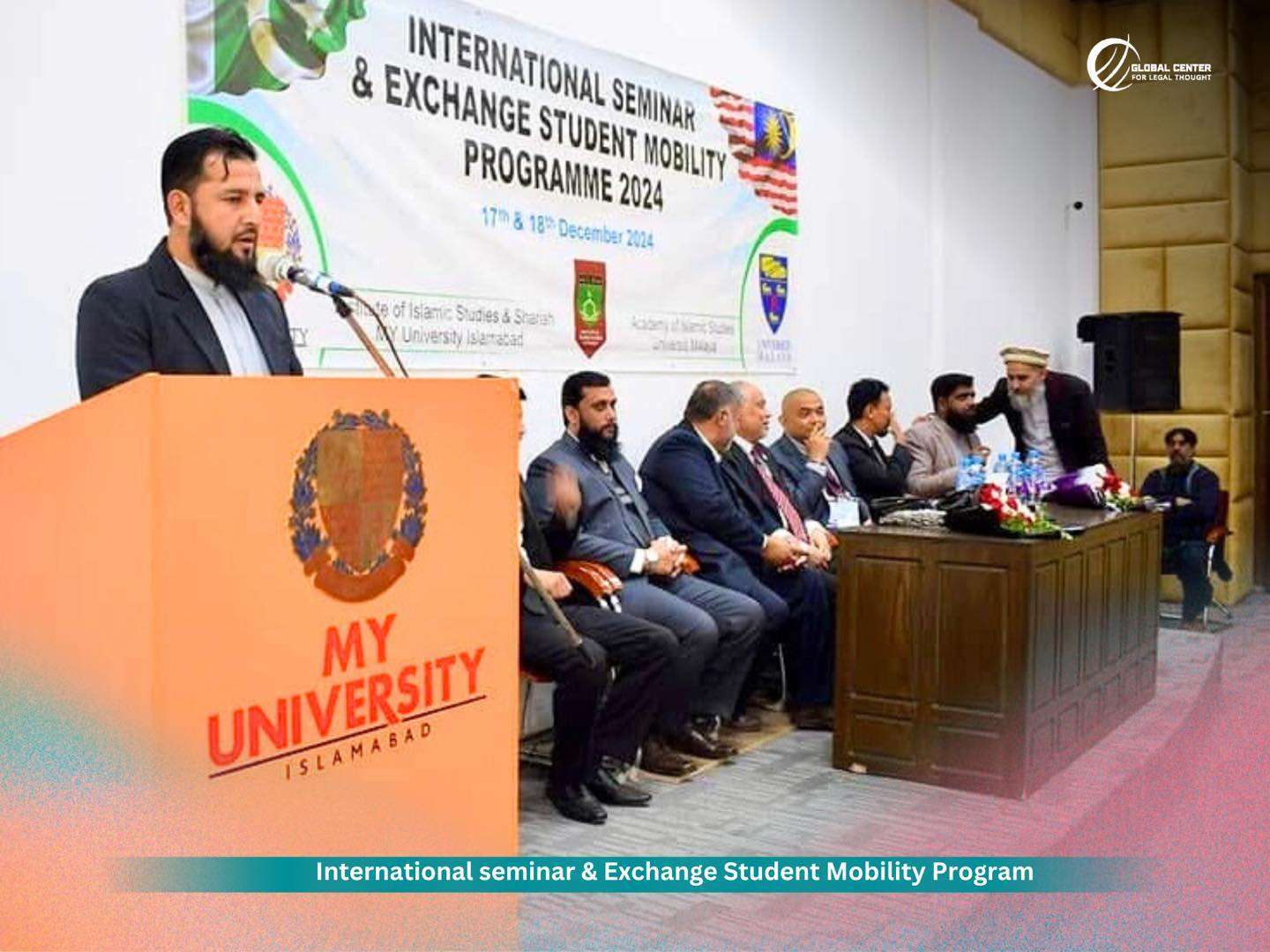
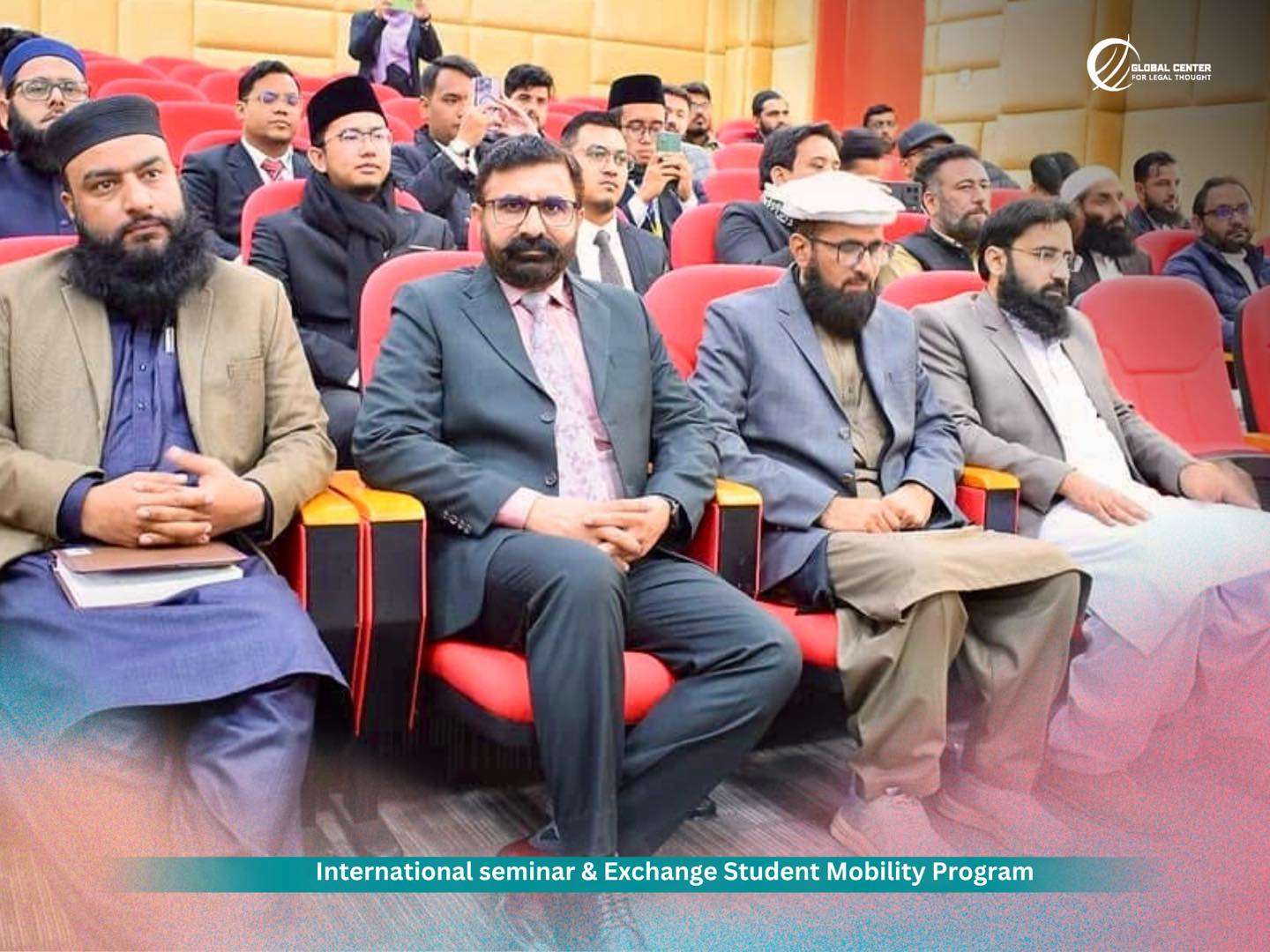
𝐈𝐍𝐓𝐄𝐑𝐍𝐀𝐓𝐈𝐎𝐍𝐀𝐋 𝐒𝐄𝐌𝐈𝐍𝐀𝐑 𝐀𝐍𝐃 𝐄𝐗𝐂𝐇𝐀𝐍𝐆𝐄 𝐒𝐓𝐔𝐃𝐄𝐍𝐓 𝐌𝐎𝐁𝐈𝐋𝐈𝐓𝐘 𝐏𝐑𝐎𝐆𝐑𝐀𝐌𝐌𝐄 𝟐𝟎𝟐𝟒 (𝐈𝐒𝐈𝐏𝐀𝐌 𝟐𝟎𝟐𝟒)

𝐈𝐒𝐈𝐏𝐀𝐌 𝟐𝟎𝟐𝟒, a prestigious collaboration between the 𝐀𝐜𝐚𝐝𝐞𝐦𝐲 𝐨𝐟 𝐈𝐬𝐥𝐚𝐦𝐢𝐜 𝐒𝐭𝐮𝐝𝐢𝐞𝐬, 𝐔𝐧𝐢𝐯𝐞𝐫𝐬𝐢𝐭𝐢 𝐌𝐚𝐥𝐚𝐲𝐚 (𝐔𝐌) and 𝐈𝐧𝐬𝐭𝐢𝐭𝐮𝐭𝐞 𝐨𝐟 𝐈𝐬𝐥𝐚𝐦𝐢𝐜 𝐒𝐭𝐮𝐝𝐢𝐞𝐬 𝐚𝐧𝐝 𝐒𝐡𝐚𝐫𝐢𝐚, 𝐌𝐮𝐬𝐥𝐢𝐦 𝐘𝐨𝐮𝐭𝐡 𝐔𝐧𝐢𝐯𝐞𝐫𝐬𝐢𝐭𝐲 (𝐌𝐘).
𝐆𝐂𝐋𝐓 proudly plays a 𝐩𝐢𝐯𝐨𝐭𝐚𝐥 𝐫𝐨𝐥𝐞 in facilitating this 𝐥𝐚𝐧𝐝𝐦𝐚𝐫𝐤 𝐞𝐯𝐞𝐧𝐭, fostering 𝐠𝐥𝐨𝐛𝐚𝐥 𝐚𝐜𝐚𝐝𝐞𝐦𝐢𝐜 𝐝𝐢𝐚𝐥𝐨𝐠𝐮𝐞 and strengthening 𝐭𝐢𝐞𝐬 𝐛𝐞𝐭𝐰𝐞𝐞𝐧 𝐫𝐞𝐧𝐨𝐰𝐧𝐞𝐝 𝐢𝐧𝐬𝐭𝐢𝐭𝐮𝐭𝐢𝐨𝐧𝐬.
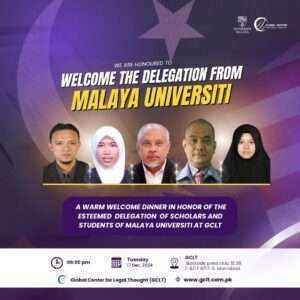
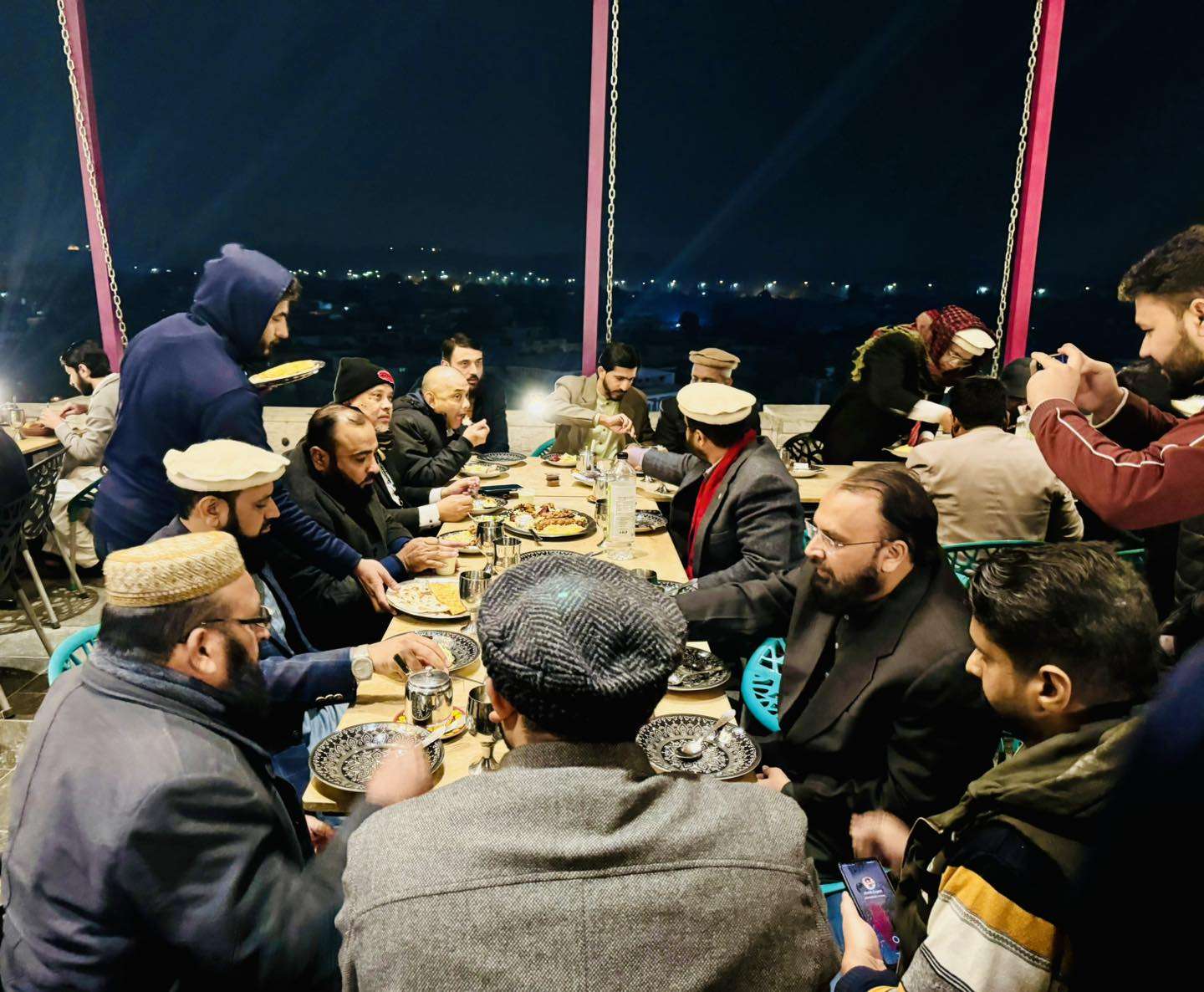
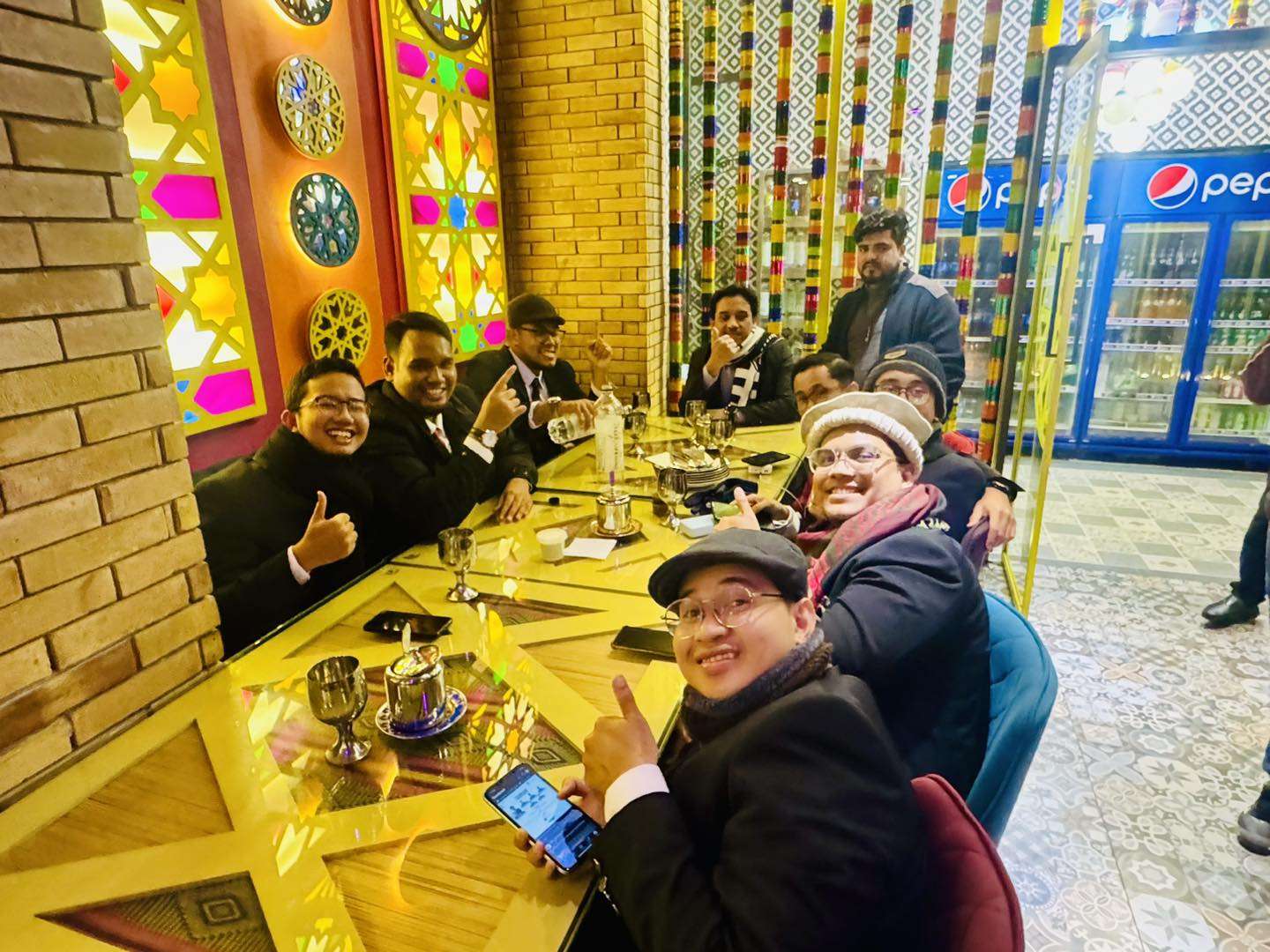
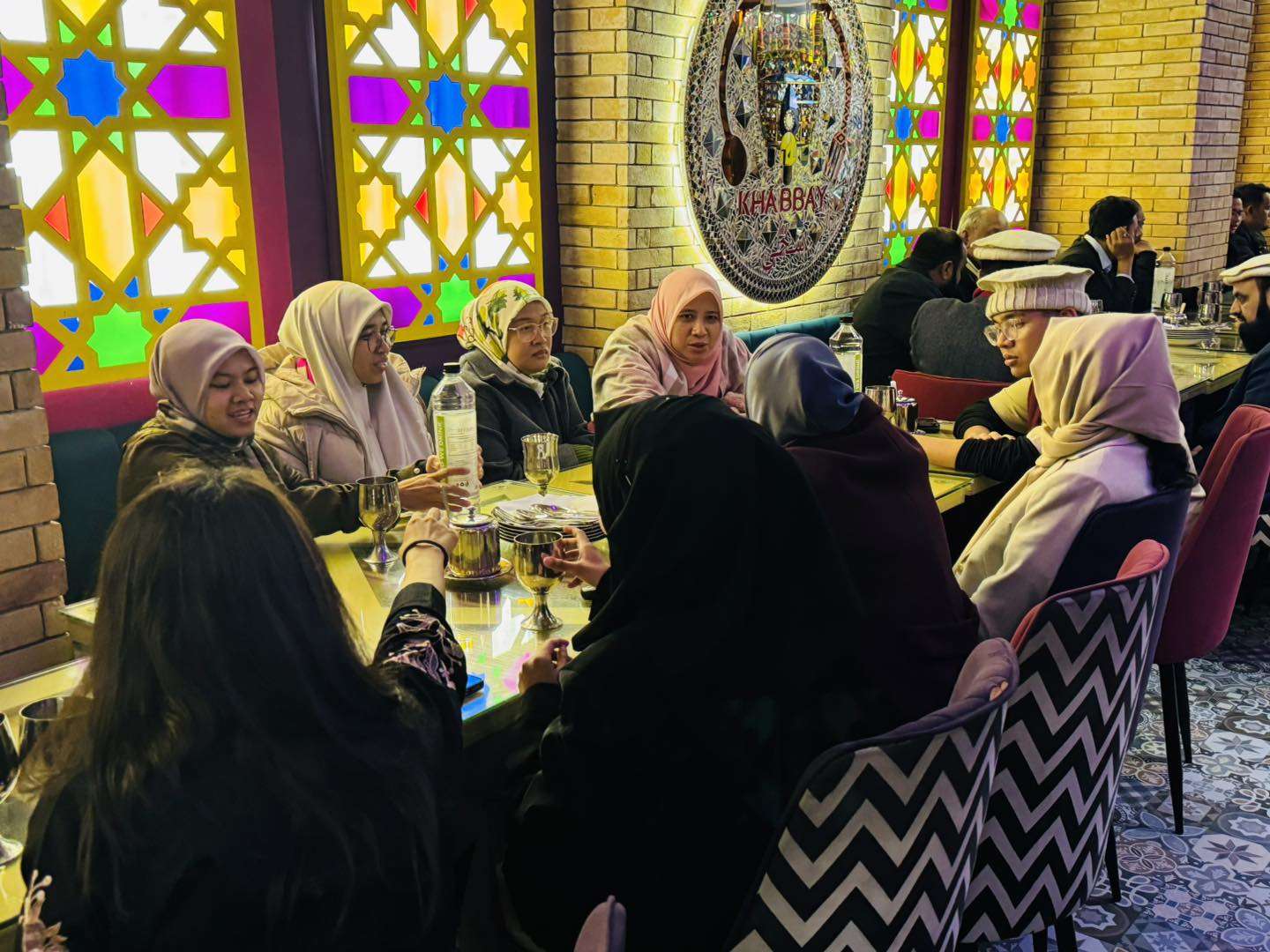
🎓 𝐀 𝐖𝐚𝐫𝐦 𝐖𝐞𝐥𝐜𝐨𝐦𝐞 𝐭𝐨 𝐭𝐡𝐞 𝐄𝐬𝐭𝐞𝐞𝐦𝐞𝐝 𝐃𝐞𝐥𝐞𝐠𝐚𝐭𝐢𝐨𝐧 𝐨𝐟 𝐔𝐧𝐢𝐯𝐞𝐫𝐬𝐢𝐭𝐢 𝐌𝐚𝐥𝐚𝐲𝐚:
▪️ 𝐏𝐫𝐨𝐟𝐞𝐬𝐬𝐨𝐫 𝐃𝐫. 𝐌𝐨𝐡𝐝 𝐅𝐚𝐮𝐳𝐢 𝐁𝐢𝐧 𝐇𝐚𝐦𝐚𝐭 – Dean
▪️ 𝐀𝐬𝐬𝐨𝐜. 𝐏𝐫𝐨𝐟. 𝐃𝐫. 𝐊𝐡𝐚𝐝𝐡𝐞𝐫 𝐁𝐢𝐧 𝐀𝐡𝐦𝐚𝐝 – Deputy Dean (Student Affairs)
▪️ 𝐃𝐫. 𝐌𝐨𝐡𝐚𝐦𝐚𝐝 𝐀𝐳𝐫𝐢𝐞𝐧 𝐁𝐢𝐧 𝐌𝐨𝐡𝐚𝐦𝐞𝐝 𝐀𝐝𝐧𝐚𝐧 – Deputy Dean (Undergraduate Studies)
▪️ 𝐌𝐫𝐬. 𝐌𝐚𝐢𝐦𝐮𝐧𝐚𝐡 𝐁𝐢𝐧𝐭𝐢 𝐊𝐚𝐦𝐚𝐫𝐮𝐝𝐝𝐢𝐧 – Senior Assistant Registrar
▪️ 𝐌𝐫𝐬. 𝐍𝐮𝐫 𝐉𝐚𝐧𝐧𝐚𝐡 𝐁𝐢𝐧𝐭𝐢 𝐌𝐝 𝐀𝐤𝐡𝐢𝐫 – Project Officer
🌟 𝐇𝐨𝐬𝐭𝐞𝐝 𝐛𝐲 𝐌𝐮𝐬𝐥𝐢𝐦 𝐘𝐨𝐮𝐭𝐡 𝐔𝐧𝐢𝐯𝐞𝐫𝐬𝐢𝐭𝐲 (𝐌𝐘) and 𝐟𝐚𝐜𝐢𝐥𝐢𝐭𝐚𝐭𝐞𝐝 𝐛𝐲 𝐆𝐥𝐨𝐛𝐚𝐥 𝐂𝐞𝐧𝐭𝐞𝐫 𝐟𝐨𝐫 𝐋𝐞𝐠𝐚𝐥 𝐓𝐡𝐨𝐮𝐠𝐡𝐭 (𝐆𝐂𝐋𝐓), this initiative reflects our commitment to 𝐤𝐧𝐨𝐰𝐥𝐞𝐝𝐠𝐞 𝐞𝐱𝐜𝐡𝐚𝐧𝐠𝐞, 𝐚𝐜𝐚𝐝𝐞𝐦𝐢𝐜 𝐜𝐨𝐥𝐥𝐚𝐛𝐨𝐫𝐚𝐭𝐢𝐨𝐧, and 𝐬𝐭𝐮𝐝𝐞𝐧𝐭 𝐦𝐨𝐛𝐢𝐥𝐢𝐭𝐲.


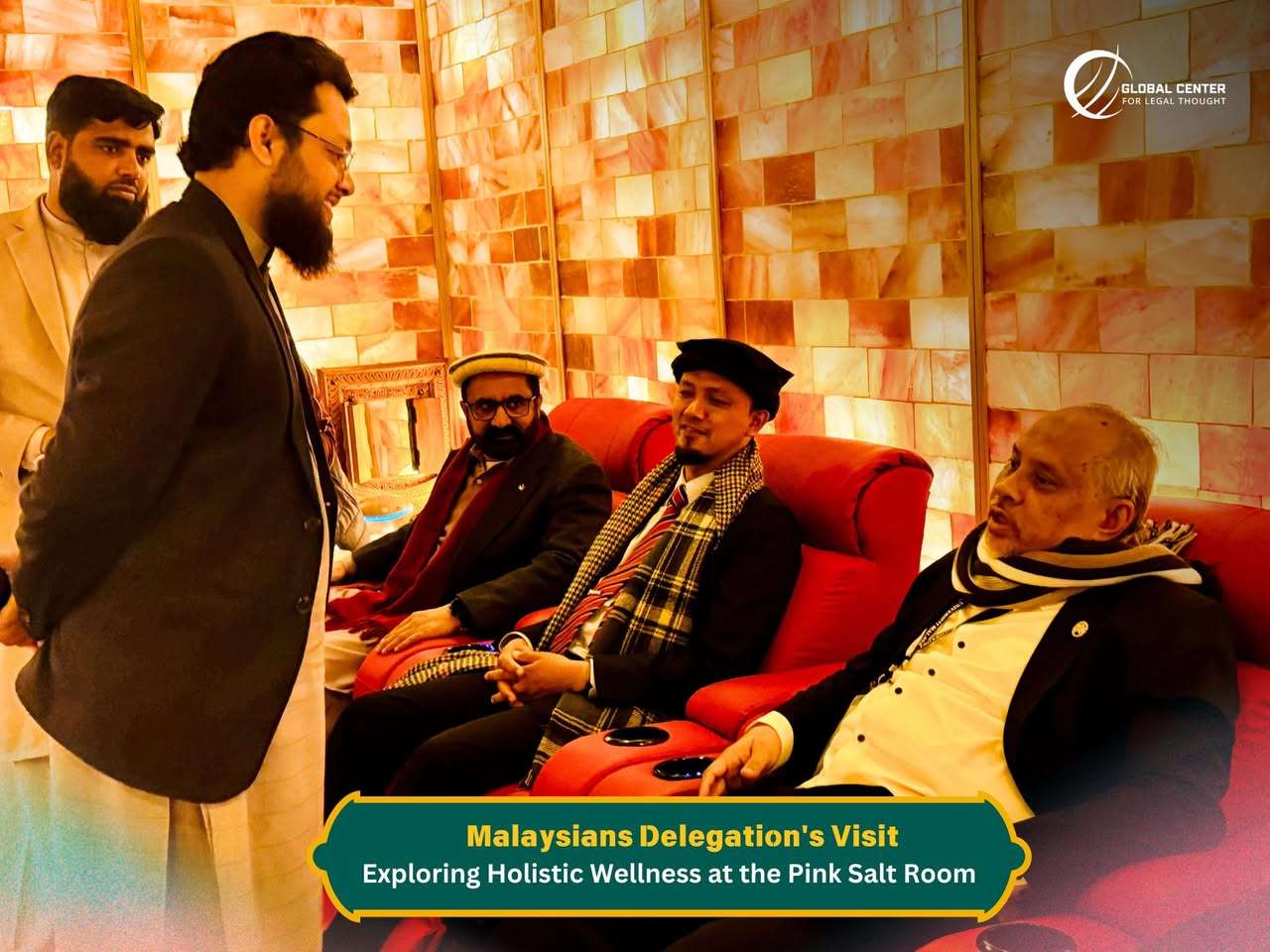
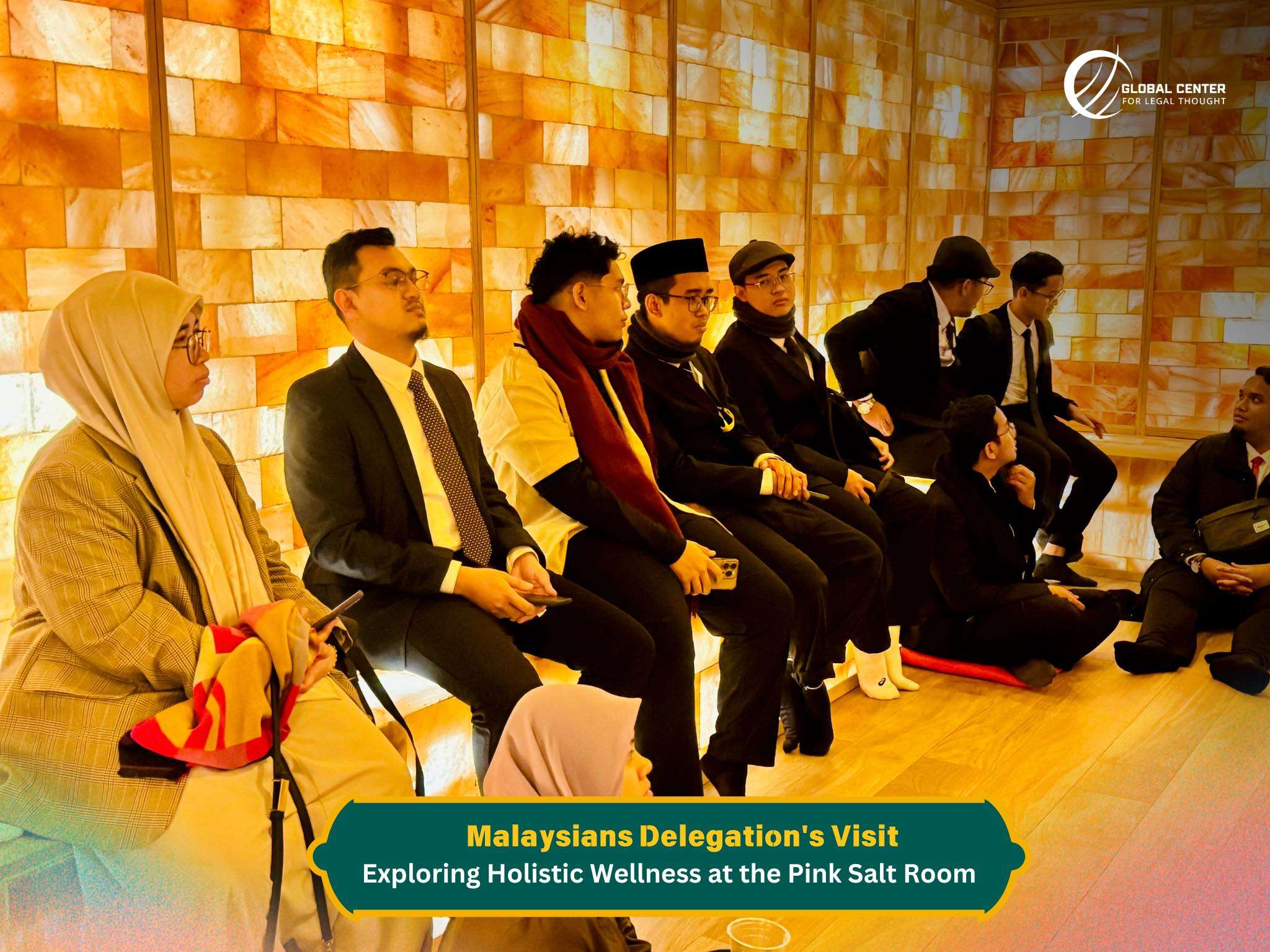
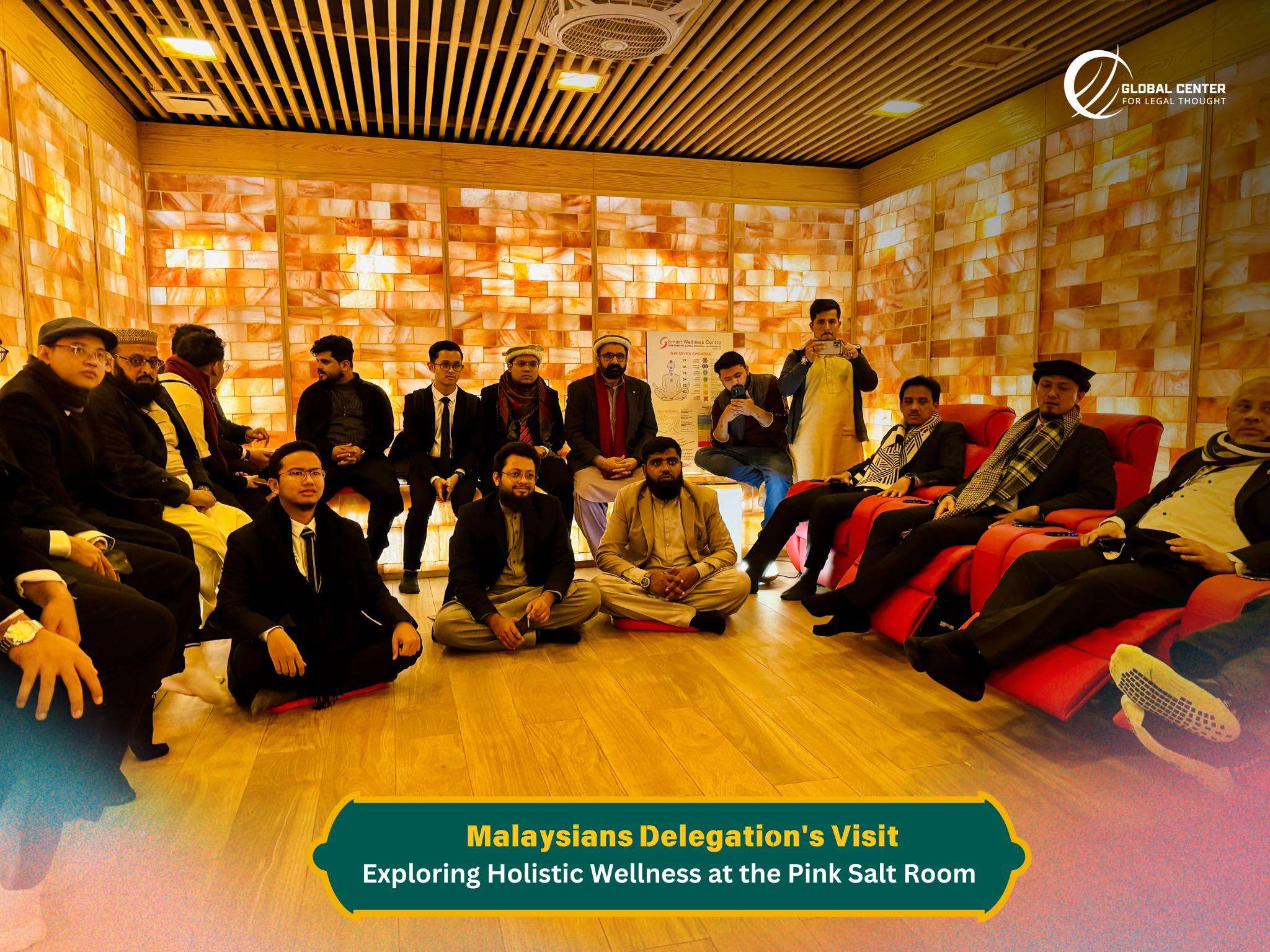
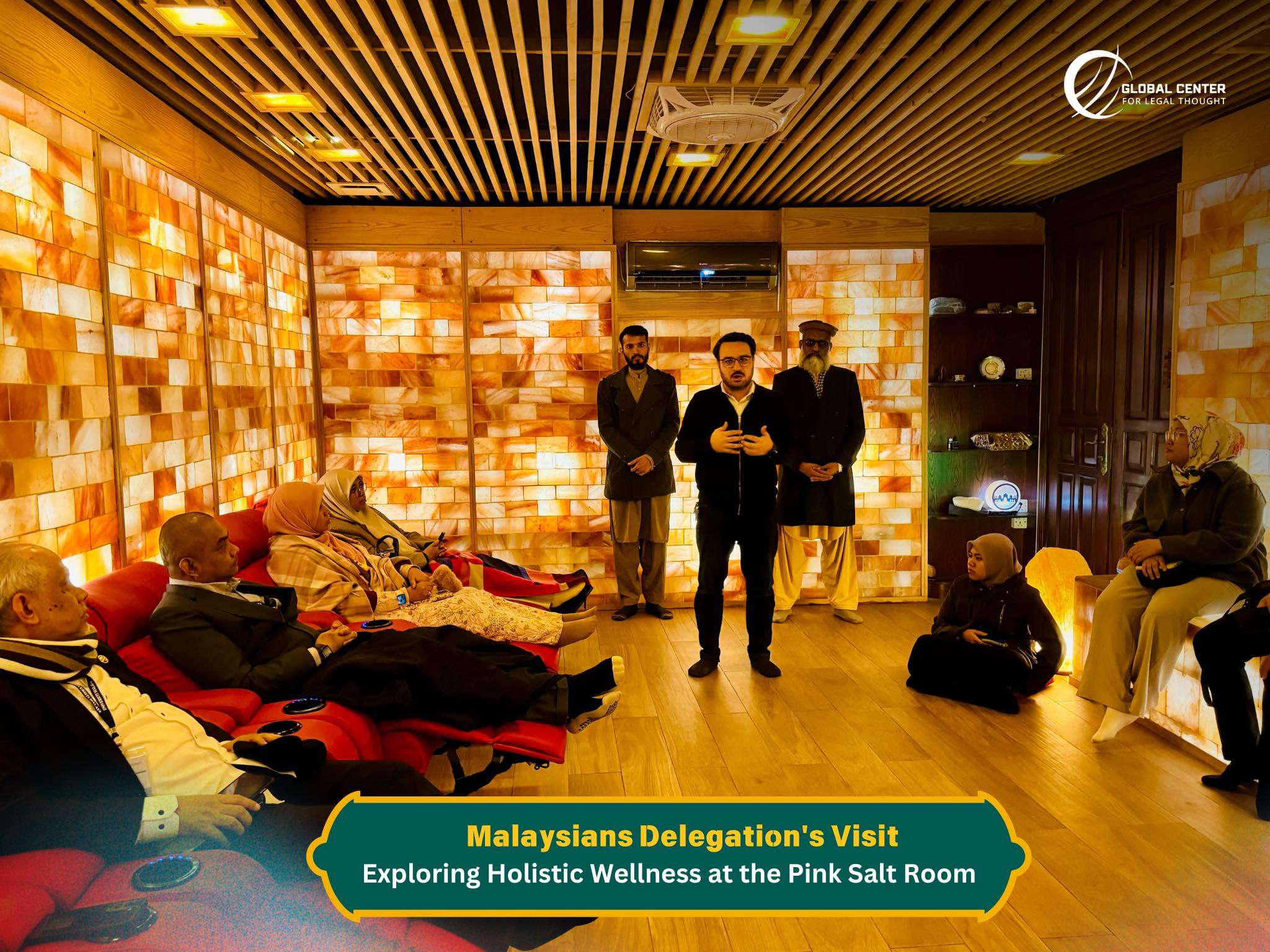
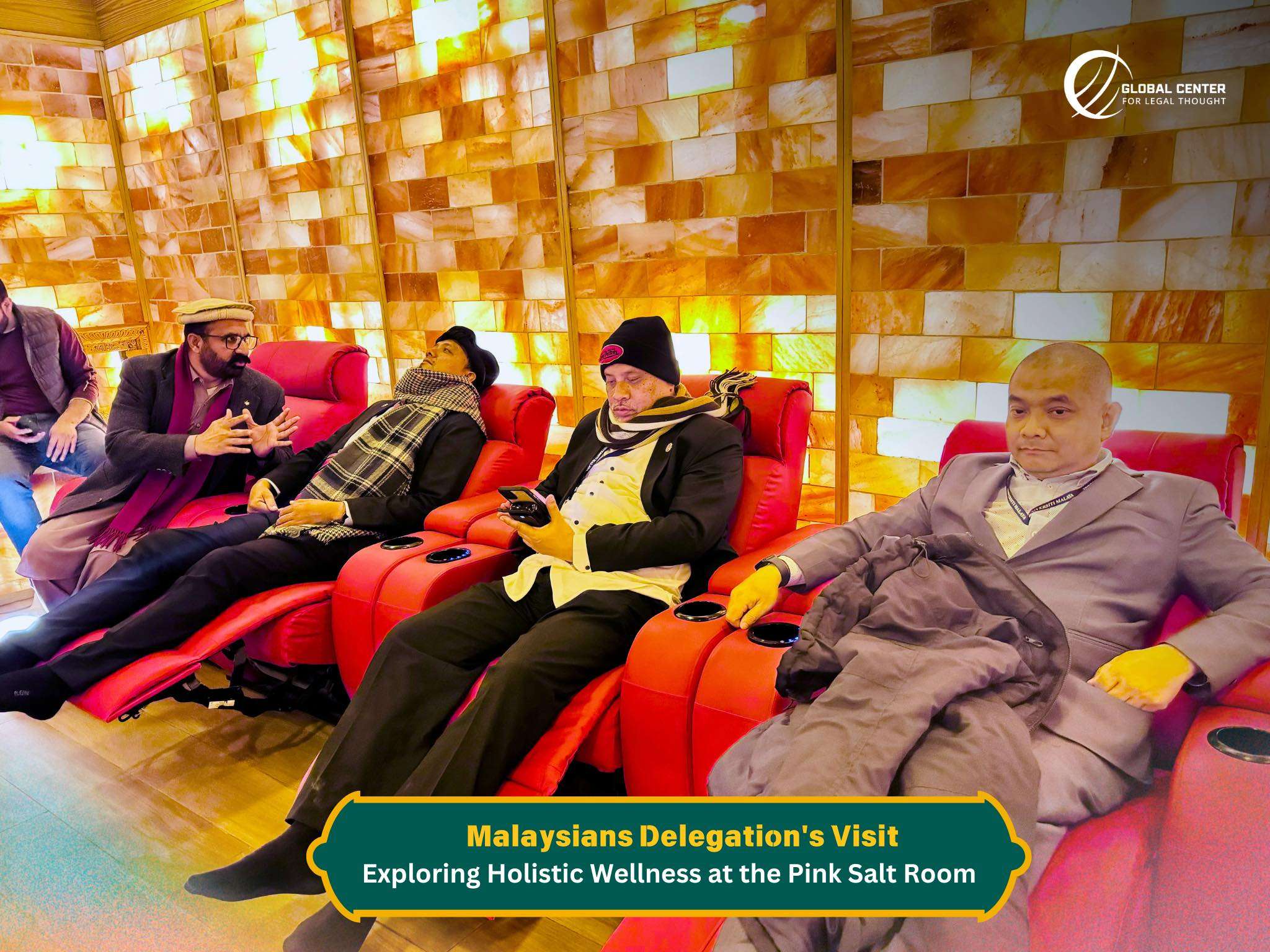
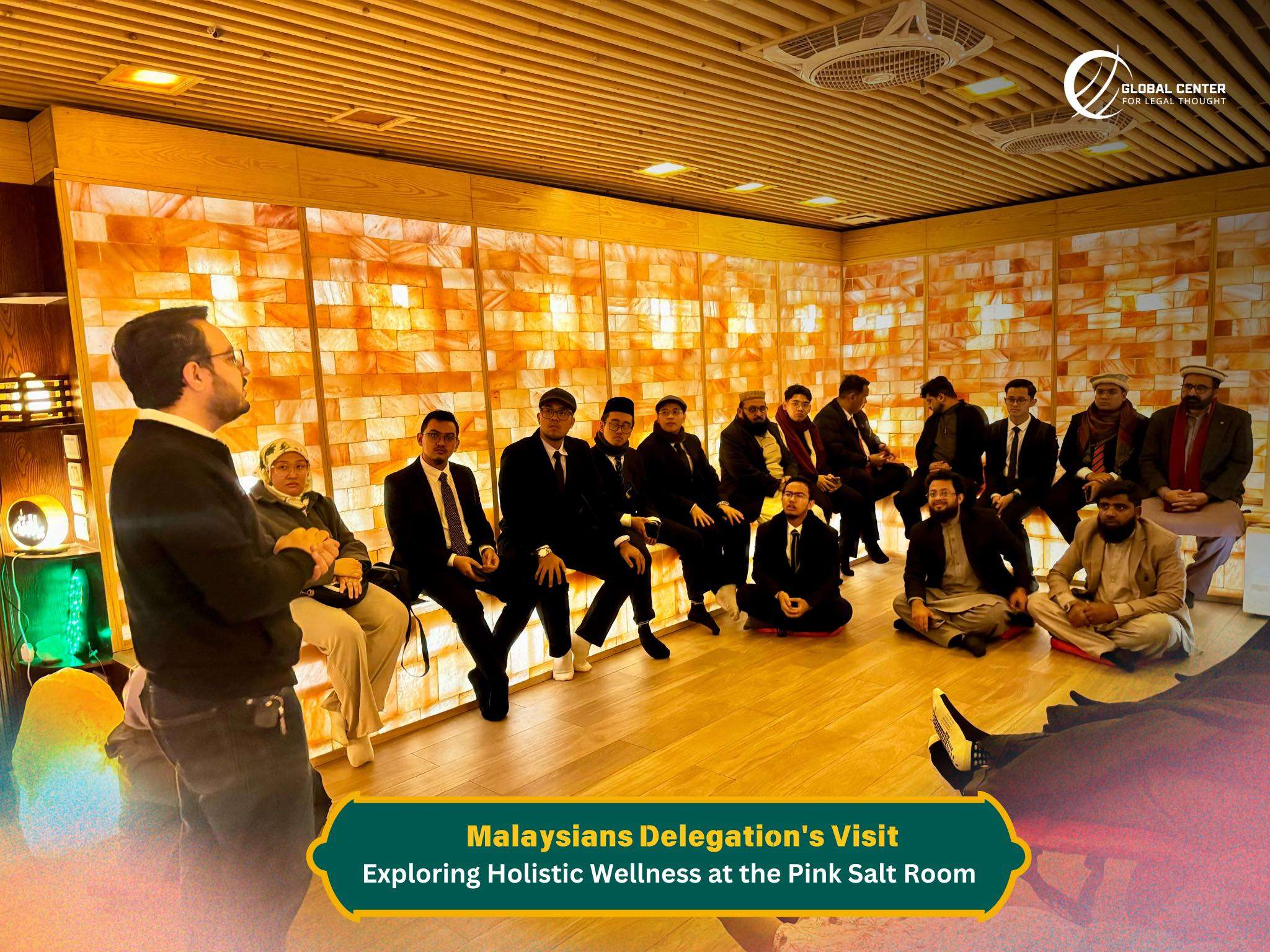
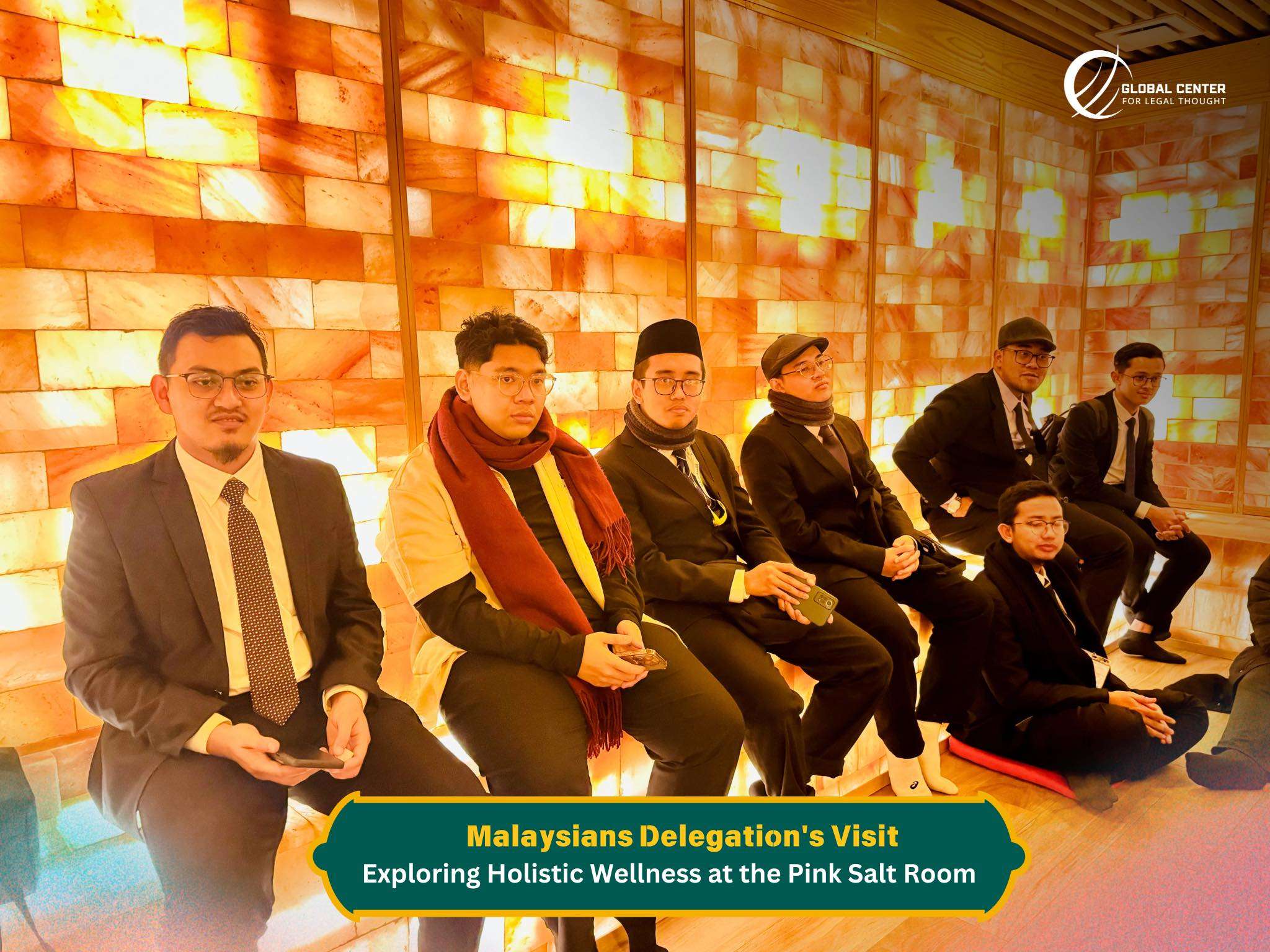
𝐄𝐱𝐩𝐥𝐨𝐫𝐢𝐧𝐠 𝐇𝐨𝐥𝐢𝐬𝐭𝐢𝐜 𝐖𝐞𝐥𝐥𝐧𝐞𝐬𝐬 𝐚𝐭 𝐭𝐡𝐞 𝐏𝐢𝐧𝐤 𝐒𝐚𝐥𝐭 𝐑𝐨𝐨𝐦

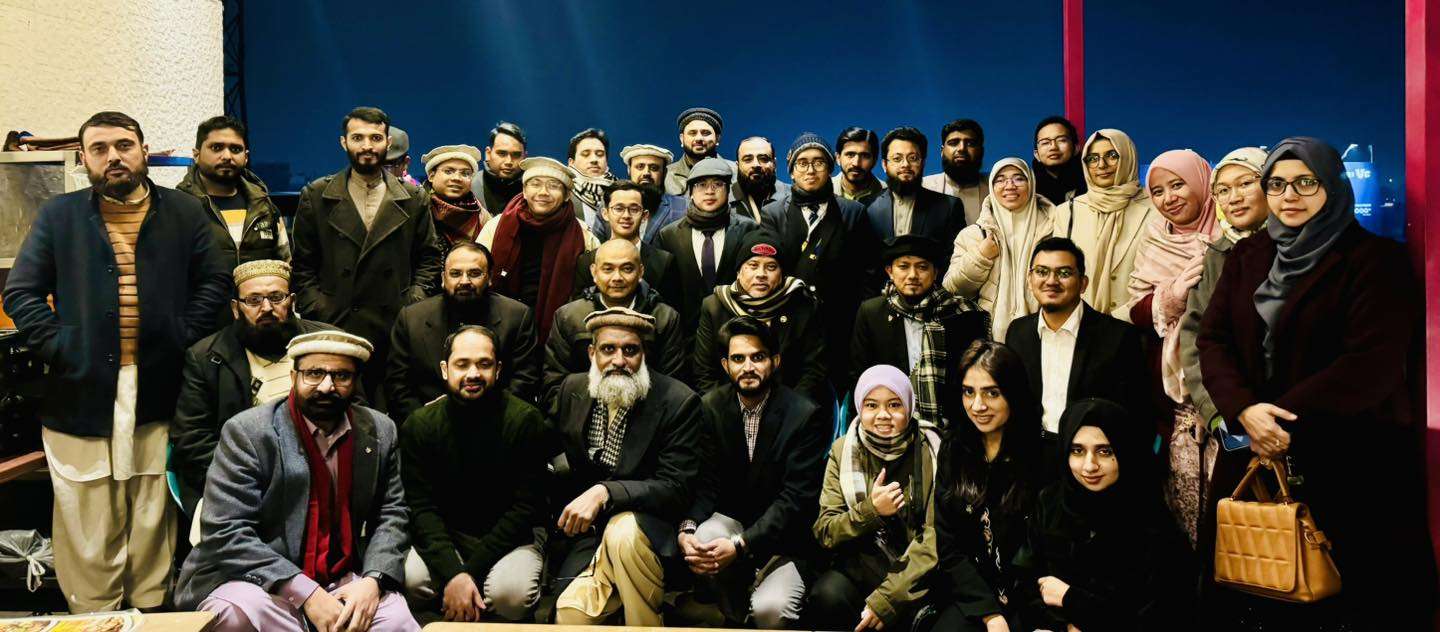
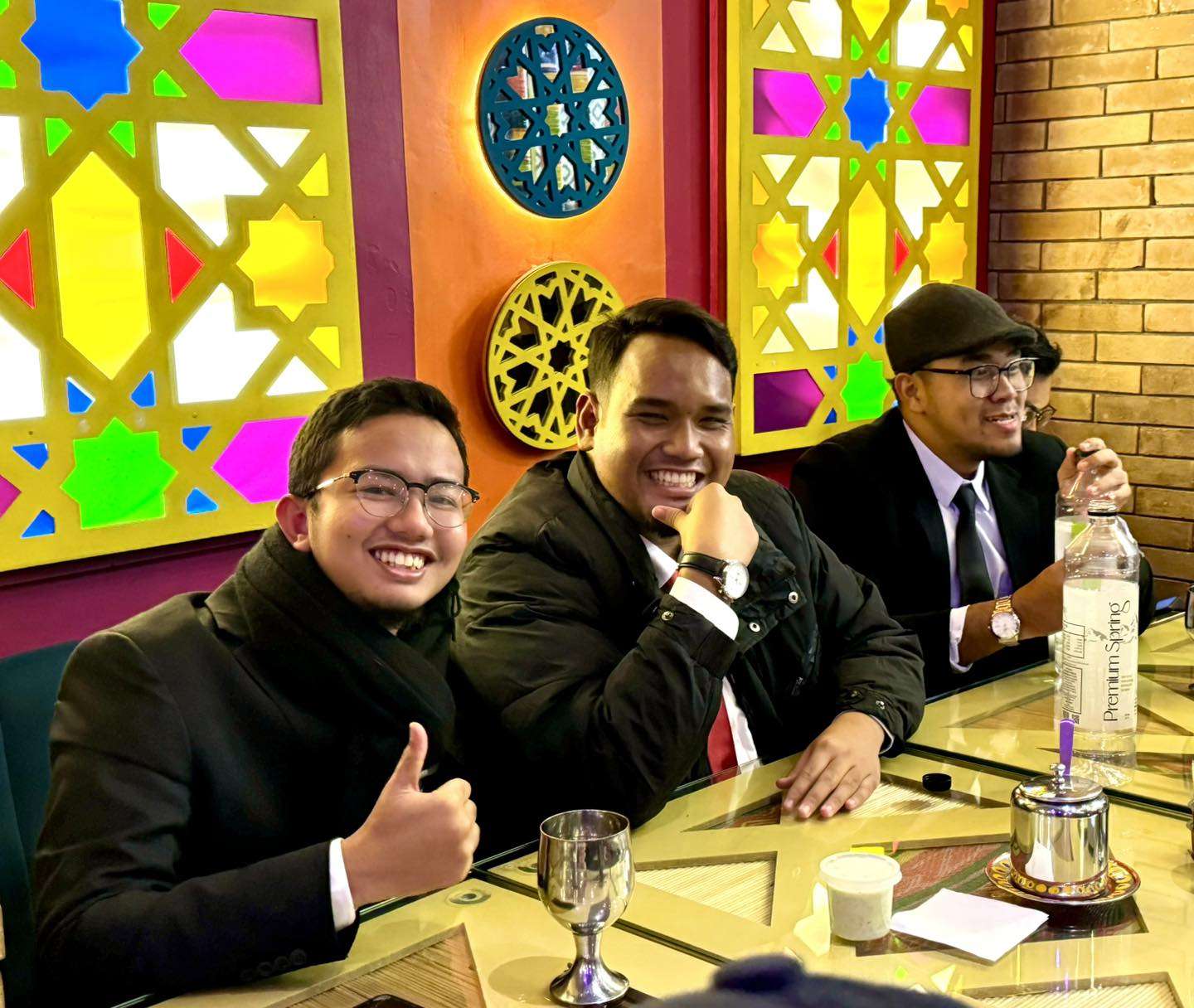
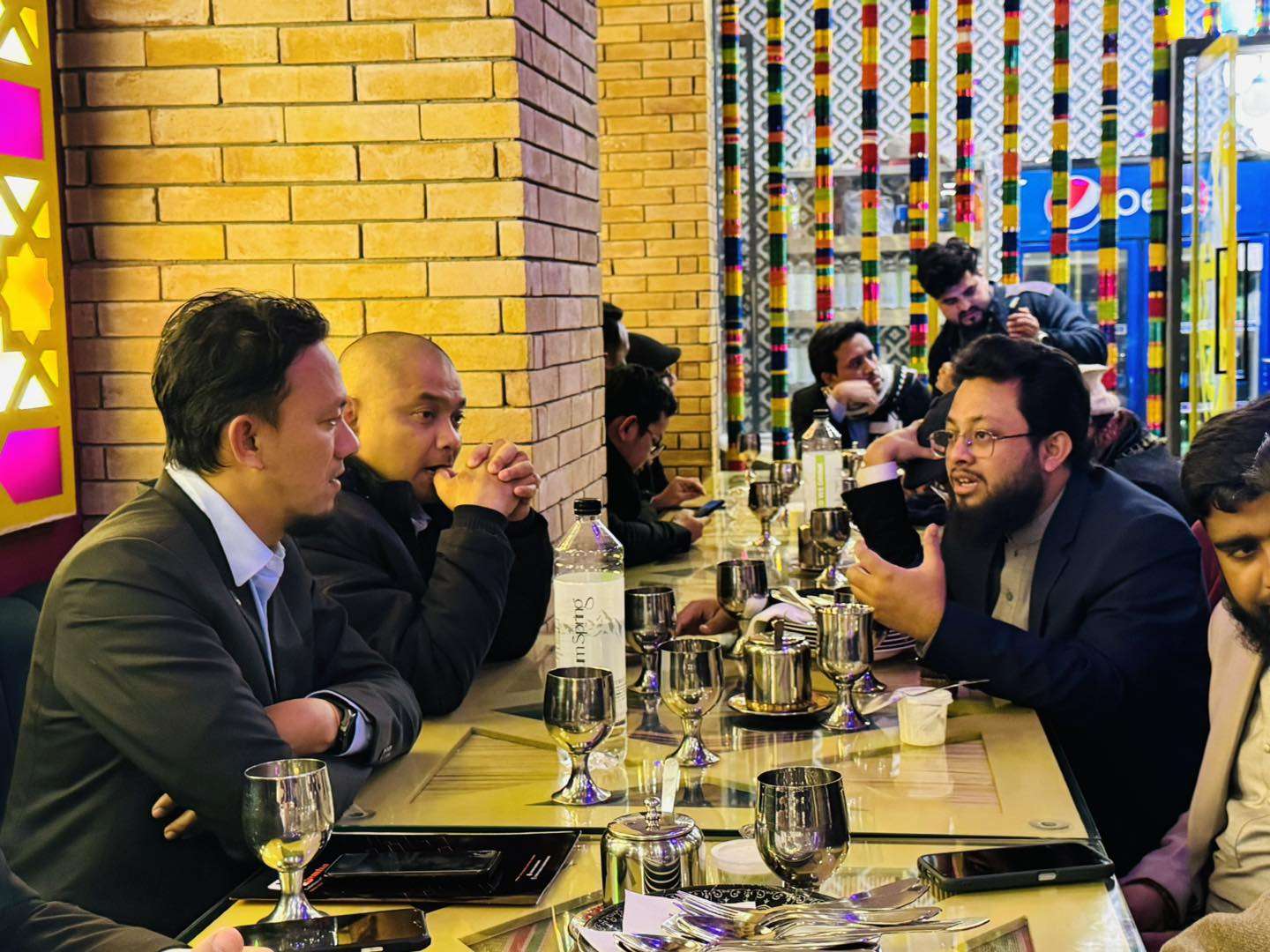
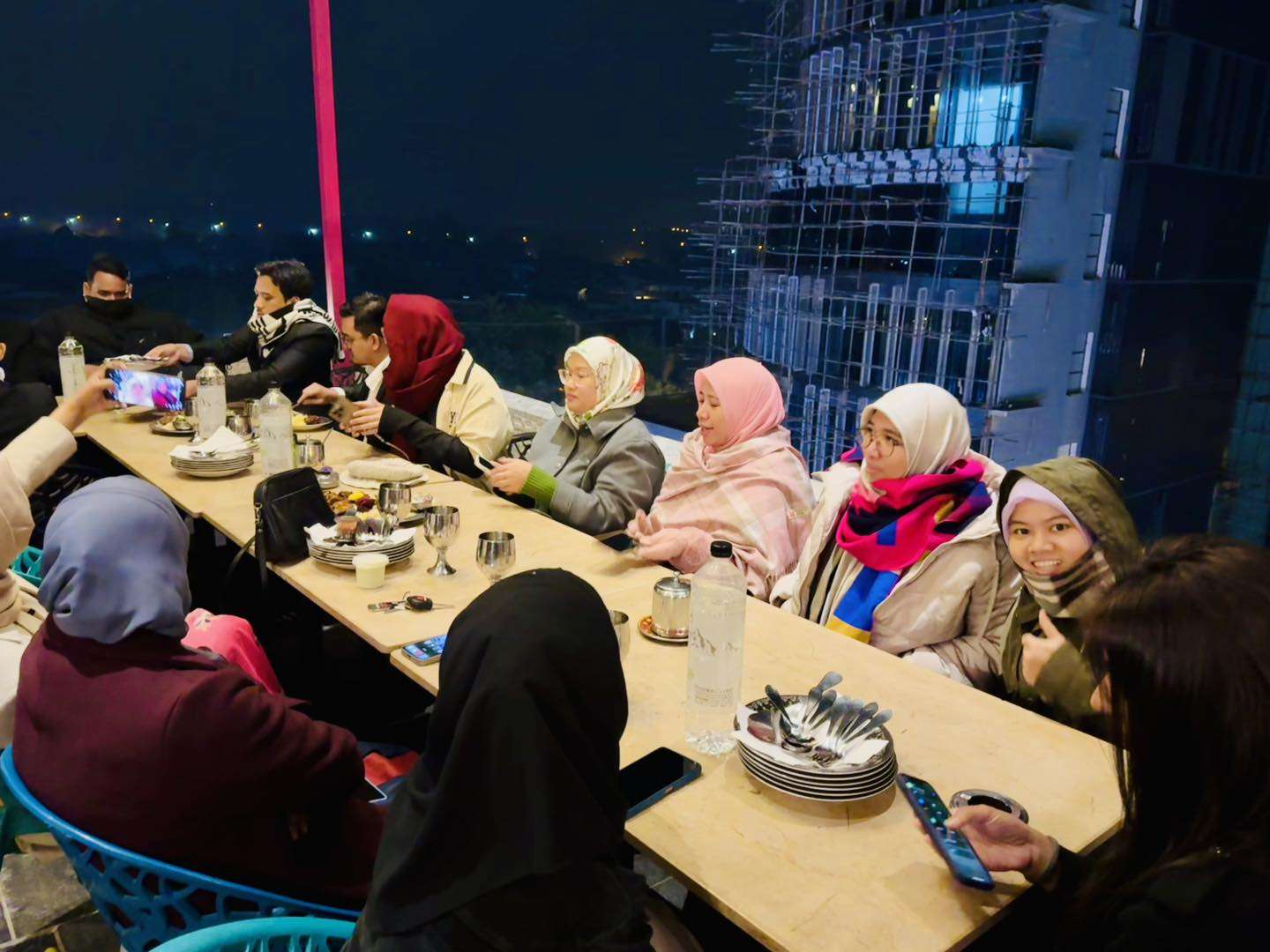
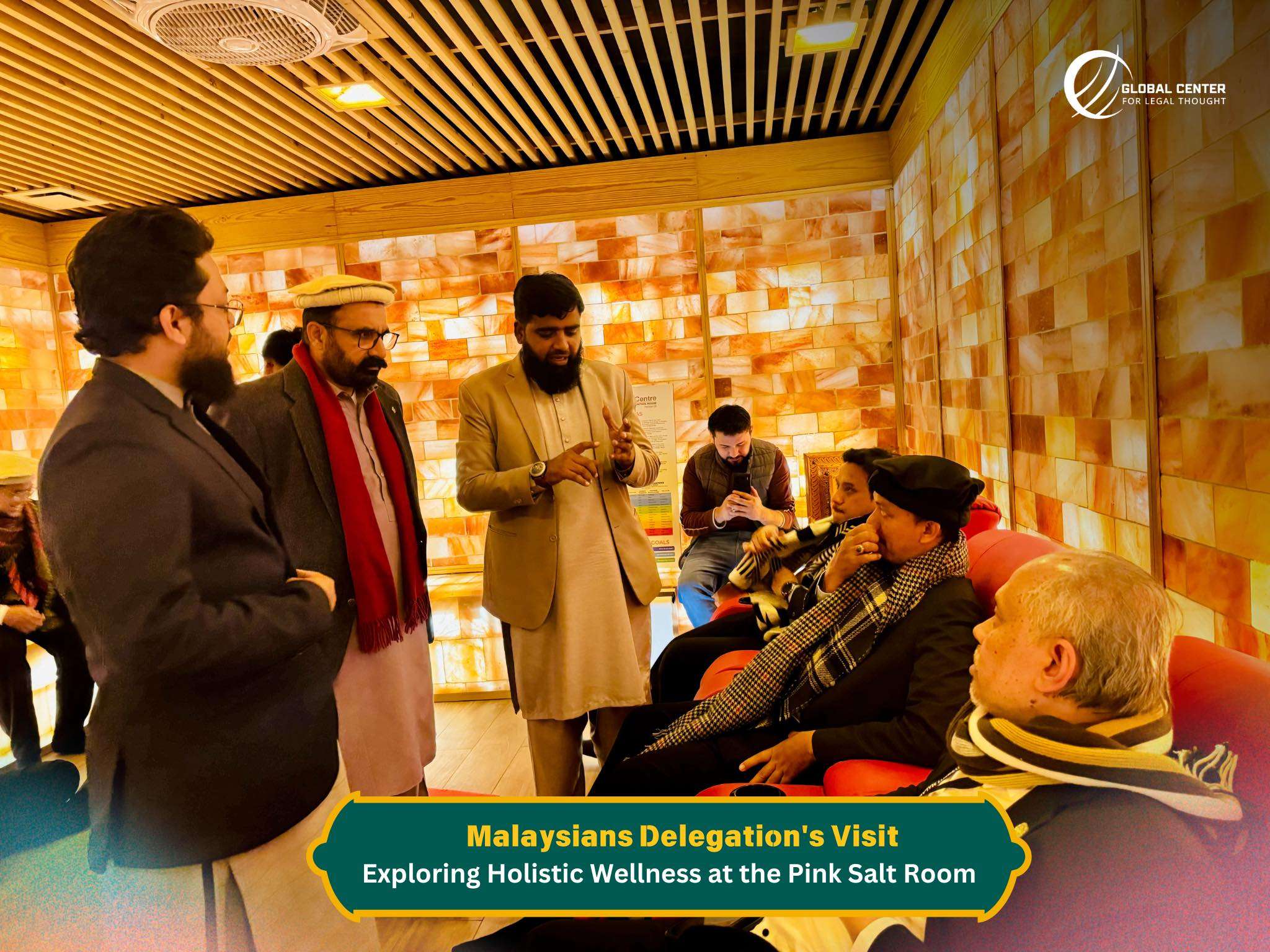
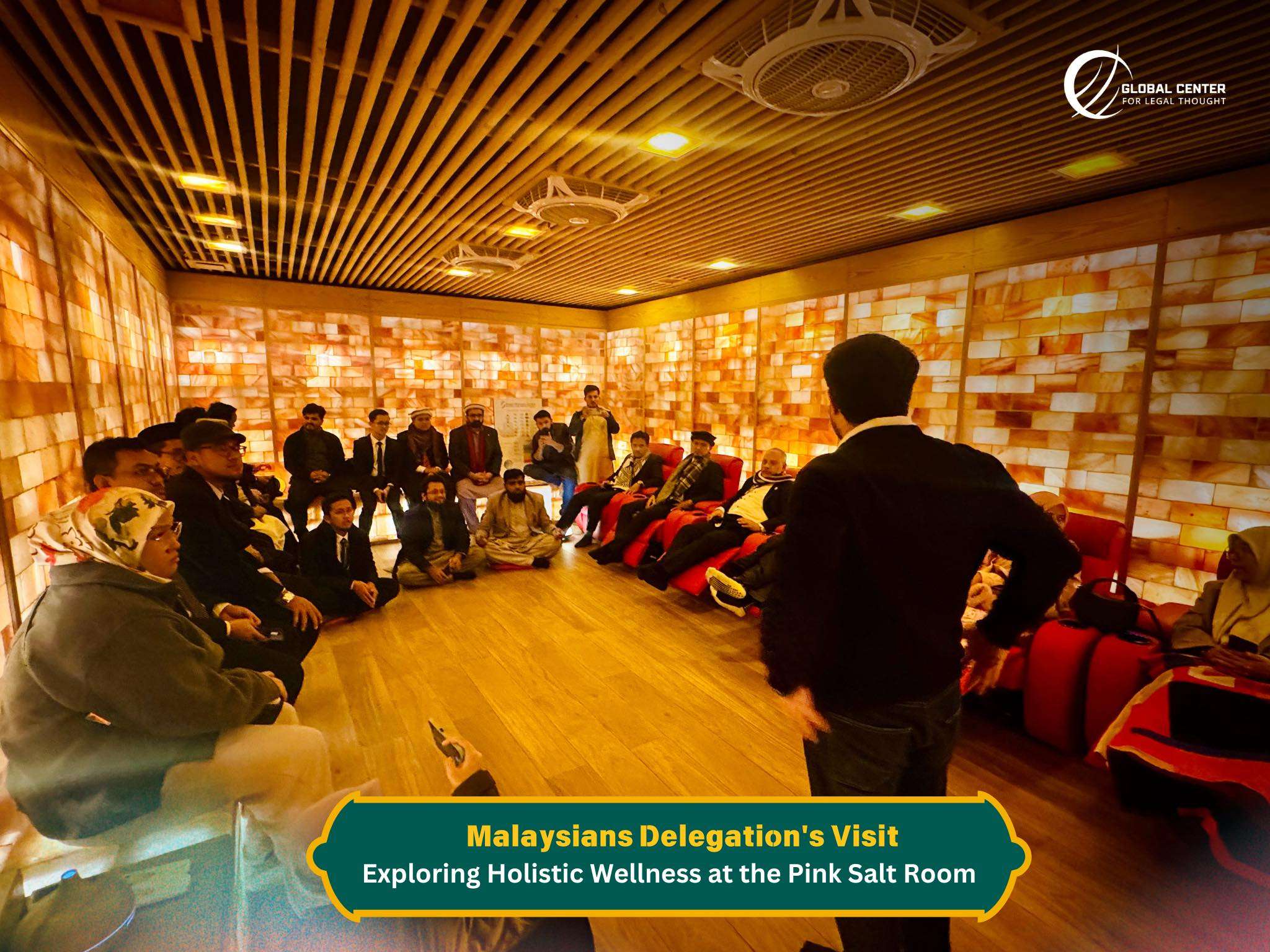
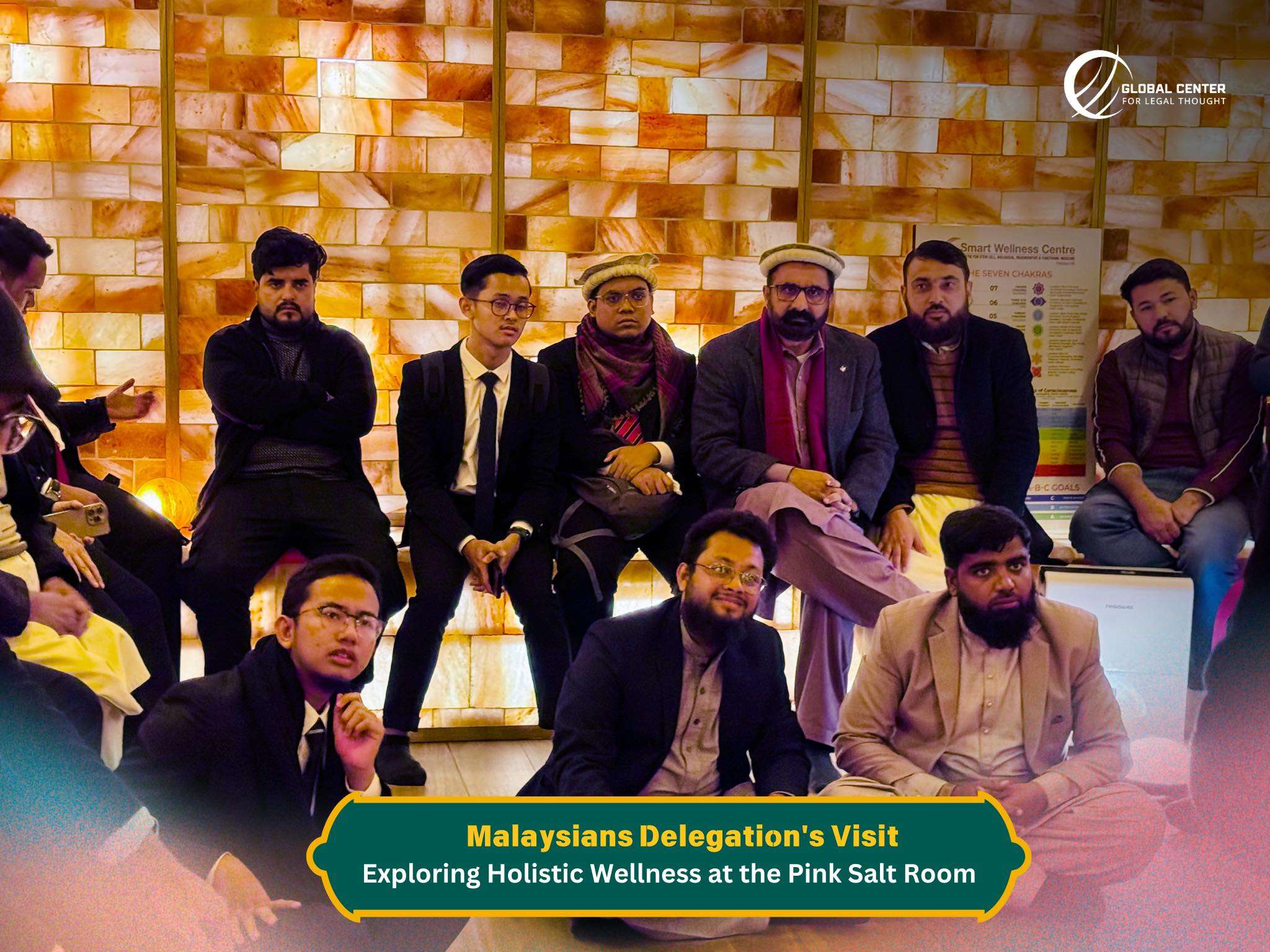
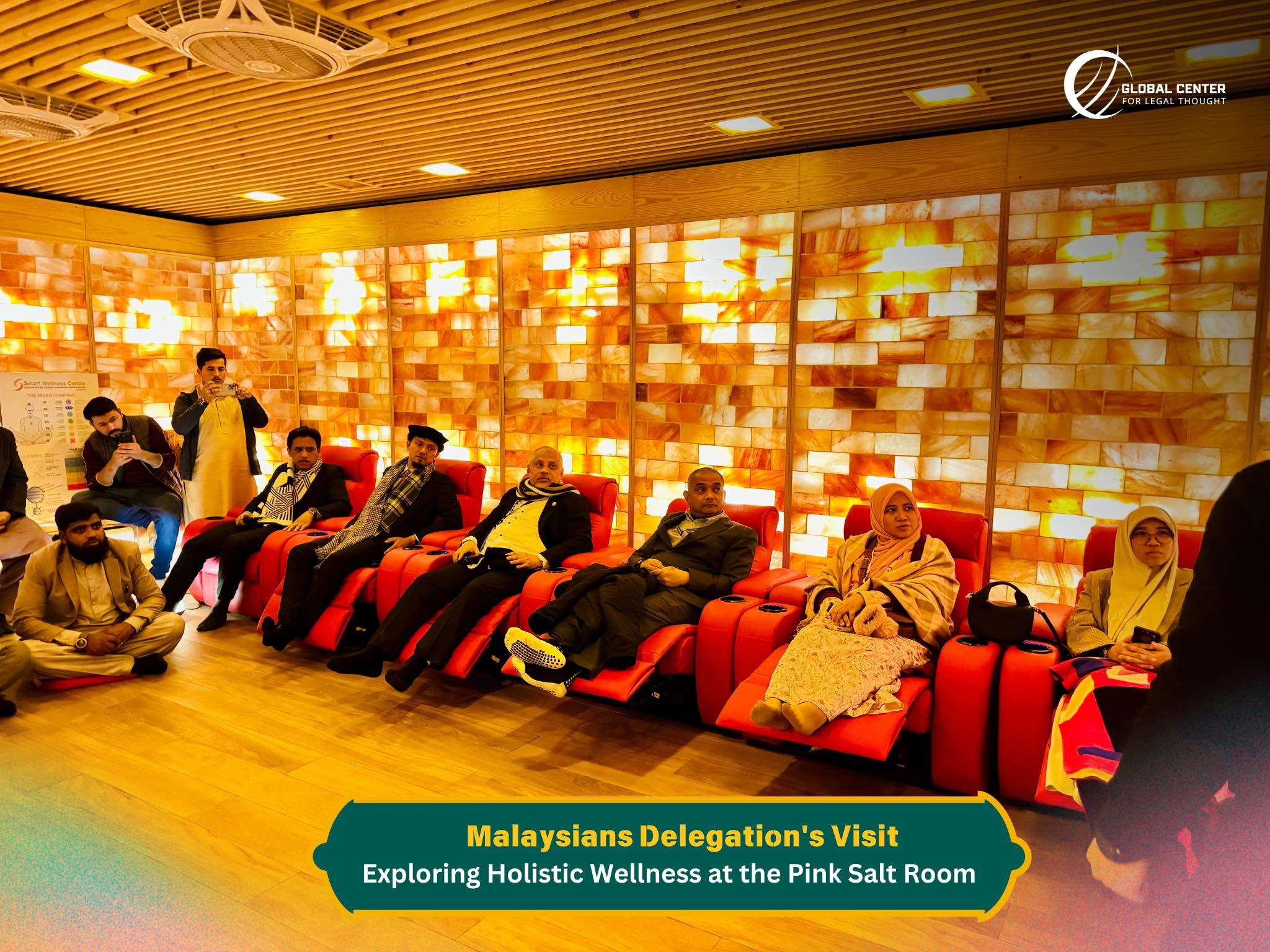
During the 𝐌𝐚𝐥𝐚𝐲𝐬𝐢𝐚𝐧 𝐝𝐞𝐥𝐞𝐠𝐚𝐭𝐢𝐨𝐧’𝐬 visit, we had the privilege of exploring the 𝐬𝐞𝐫𝐞𝐧𝐞 𝐚𝐧𝐝 𝐫𝐞𝐣𝐮𝐯𝐞𝐧𝐚𝐭𝐢𝐧𝐠 𝐏𝐢𝐧𝐤 𝐒𝐚𝐥𝐭 𝐑𝐨𝐨𝐦. This unique experience offered insights into the 𝐬𝐜𝐢𝐞𝐧𝐜𝐞 𝐨𝐟 𝐰𝐞𝐥𝐥𝐧𝐞𝐬𝐬, including the 𝐬𝐞𝐯𝐞𝐧 𝐜𝐡𝐚𝐤𝐫𝐚𝐬 and the 𝐦𝐚𝐩 𝐨𝐟 𝐜𝐨𝐧𝐬𝐜𝐢𝐨𝐮𝐬𝐧𝐞𝐬𝐬, blending 𝐭𝐫𝐚𝐝𝐢𝐭𝐢𝐨𝐧𝐚𝐥 𝐤𝐧𝐨𝐰𝐥𝐞𝐝𝐠𝐞 with 𝐦𝐨𝐝𝐞𝐫𝐧 𝐟𝐮𝐧𝐜𝐭𝐢𝐨𝐧𝐚𝐥 𝐦𝐞𝐝𝐢𝐜𝐢𝐧𝐞.
Moments like these deepen our understanding of 𝐡𝐨𝐥𝐢𝐬𝐭𝐢𝐜 𝐡𝐞𝐚𝐥𝐭𝐡 𝐩𝐫𝐚𝐜𝐭𝐢𝐜𝐞𝐬 while fostering stronger bonds between our 𝐠𝐮𝐞𝐬𝐭𝐬 𝐚𝐧𝐝 𝐡𝐨𝐬𝐭𝐬.

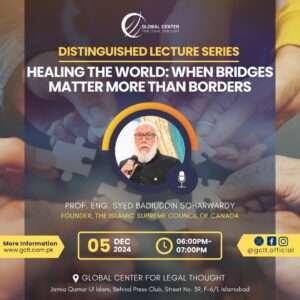
𝐇𝐞𝐚𝐥𝐢𝐧𝐠 𝐭𝐡𝐞 𝐖𝐨𝐫𝐥𝐝: 𝐁𝐮𝐢𝐥𝐝𝐢𝐧𝐠 𝐁𝐫𝐢𝐝𝐠𝐞𝐬 𝐁𝐞𝐲𝐨𝐧𝐝 𝐁𝐨𝐫𝐝𝐞𝐫𝐬

the 𝐆𝐥𝐨𝐛𝐚𝐥 𝐂𝐞𝐧𝐭𝐞𝐫 𝐟𝐨𝐫 𝐋𝐞𝐠𝐚𝐥 𝐓𝐡𝐨𝐮𝐠𝐡𝐭 hosted a thought-provoking event featuring 𝐏𝐫𝐨𝐟. 𝐄𝐧𝐠. 𝐒𝐲𝐞𝐝 𝐁𝐚𝐝𝐢𝐮𝐝𝐝𝐢𝐧 𝐒𝐨𝐡𝐚𝐫𝐰𝐚𝐫𝐝𝐲, Founder of the 𝐈𝐬𝐥𝐚𝐦𝐢𝐜 𝐒𝐮𝐩𝐫𝐞𝐦𝐞 𝐂𝐨𝐮𝐧𝐜𝐢𝐥 𝐨𝐟 𝐂𝐚𝐧𝐚𝐝𝐚.
Through insightful discussions on 𝐂𝐫𝐨𝐬𝐬-𝐂𝐮𝐥𝐭𝐮𝐫𝐚𝐥 𝐏𝐚𝐫𝐚𝐝𝐢𝐠𝐦𝐬, 𝐈𝐧𝐭𝐞𝐫𝐟𝐚𝐢𝐭𝐡 𝐃𝐢𝐚𝐥𝐨𝐠𝐮𝐞, and the 𝐂𝐨𝐧𝐭𝐞𝐦𝐩𝐨𝐫𝐚𝐫𝐲 𝐑𝐞𝐥𝐞𝐯𝐚𝐧𝐜𝐞 𝐨𝐟 𝐈𝐬𝐥𝐚𝐦𝐢𝐜 𝐓𝐞𝐚𝐜𝐡𝐢𝐧𝐠𝐬, the event emphasized the 𝐩𝐨𝐰𝐞𝐫 𝐨𝐟 𝐝𝐢𝐚𝐥𝐨𝐠𝐮𝐞 in uniting hearts and minds.
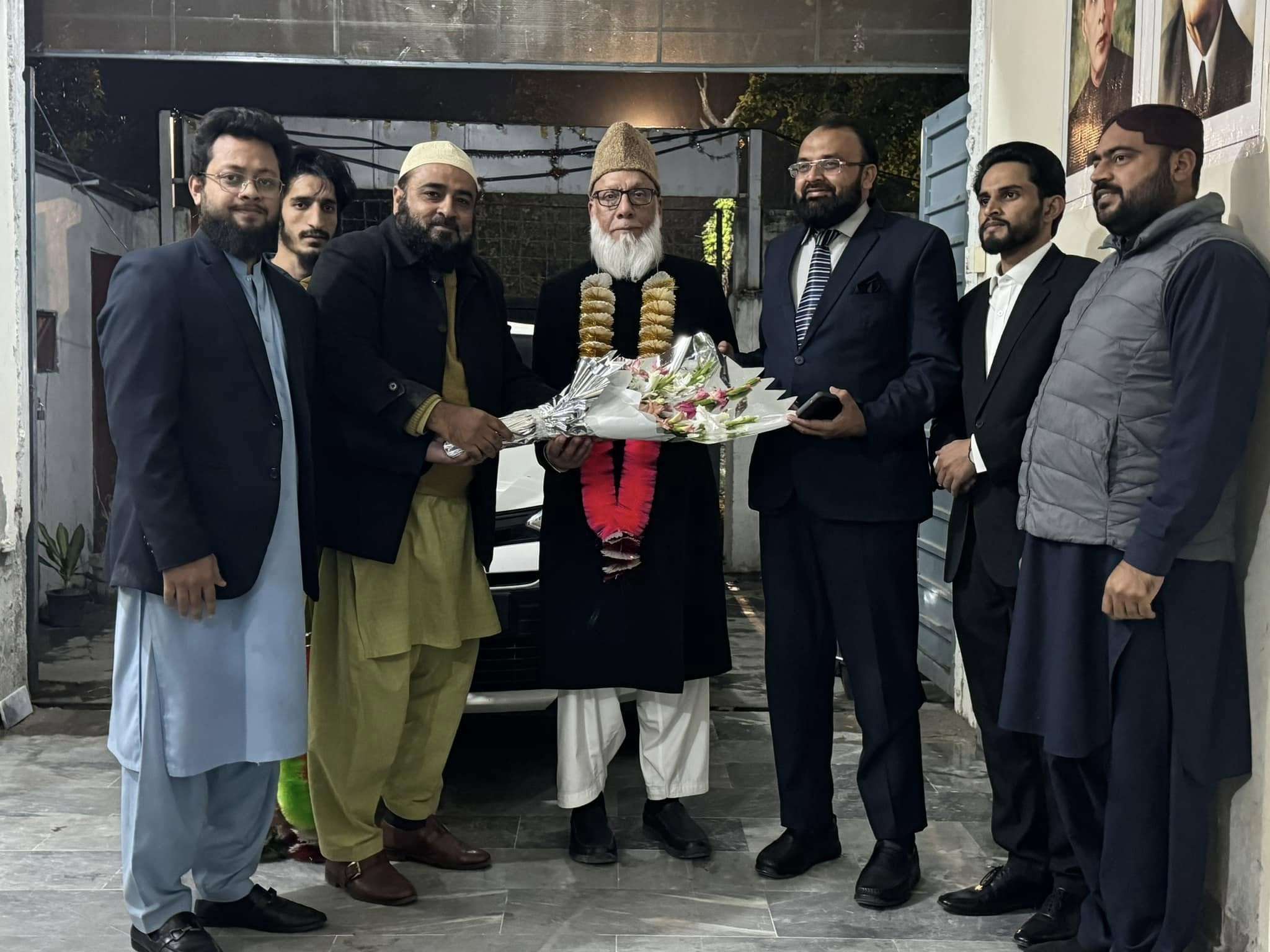
📸 𝐒𝐰𝐢𝐩𝐞 𝐭𝐡𝐫𝐨𝐮𝐠𝐡 𝐭𝐡𝐞 𝐡𝐢𝐠𝐡𝐥𝐢𝐠𝐡𝐭𝐬 of this incredible evening, where ideas crossed borders, and understanding paved the way for a brighter, more connected future.
Thank you to everyone who joined us in this 𝐜𝐨𝐥𝐥𝐞𝐜𝐭𝐢𝐯𝐞 𝐣𝐨𝐮𝐫𝐧𝐞𝐲 𝐨𝐟 𝐥𝐞𝐚𝐫𝐧𝐢𝐧𝐠 𝐚𝐧𝐝 𝐞𝐦𝐩𝐚𝐭𝐡𝐲. Together, we are 𝐛𝐮𝐢𝐥𝐝𝐢𝐧𝐠 𝐛𝐫𝐢𝐝𝐠𝐞𝐬 for a better tomorrow.
𝐂𝐚𝐩𝐭𝐮𝐫𝐢𝐧𝐠 𝐌𝐨𝐦𝐞𝐧𝐭𝐬 𝐟𝐫𝐨𝐦 𝐚 𝐓𝐫𝐚𝐧𝐬𝐟𝐨𝐫𝐦𝐚𝐭𝐢𝐯𝐞 𝐄𝐯𝐞𝐧𝐢𝐧𝐠!

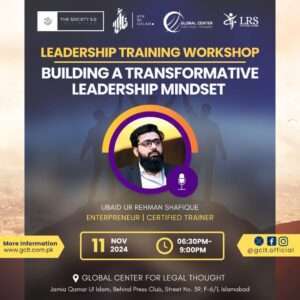
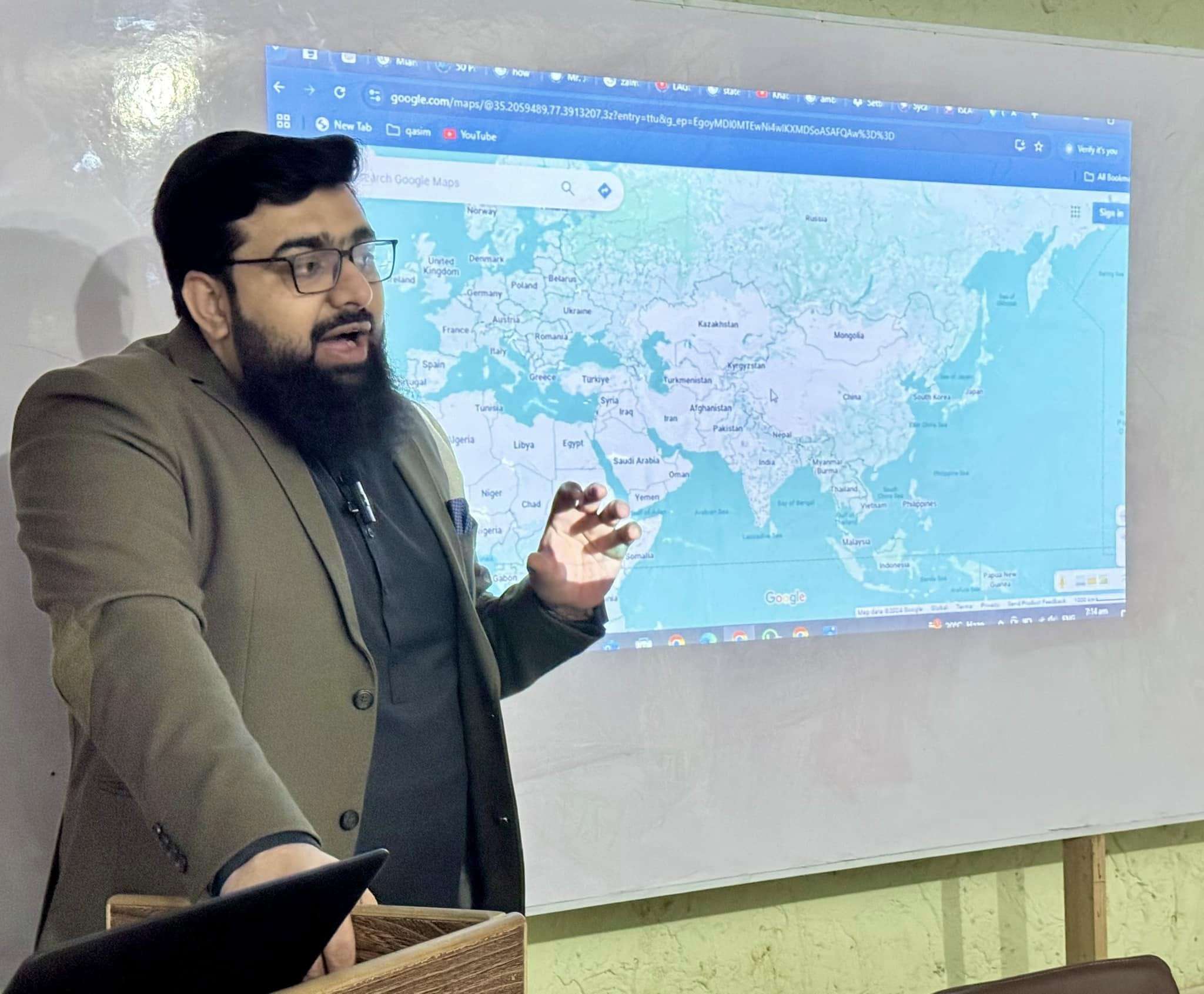
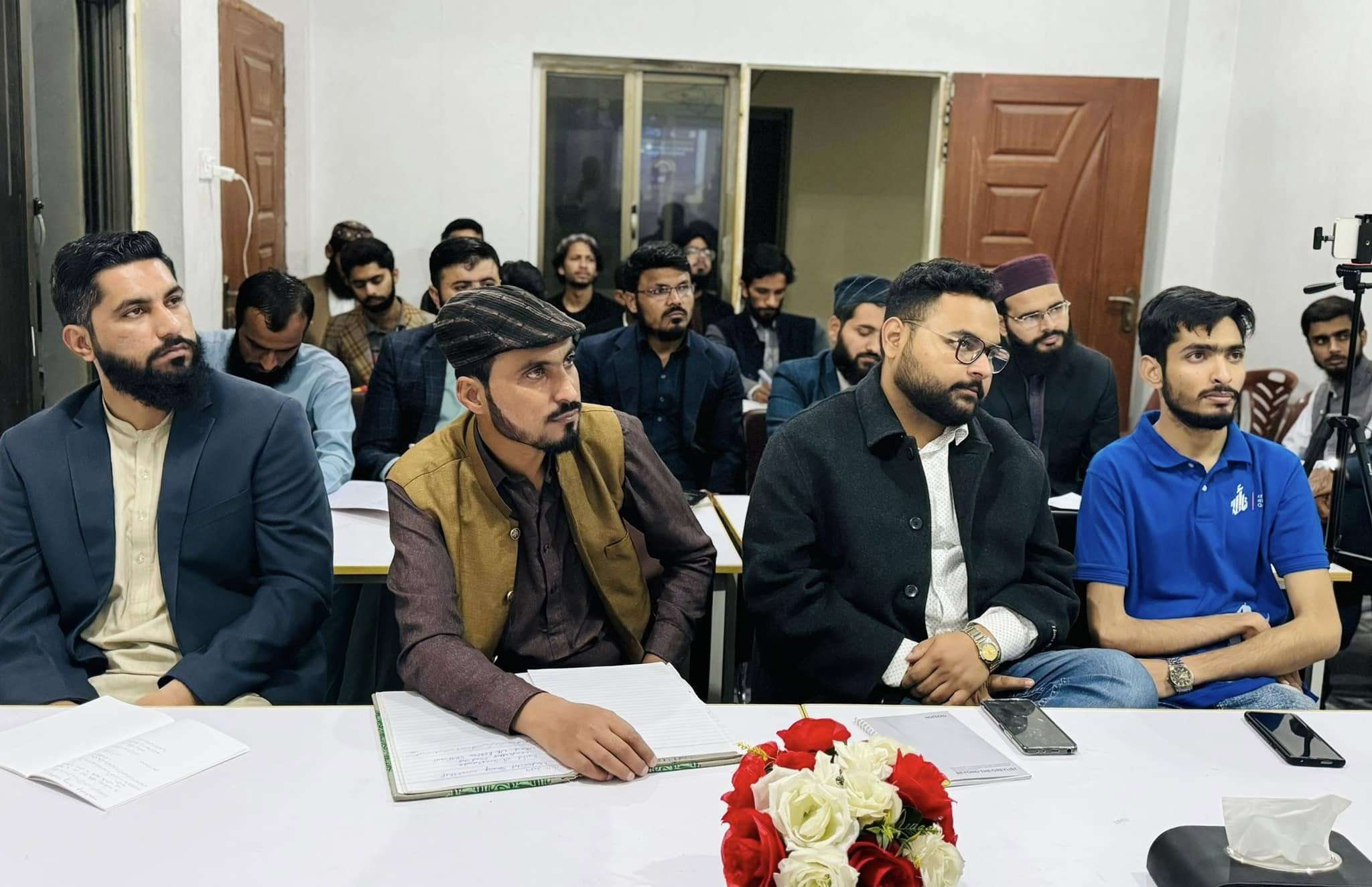
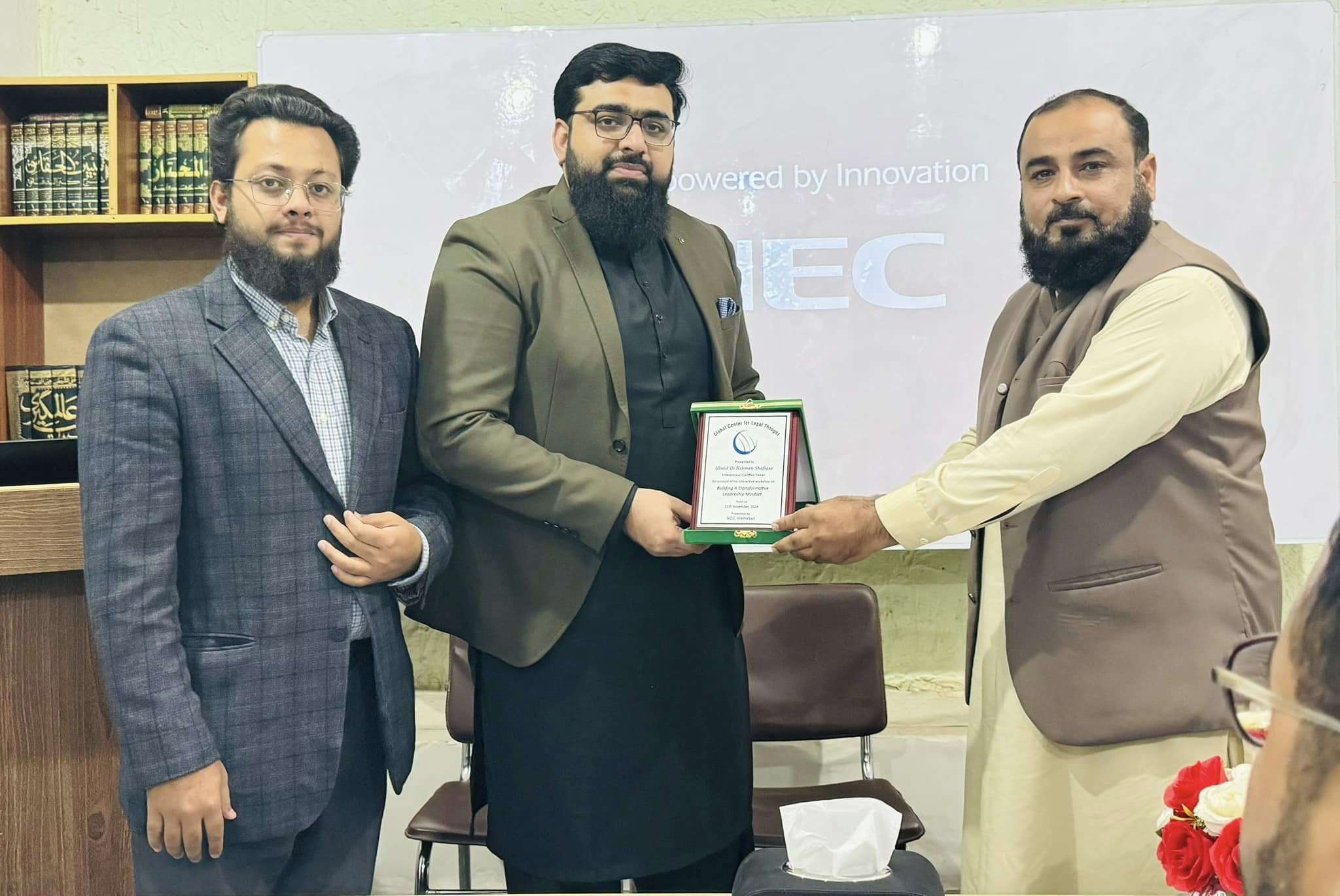
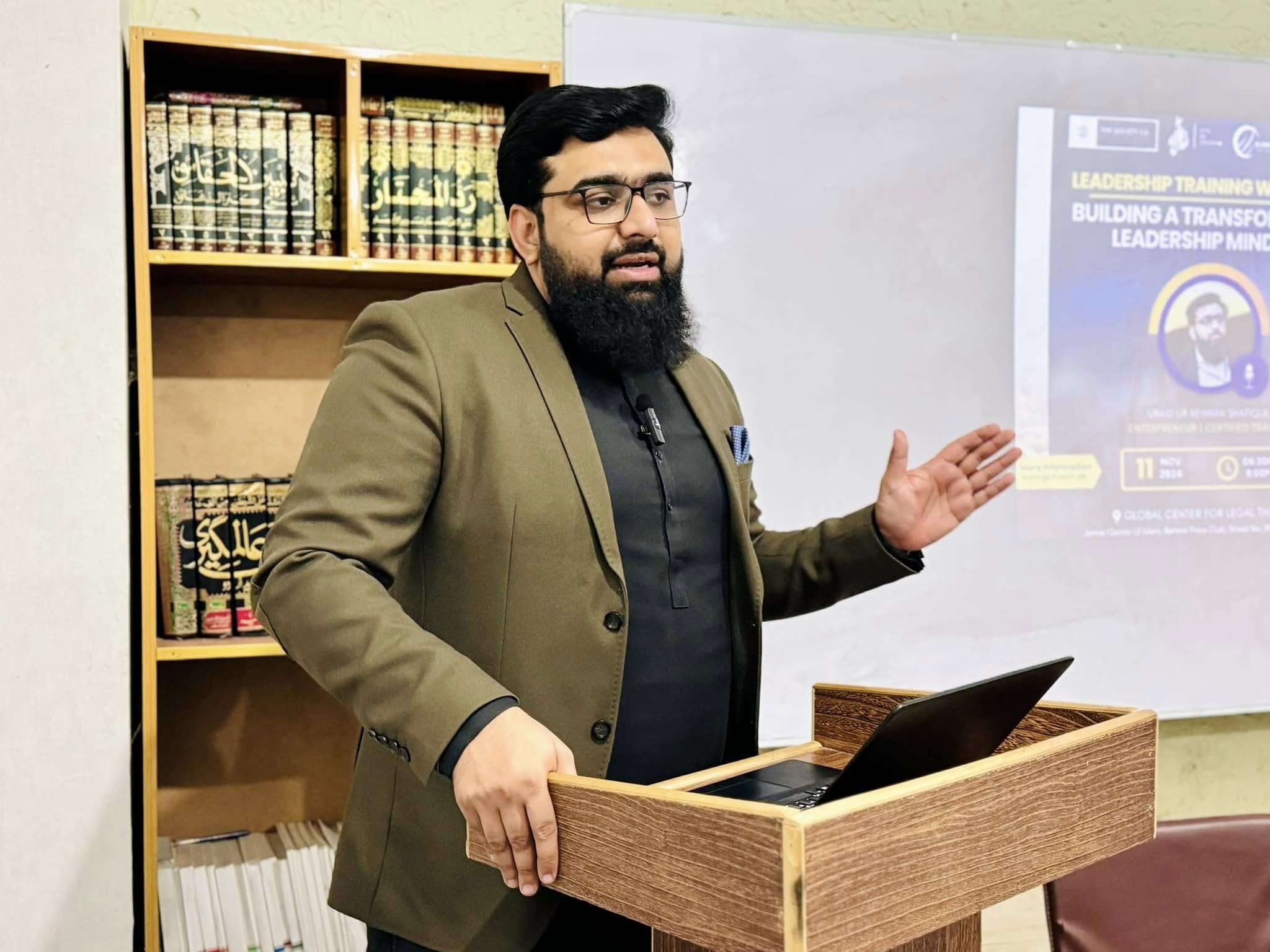
We are honored to share highlights from the recent 𝐰𝐨𝐫𝐤𝐬𝐡𝐨𝐩 on 𝐛𝐮𝐢𝐥𝐝𝐢𝐧𝐠 𝐚 𝐭𝐫𝐚𝐧𝐬𝐟𝐨𝐫𝐦𝐚𝐭𝐢𝐯𝐞 𝐥𝐞𝐚𝐝𝐞𝐫𝐬𝐡𝐢𝐩 𝐦𝐢𝐧𝐝𝐬𝐞𝐭 as Pakistan transitions to an 𝐢𝐧𝐭𝐞𝐫𝐞𝐬𝐭-𝐟𝐫𝐞𝐞 𝐟𝐢𝐧𝐚𝐧𝐜𝐢𝐚𝐥 𝐬𝐲𝐬𝐭𝐞𝐦! From exploring 𝐜𝐡𝐚𝐧𝐠𝐞 𝐦𝐚𝐧𝐚𝐠𝐞𝐦𝐞𝐧𝐭 to developing 𝐫𝐞𝐬𝐢𝐥𝐢𝐞𝐧𝐜𝐞 𝐬𝐭𝐫𝐚𝐭𝐞𝐠𝐢𝐞𝐬, participants gained invaluable insights to shape the future of 𝐏𝐚𝐤𝐢𝐬𝐭𝐚𝐧’𝐬 𝐢𝐬𝐥𝐚𝐦𝐢𝐜 𝐟𝐢𝐧𝐚𝐧𝐜𝐞.
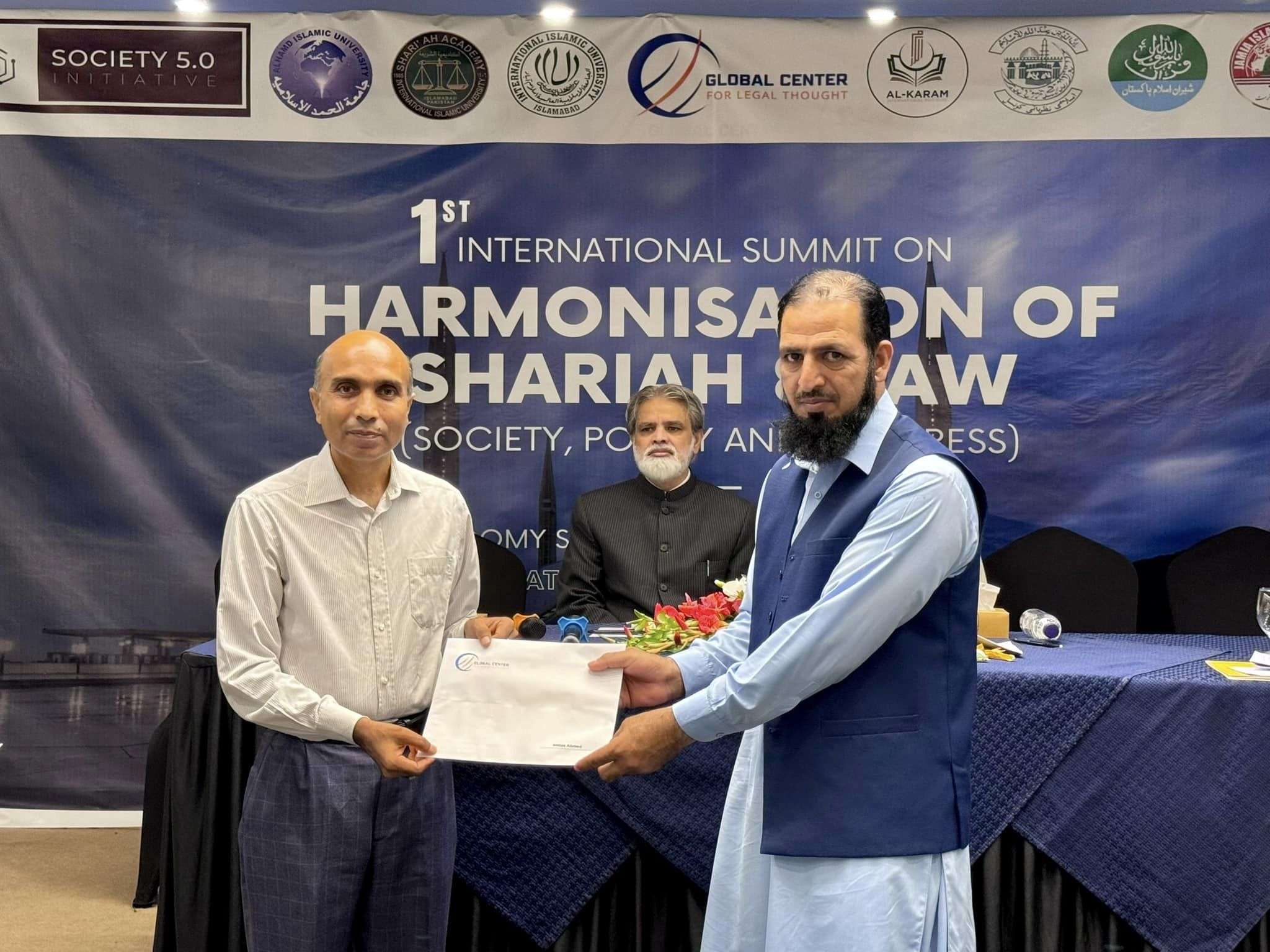
Thank you to everyone who attended, especially our 𝐟𝐞𝐚𝐭𝐮𝐫𝐞𝐝 𝐬𝐩𝐞𝐚𝐤𝐞𝐫, 𝐔𝐛𝐚𝐢𝐝 𝐔𝐫 𝐑𝐞𝐡𝐦𝐚𝐧 𝐒𝐡𝐚𝐟𝐢𝐪𝐮𝐞, for his expertise and dedication to empowering future leaders!
Swipe through for moments from this inspiring event!
 

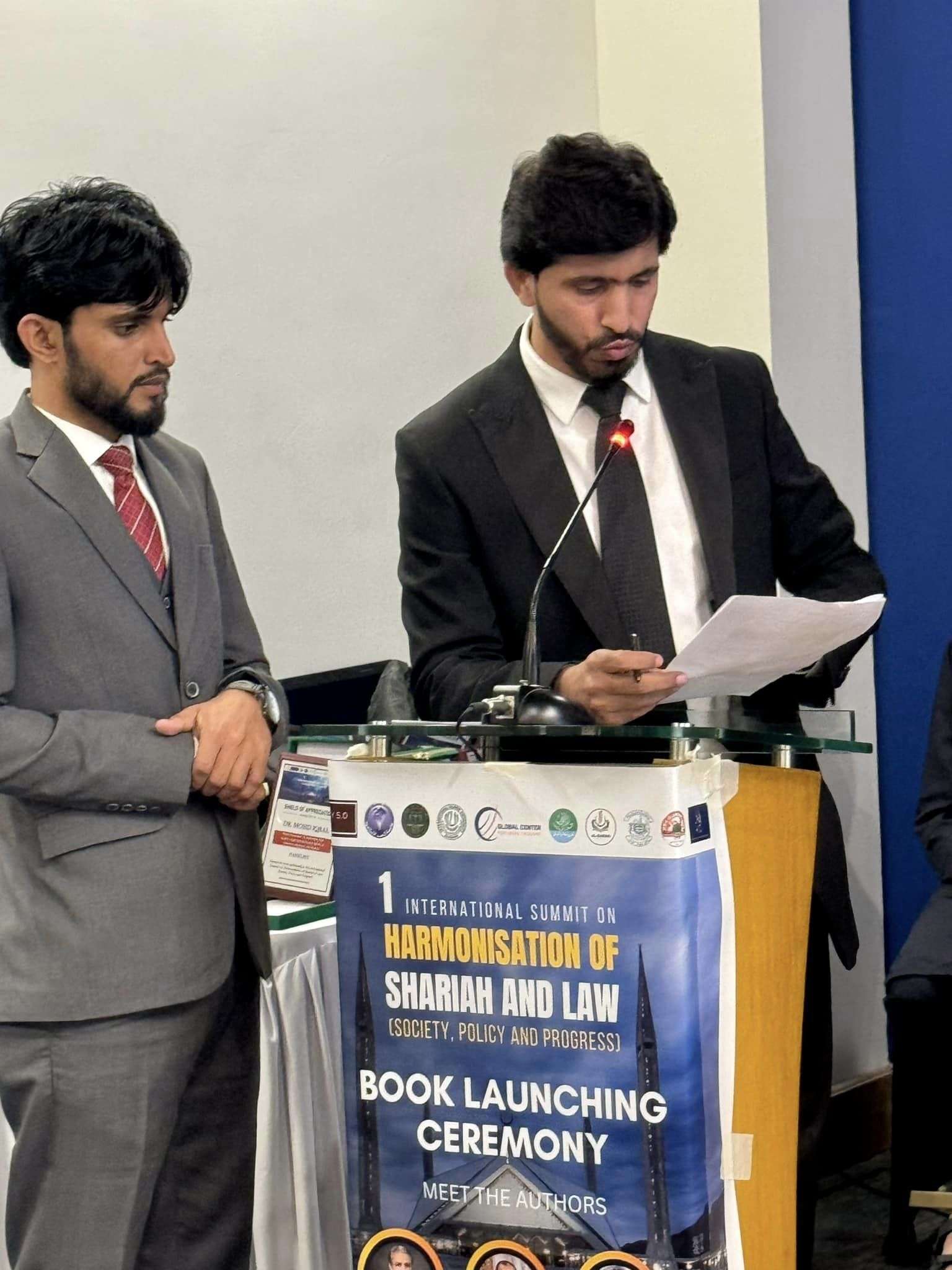
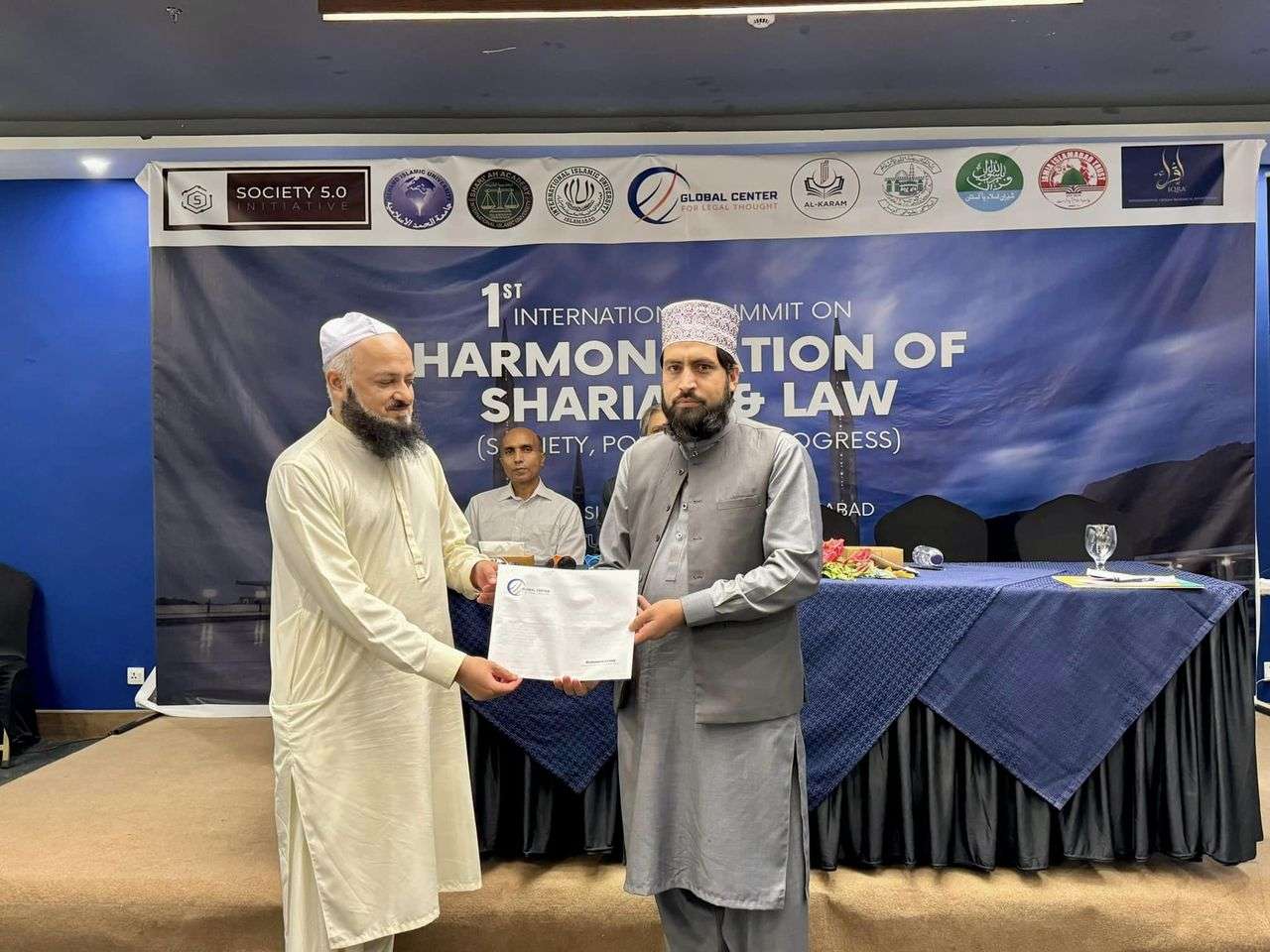
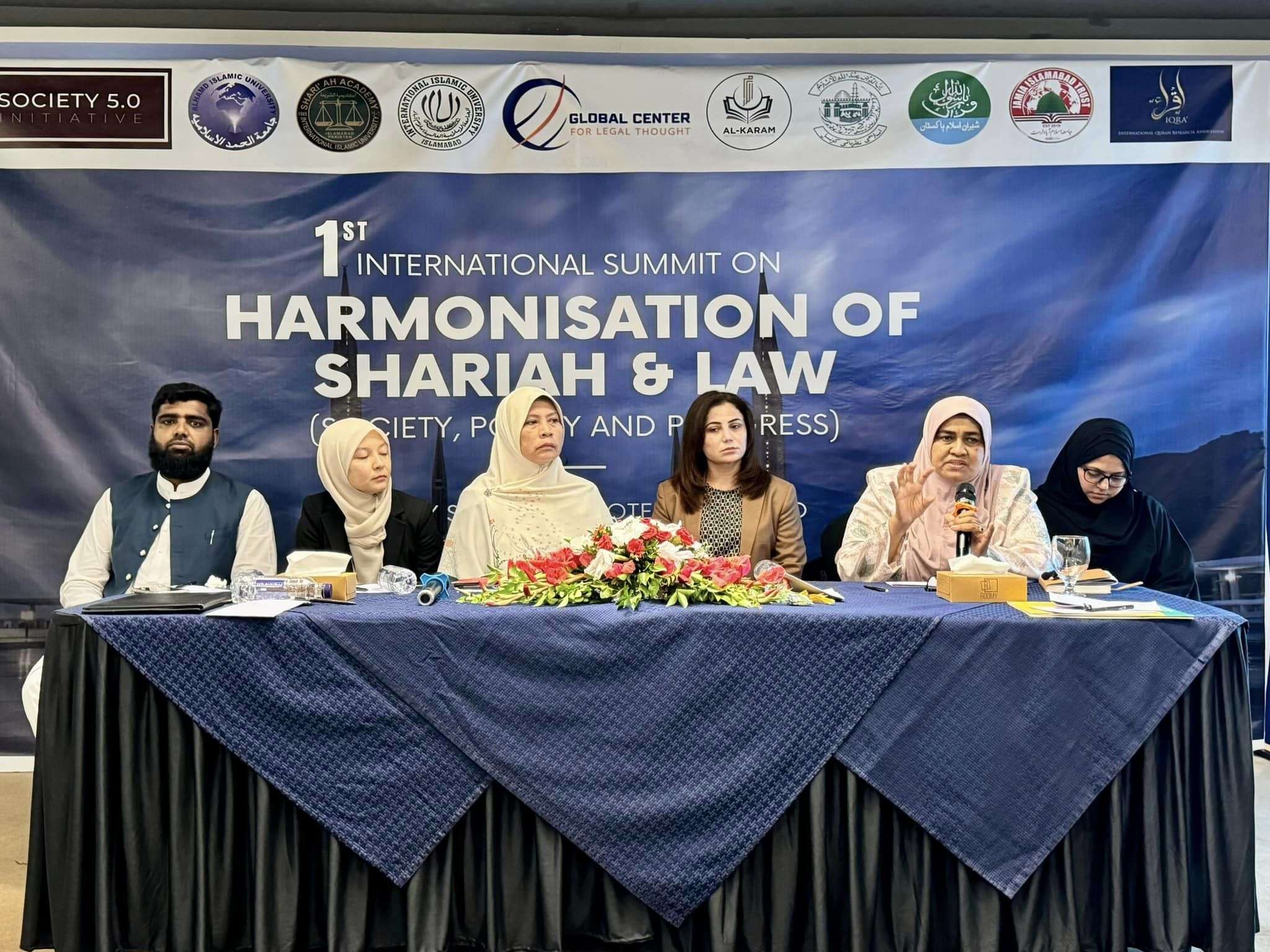
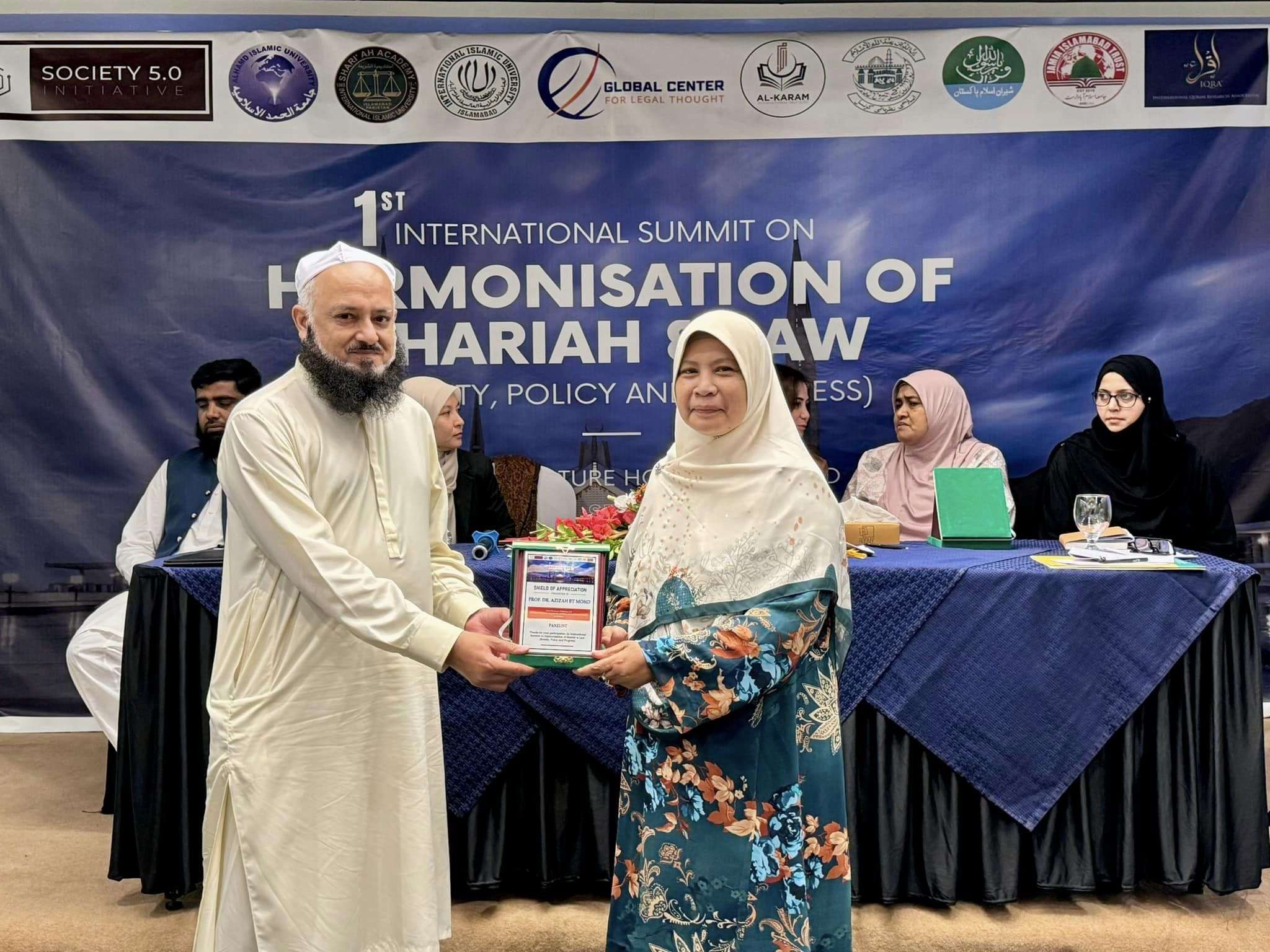
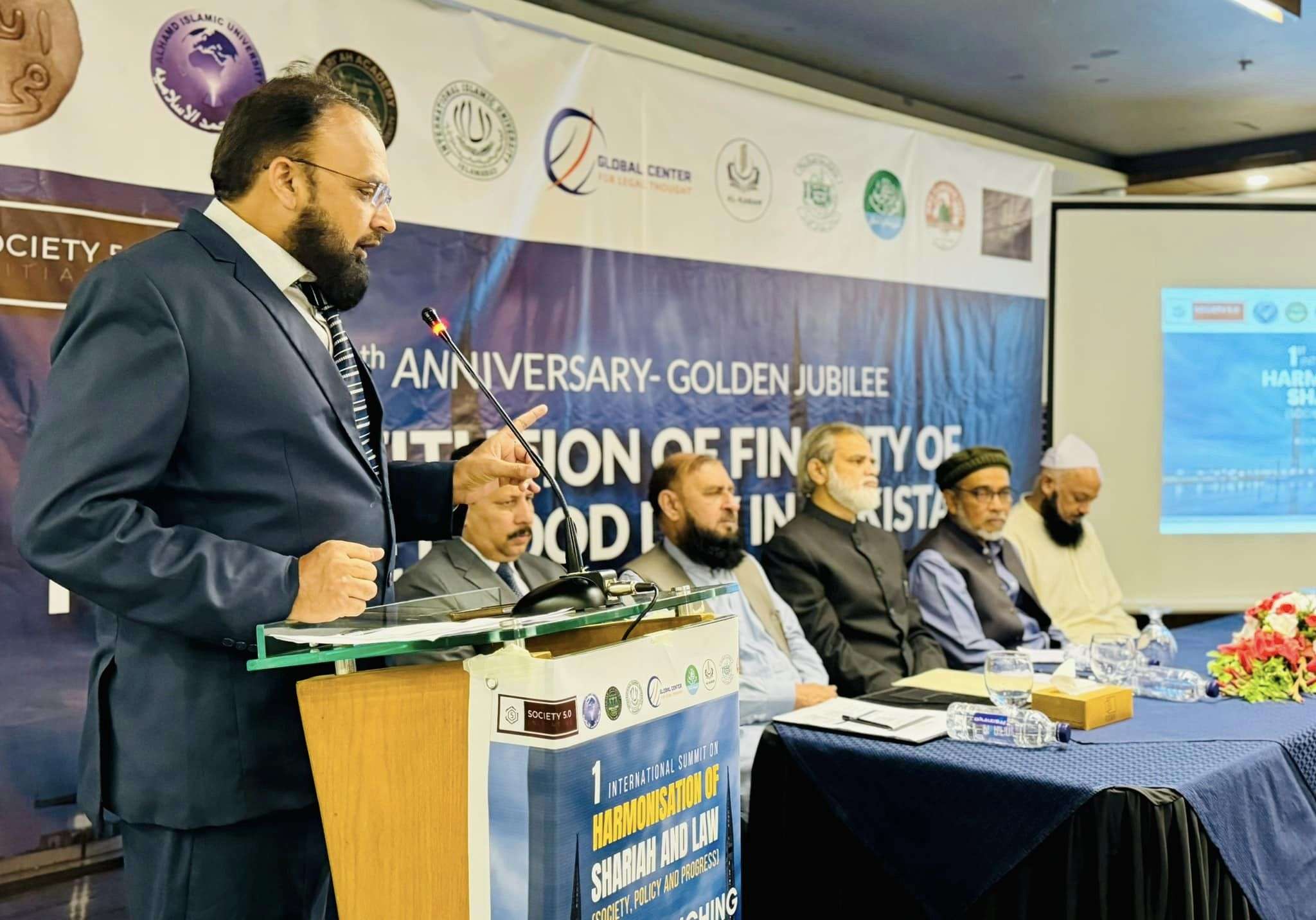
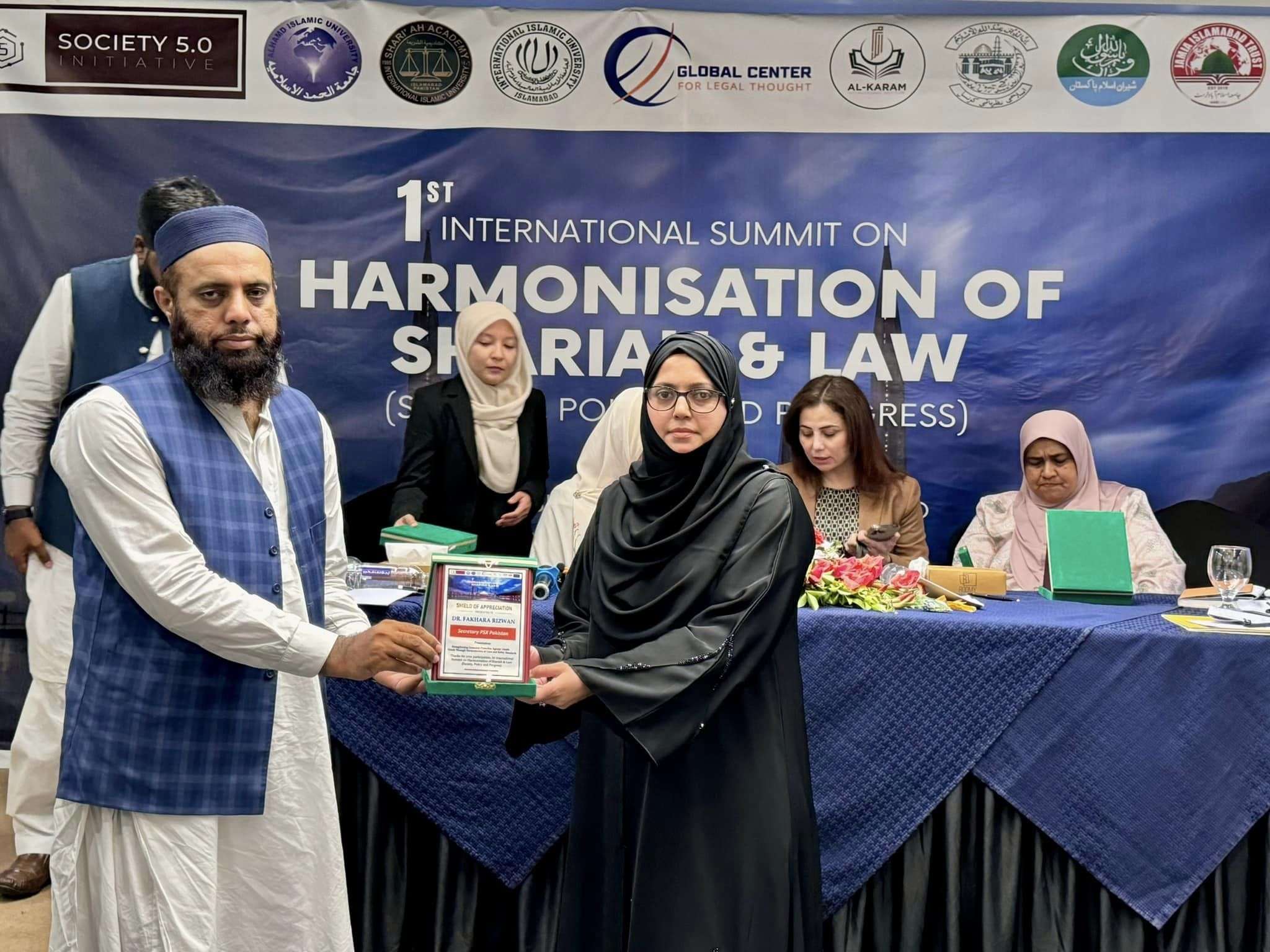
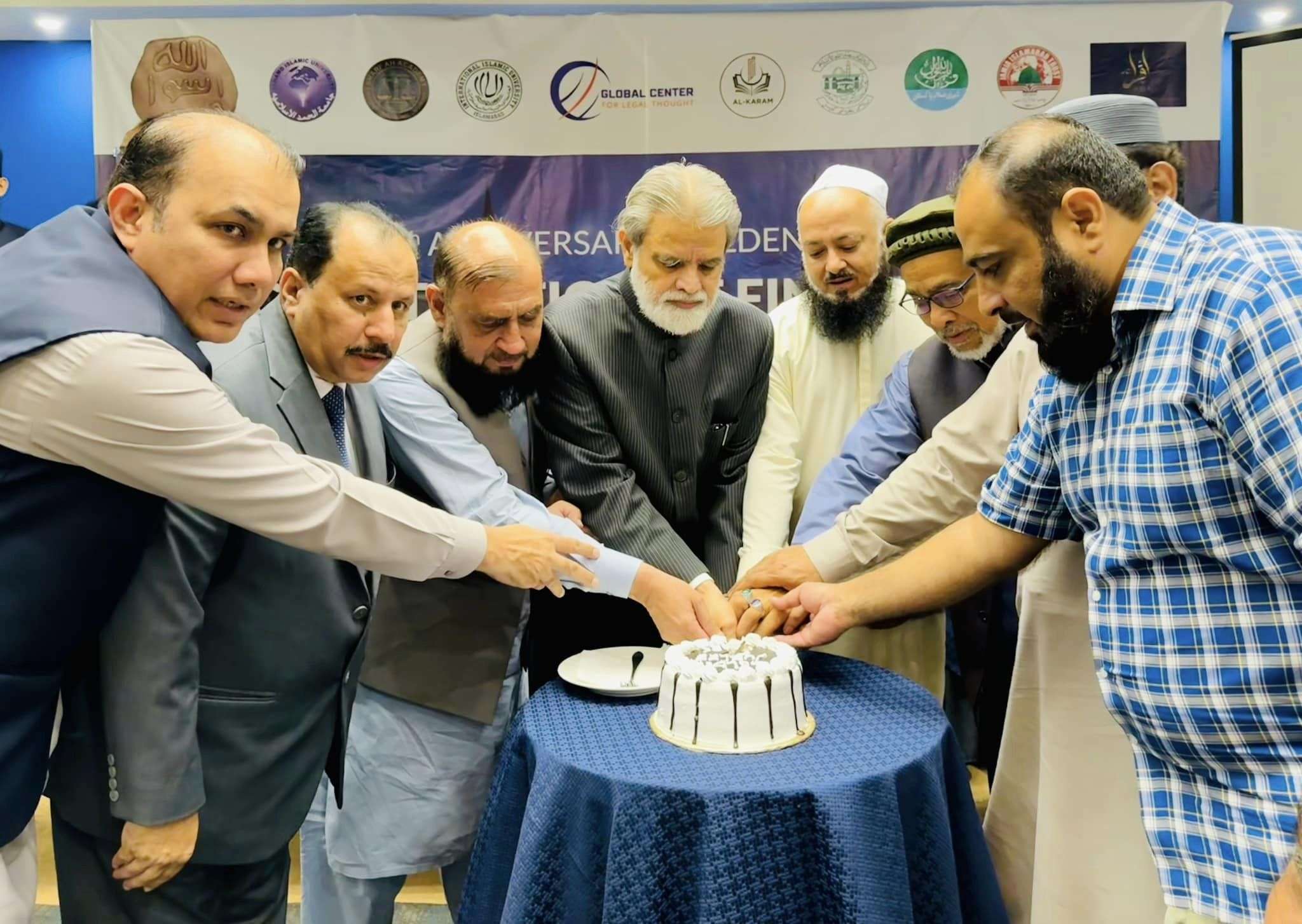
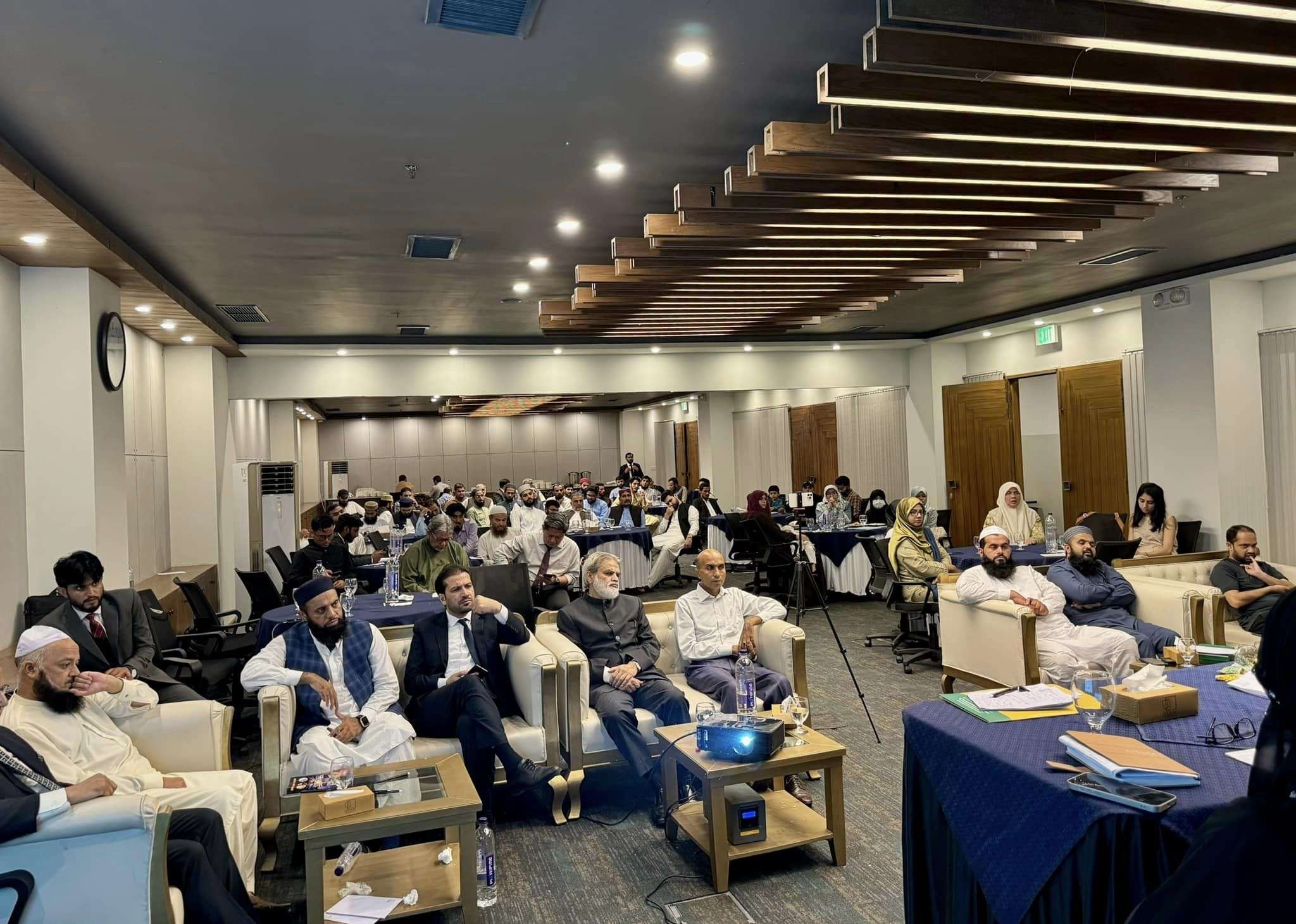
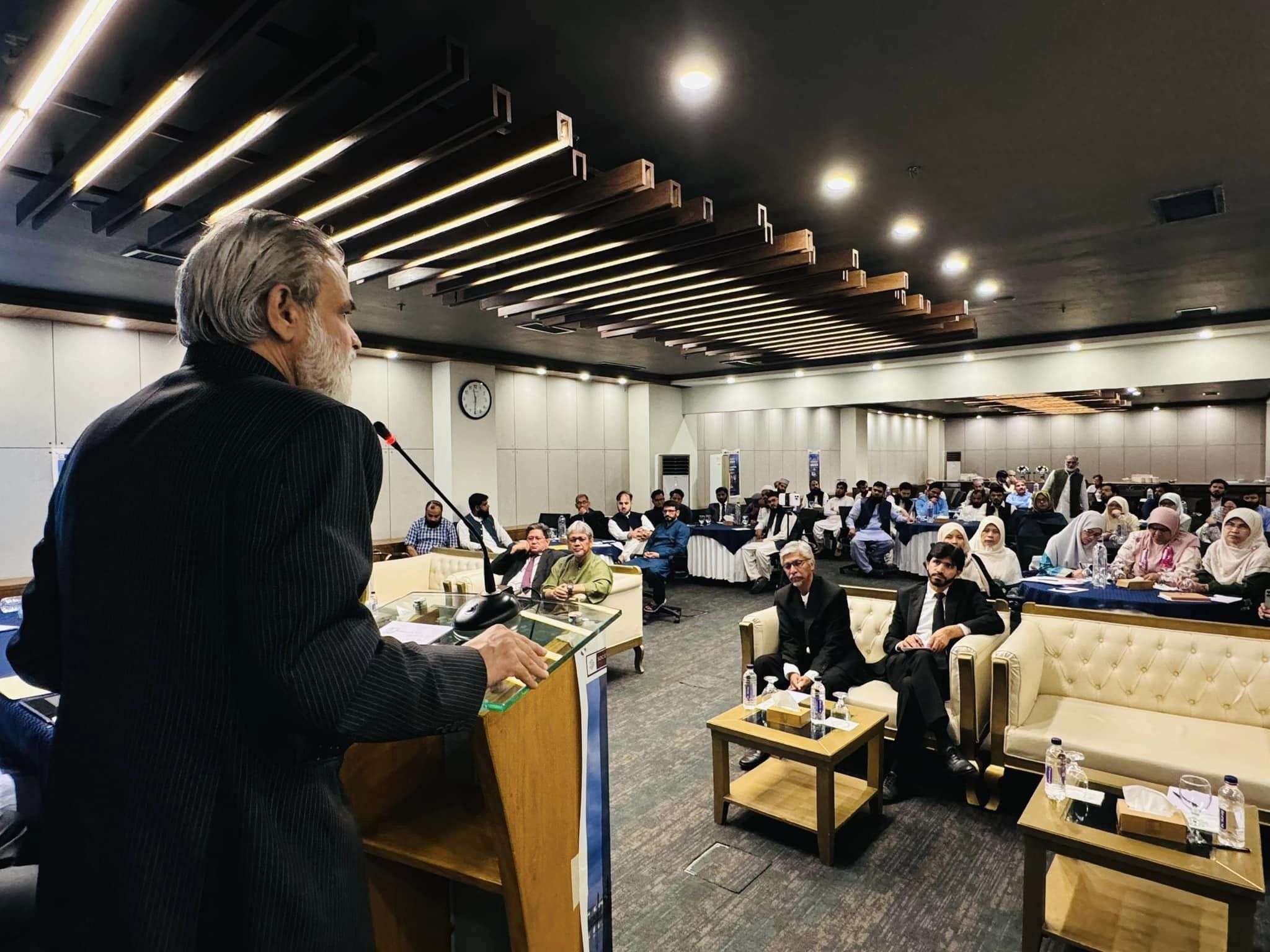
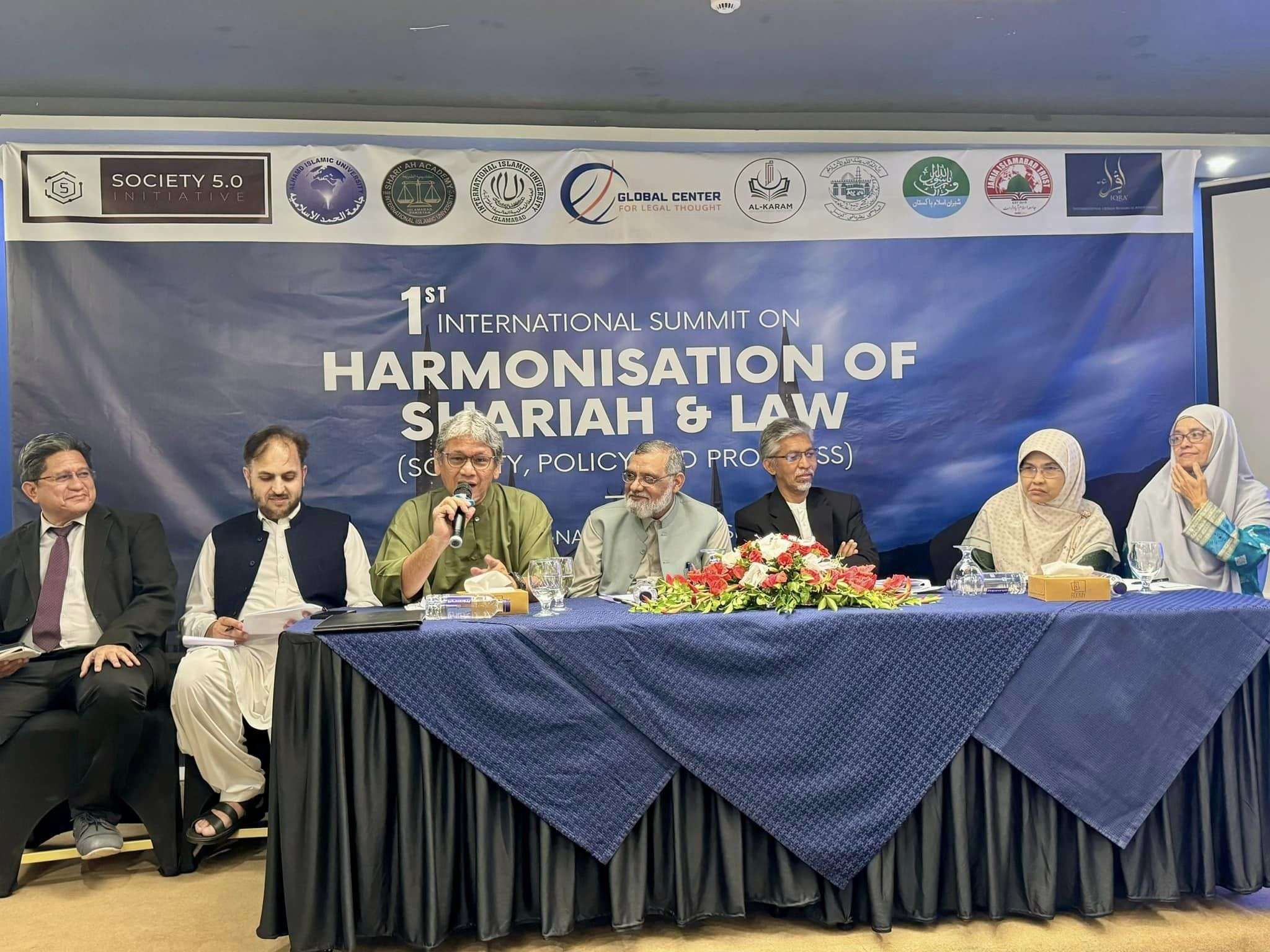
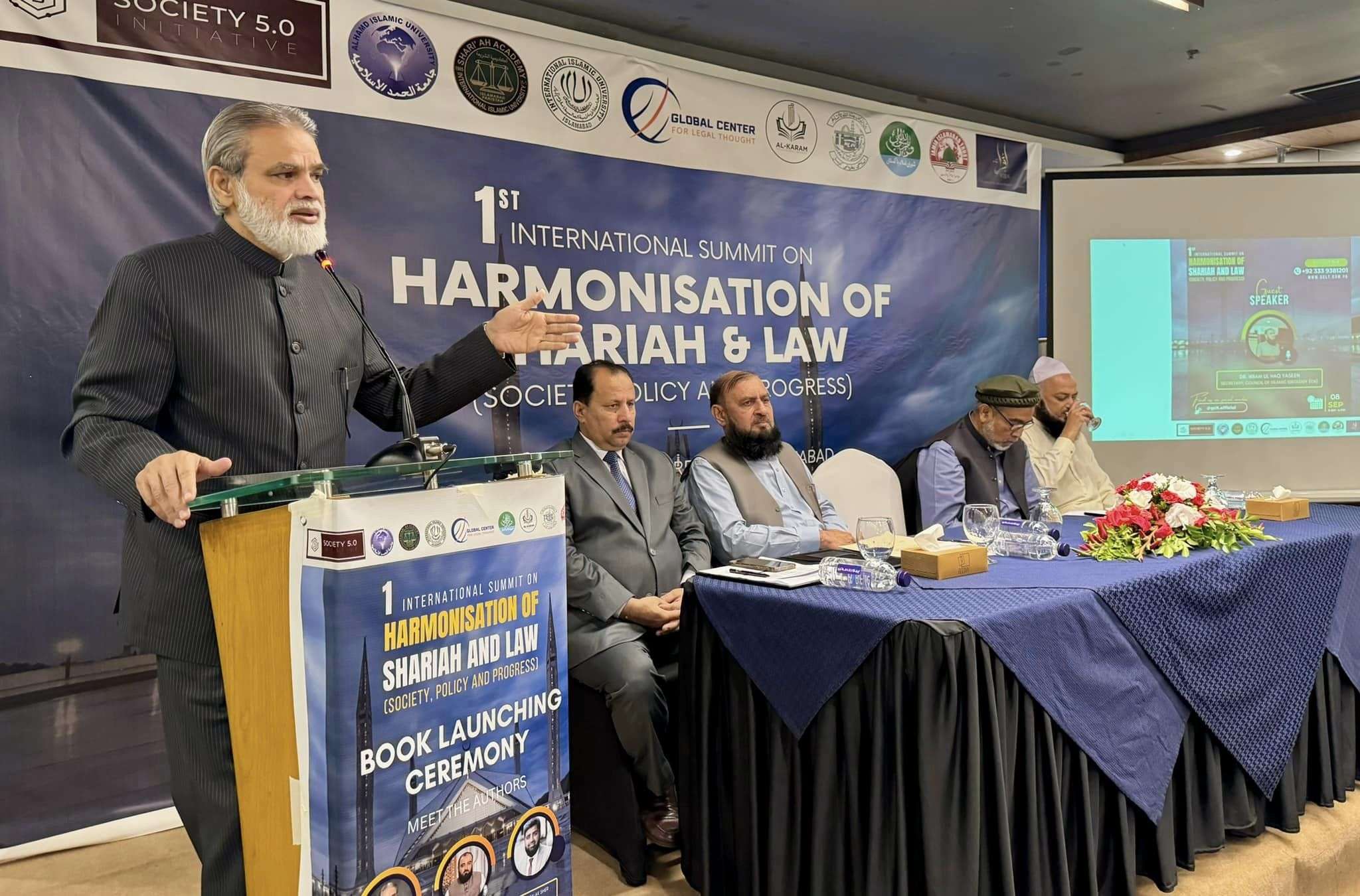
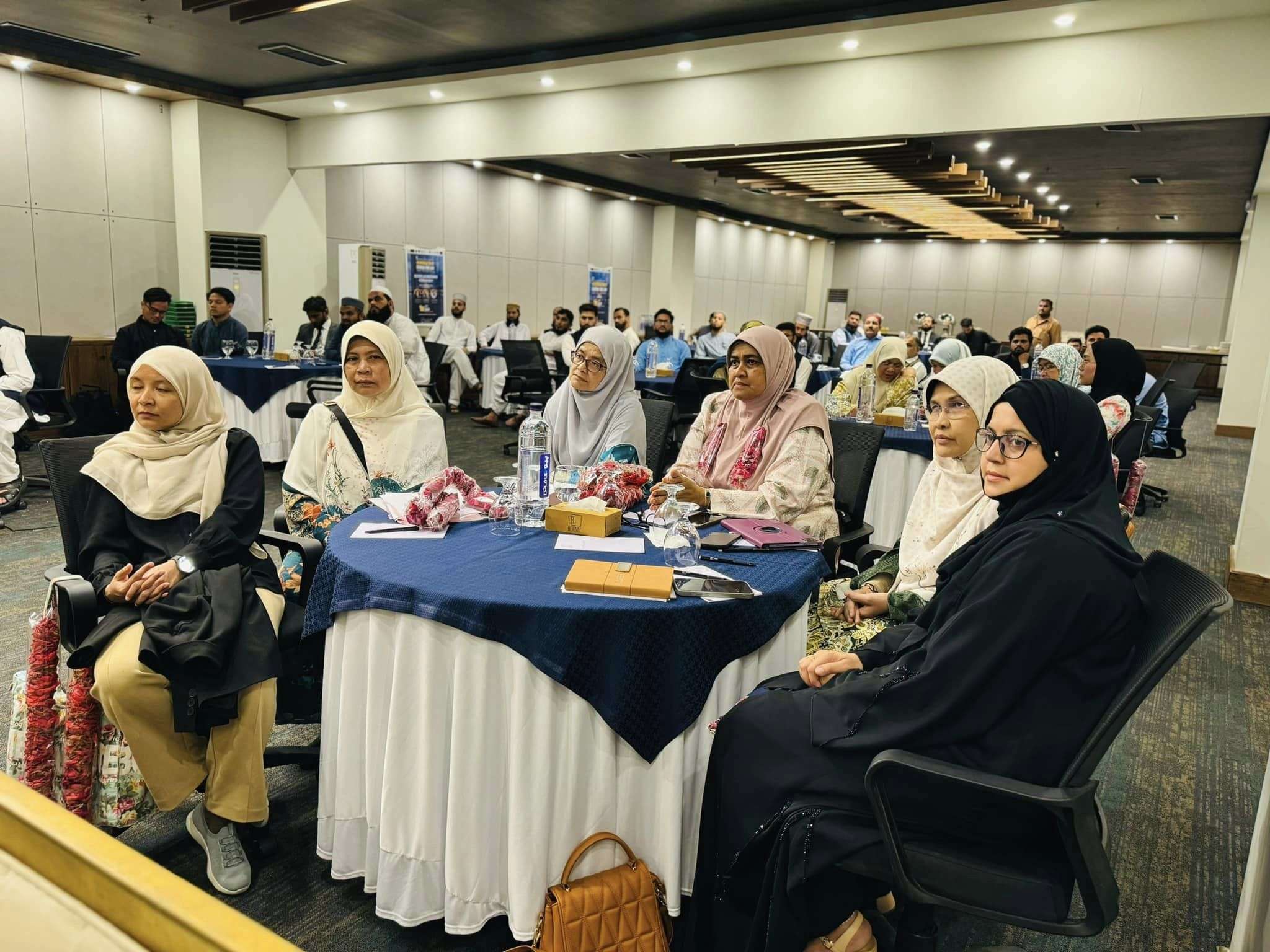
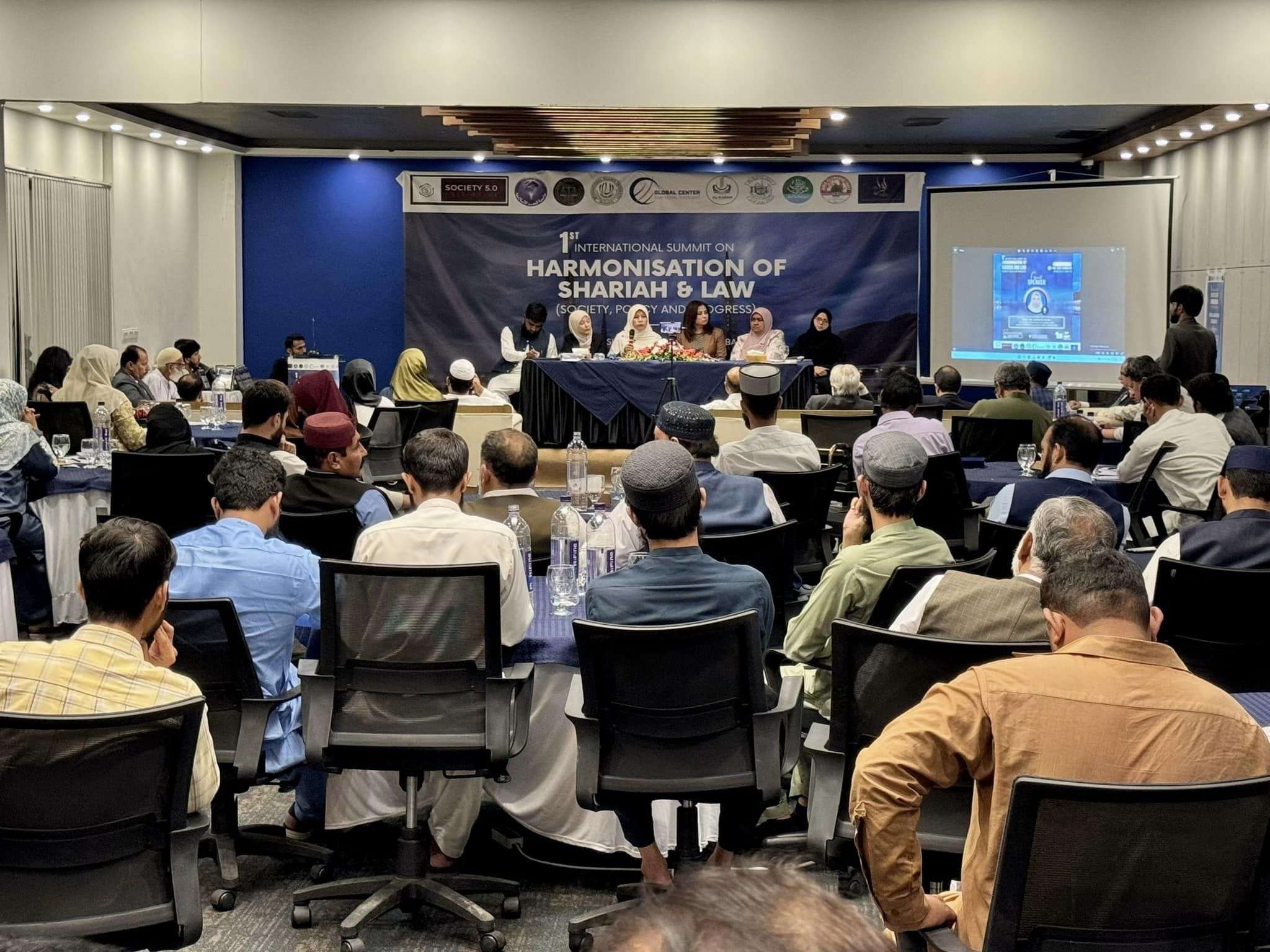
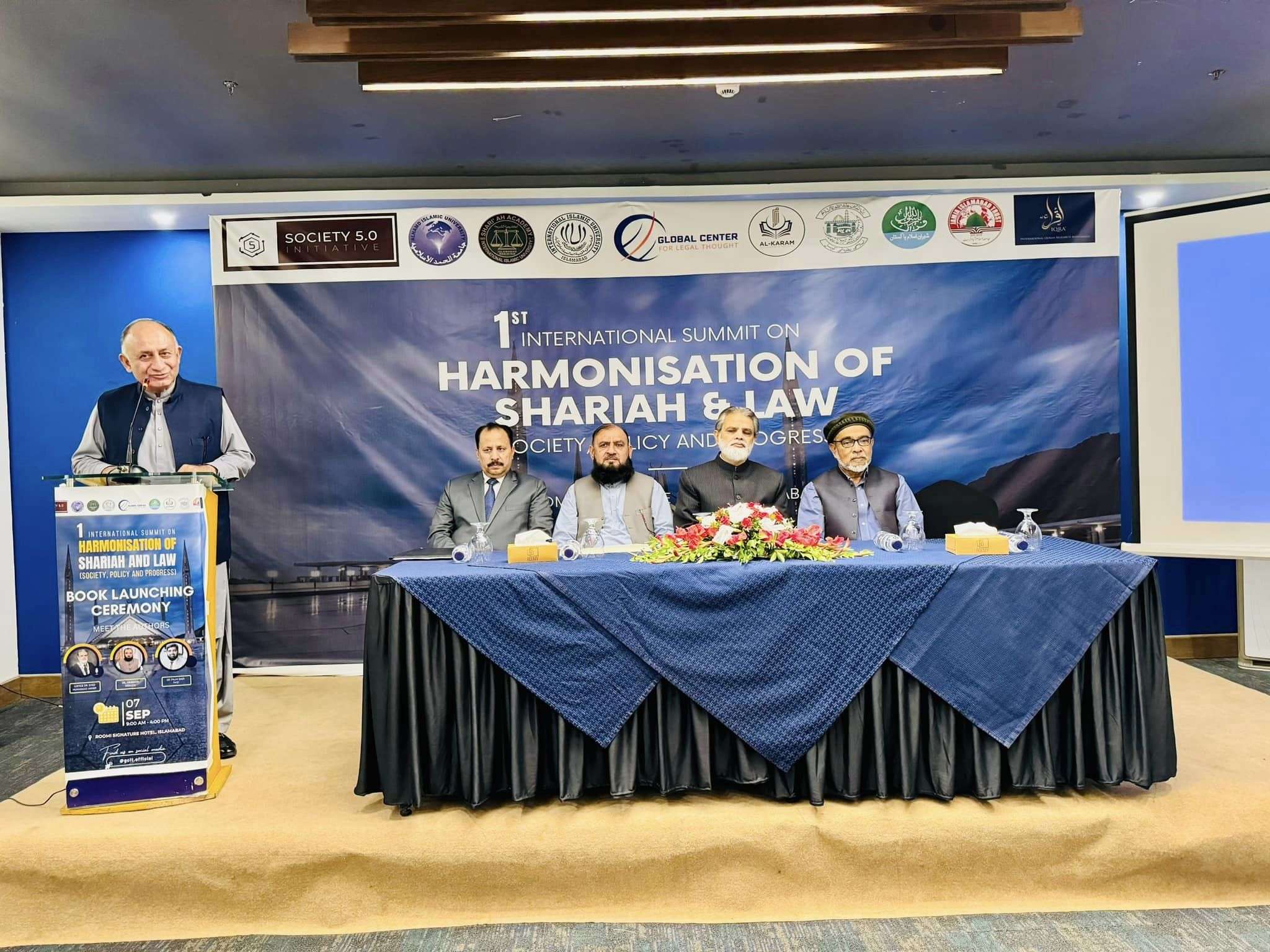
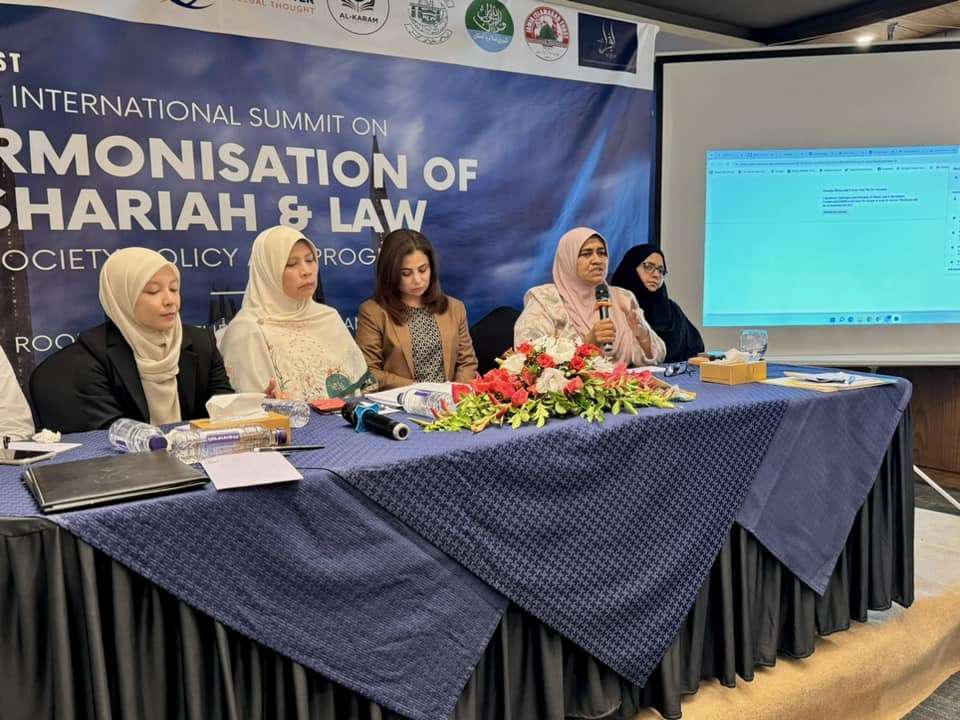
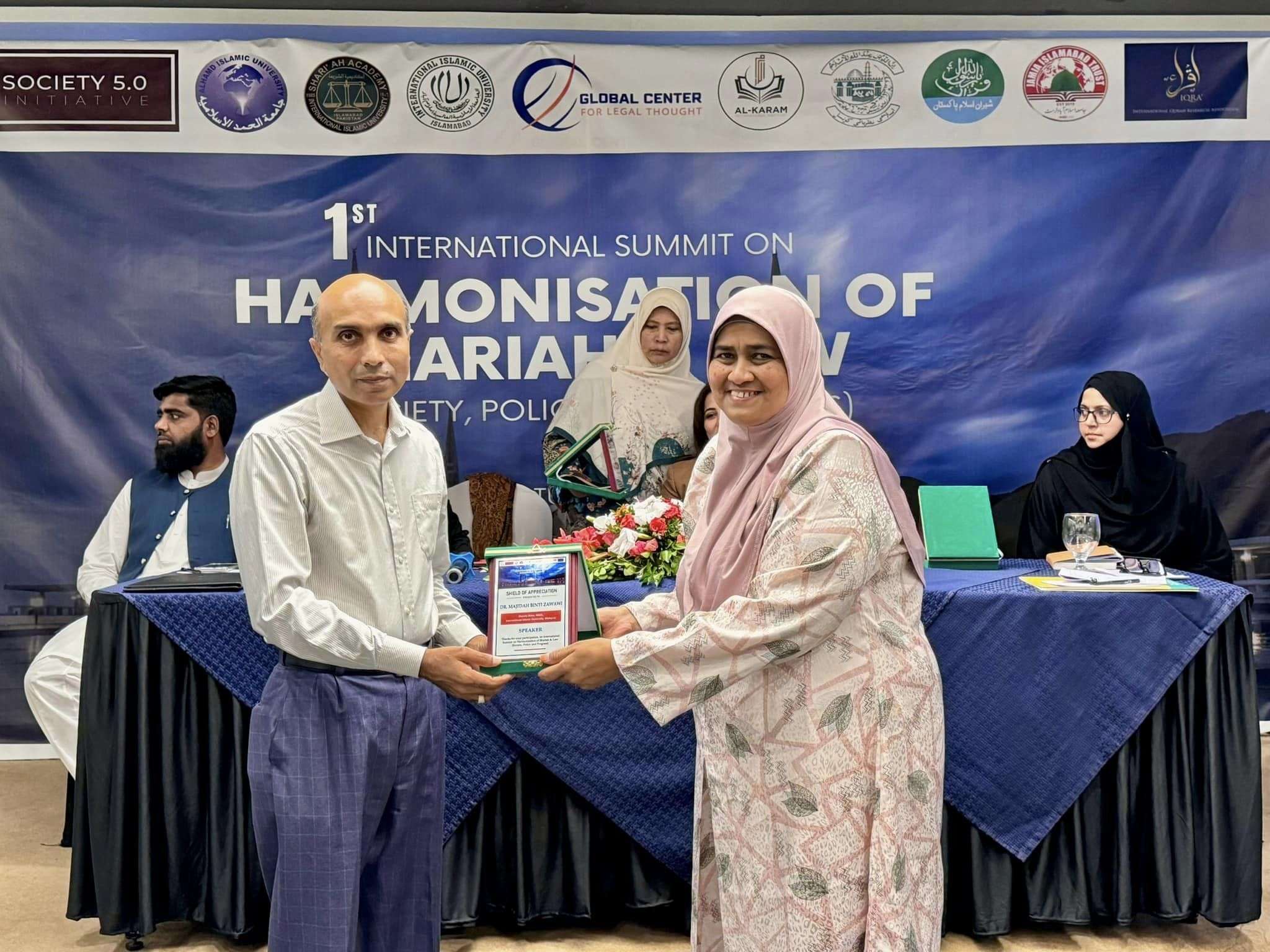
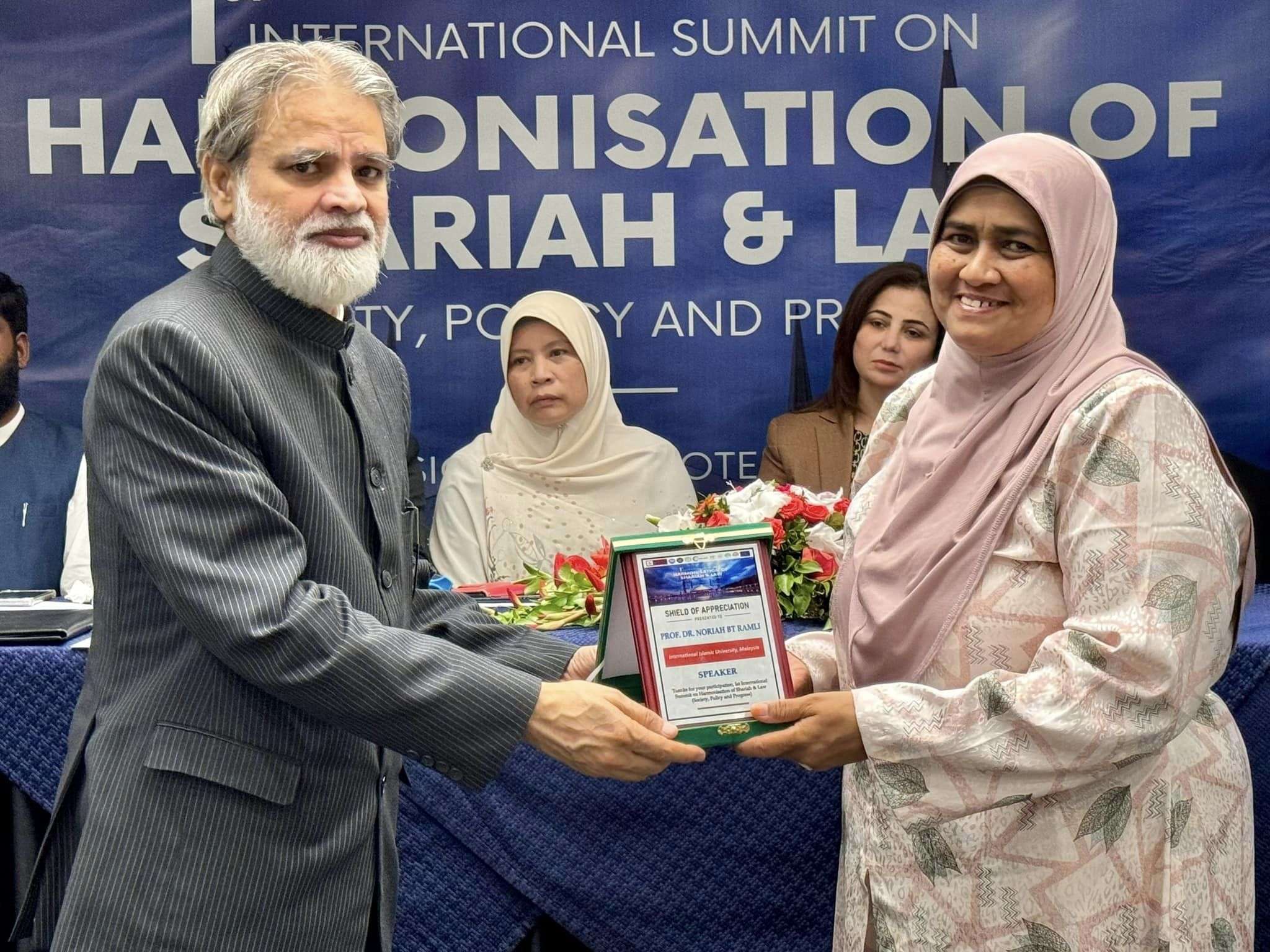
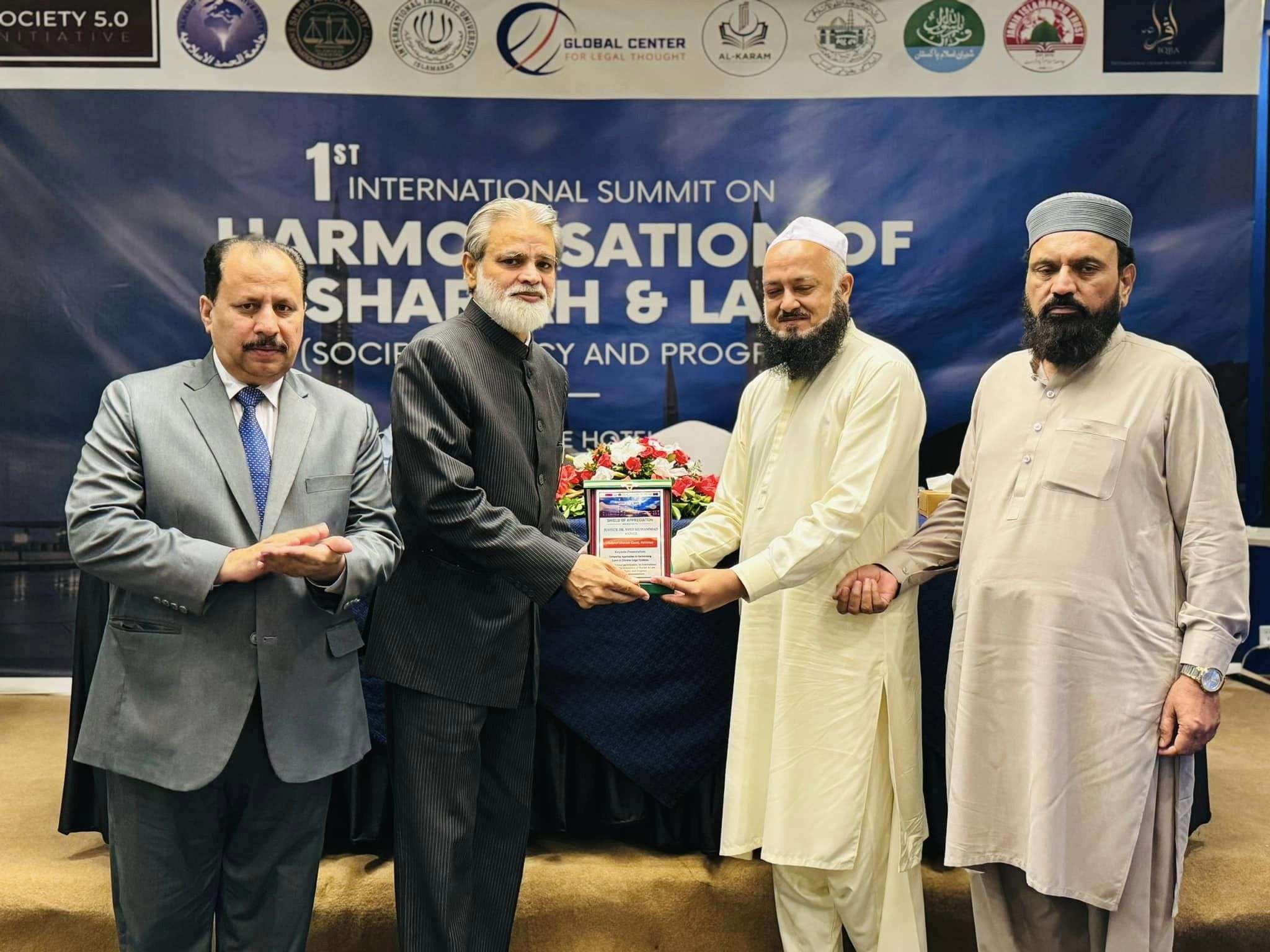
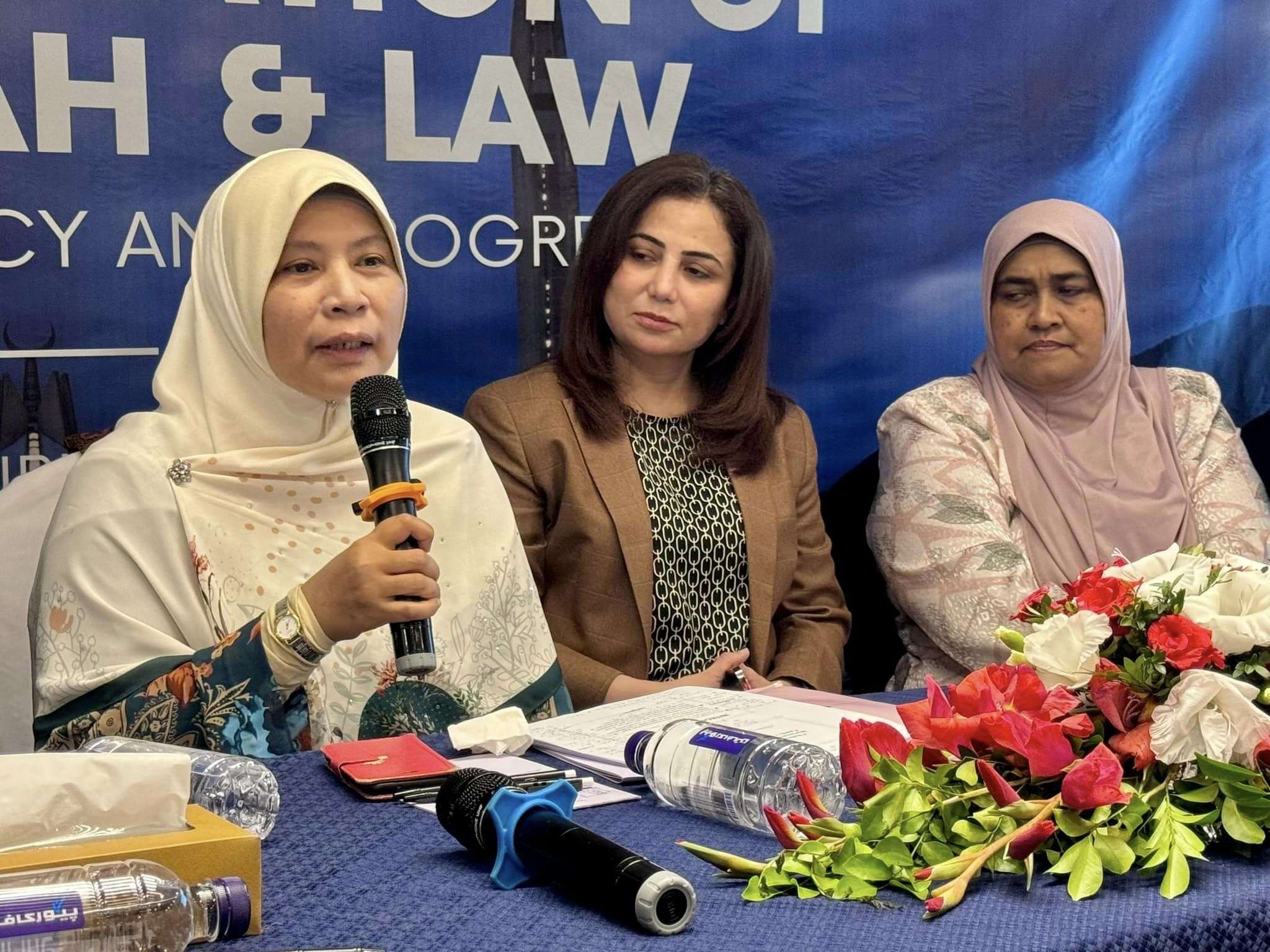
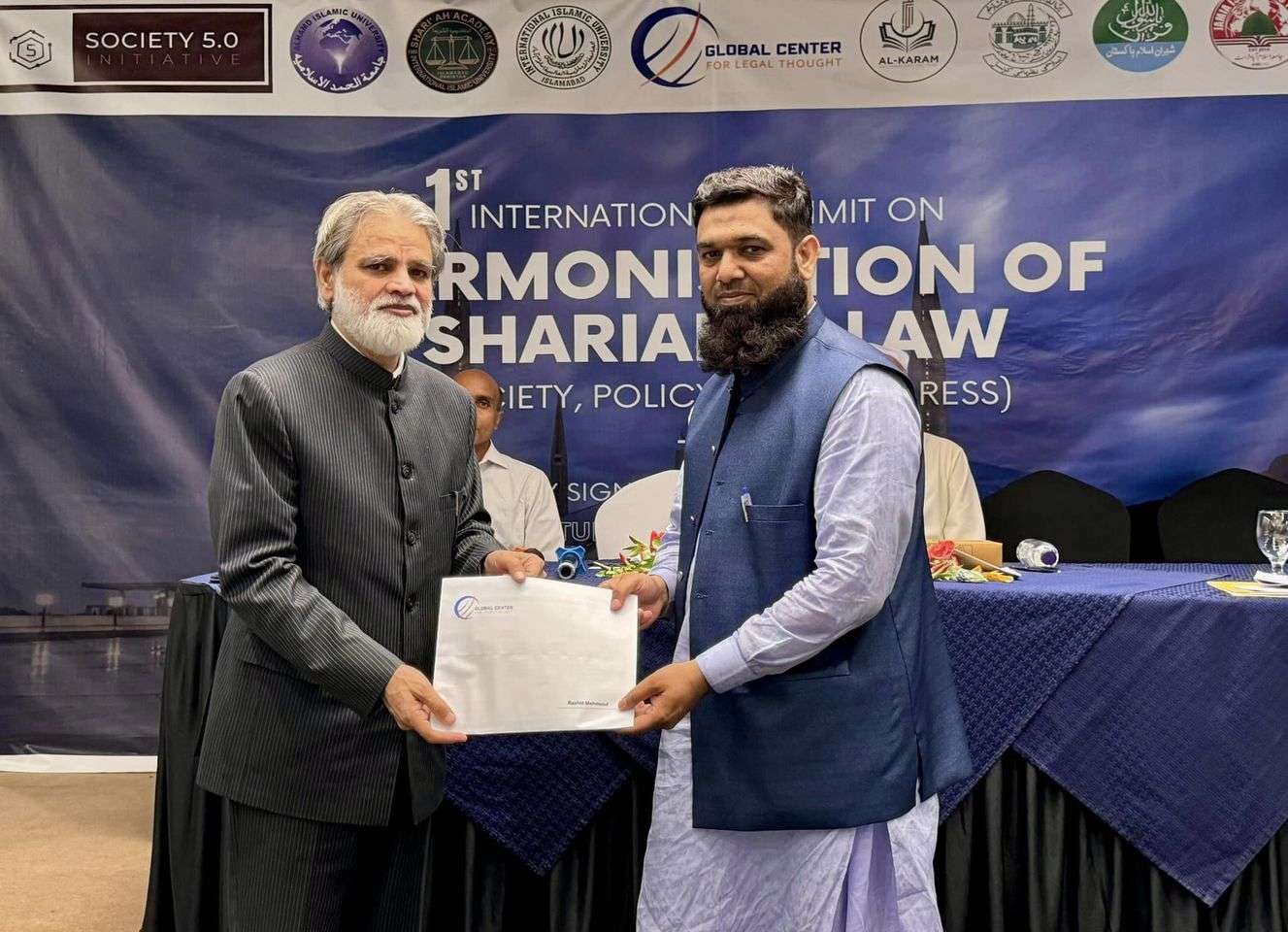
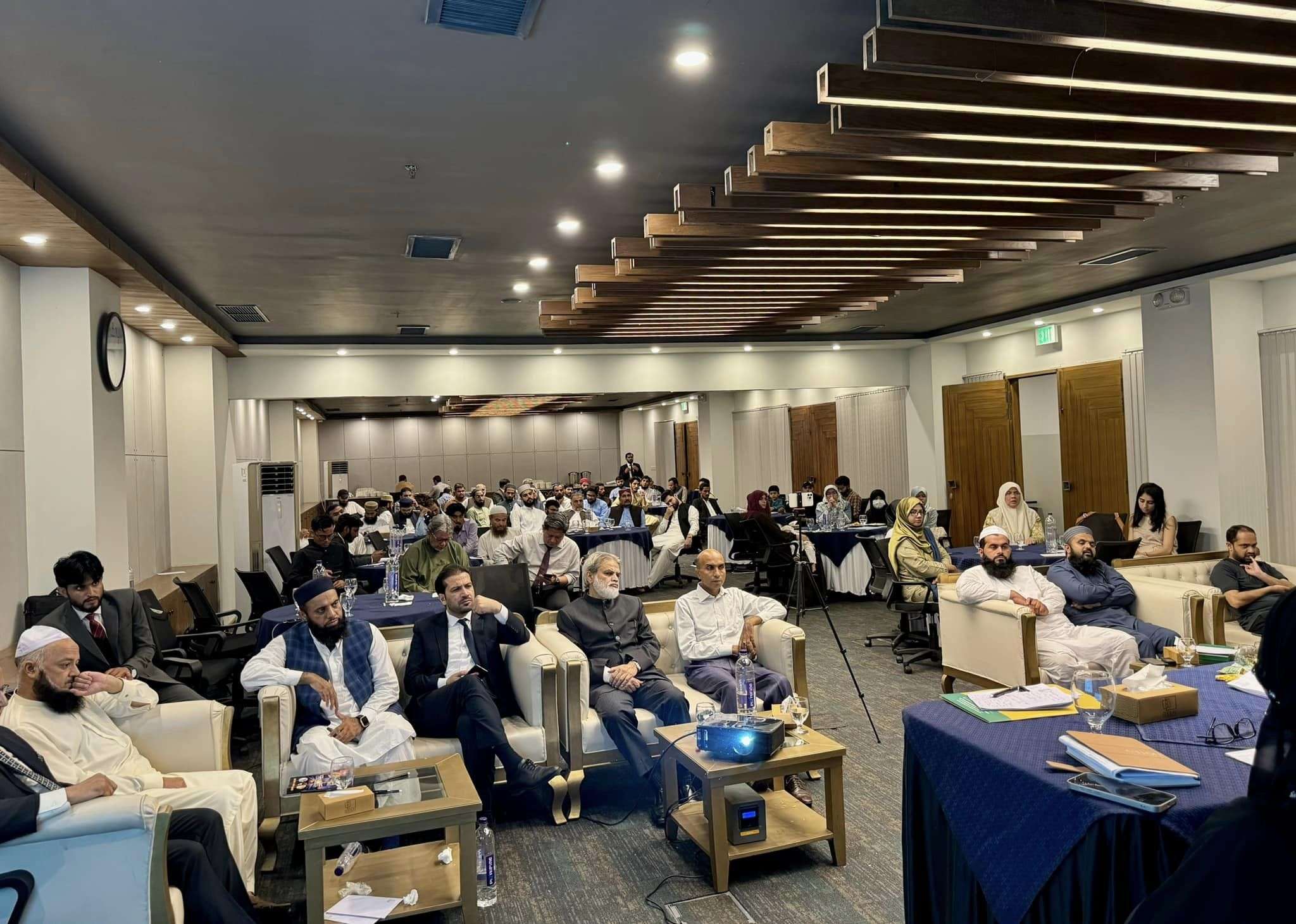
Global Summit on Harmonisation of Shari'ah and Law (GSHSL 2024)

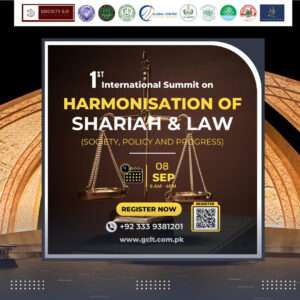
The Global Center for Legal Thought proudly presents inaugural Global Summit on Harmonisation of Shari’ah and Law (GSHSL 2024) – a premier academic forum addressing the critical nexus of Islamic jurisprudence and contemporary legal frameworks in an era of increasing global interconnectedness.
𝐒𝐮𝐦𝐦𝐢𝐭 𝐎𝐯𝐞𝐫𝐯𝐢𝐞𝐰:
In our rapidly globalizing world, the harmonization of Shari’ah and modern law is not just an academic exercise—it’s a necessity. At GSHSL 2024, we will examine the complex challenges and opportunities presented by legal convergence in Muslim-majority nations. Our distinguished speakers and panelists will explore innovative strategies for fostering cohesive legal systems that balance religious precepts with modern governance requirements.
𝐊𝐞𝐲 𝐅𝐨𝐜𝐮𝐬 𝐀𝐫𝐞𝐚𝐬:
𝟏. 𝐂𝐨𝐦𝐩𝐚𝐫𝐚𝐭𝐢𝐯𝐞 𝐀𝐧𝐚𝐥𝐲𝐬𝐢𝐬: In-depth case studies from Pakistan, Malaysia, and Nigeria, offering insights into practical harmonization efforts.
𝟐. 𝐓𝐡𝐞𝐨𝐫𝐞𝐭𝐢𝐜𝐚𝐥 𝐅𝐫𝐚𝐦𝐞𝐰𝐨𝐫𝐤𝐬: Examination of new paradigms for integrating Islamic and secular legal principles.
𝟑. 𝐈𝐧𝐭𝐞𝐫𝐝𝐢𝐬𝐜𝐢𝐩𝐥𝐢𝐧𝐚𝐫𝐲 𝐀𝐩𝐩𝐫𝐨𝐚𝐜𝐡: Incorporating perspectives from law, sociology, anthropology, and related fields to enrich the discourse.

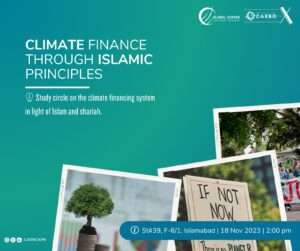
Climate Finance Through Islamic Principles

In the realm of environmental sustainability, the concept of “Climate Finance Through Islamic Principles” emerges as a compelling avenue for addressing global ecological challenges. This approach navigates the intersection of Islamic ethics and financial systems, aiming to forge solutions that align with the principles of Islam and Shariah. Grounded in the understanding that responsible stewardship of the Earth is a shared duty, this exploration seeks to uncover how Islamic finance can contribute to environmentally conscious practices and sustainable development. As we navigate the complexities of climate finance, this examination offers insights into how Islamic principles can guide financial strategies that are not only economically sound but also environmentally responsible.

How can Islamic principles be effectively integrated into climate finance mechanisms to foster environmentally sustainable practices while adhering to Shariah compliance?

The Role and Responsibilities of Women in the Safeguarding of Religion (in the context of the Battle of Karbala)

In the profound historical context of the Battle of Karbala, the role and responsibilities of women in safeguarding religion emerge as a compelling and significant narrative. This pivotal event in Islamic history, marked by the tragic martyrdom of Imam Hussain, unfolds a unique perspective on the contributions of women in preserving the essence of faith. Beyond conventional roles, the women of Karbala exhibited unwavering strength, resilience, and a profound commitment to upholding the values inherent in their religious beliefs. Exploring the multifaceted responsibilities shouldered by these women provides valuable insights into the broader discourse surrounding the intertwining of gender, spirituality, and societal resilience within the fabric of religious history.

How did the women of Karbala shape and redefine traditional gender roles during the Battle, illustrating their pivotal role in safeguarding religious values?
What enduring lessons can be extracted from the experiences of these women, and how do these lessons resonate with contemporary discussions on women’s roles in religious preservation?

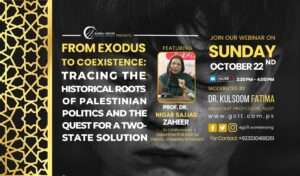
From Exodus to Coexistence: Tracing the Historical Roots of Palestinian Politics & the Quest for a Two-State Solution

In the ongoing discourse surrounding the Israeli-Palestinian conflict, recent actions in the Gaza Strip and broader Israeli policies have become focal points, inviting a comprehensive exploration of their impact on the Palestinian people and their quest for a sovereign state. The humanitarian crisis unfolding in the region and the systemic challenges faced by Palestinians is one that needs immediate attention. The discourse also addresses the crucial role of the international community in mitigating these challenges and contributing to a resolution. Simultaneously, the discussion extends to an analysis of the potential of the international legal framework and global institutions in facilitating peace negotiations and safeguarding the rights and security of all involved parties. By situating the conversation within a global context, this framework underscores the importance of diplomatic and legal mechanisms in navigating the complexities of the conflict. Furthermore, the exploration of the historical context of Palestinian politics forms an integral part of the theoretical background, emphasizing the significance of historical awareness in shaping strategies for a peaceful resolution. This context underscores the need for a comprehensive approach that acknowledges past injustices, fostering a nuanced understanding that can pave the way for sustainable and just solutions in the pursuit of coexistence and peace.

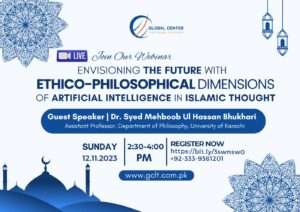
Envisioning the Future with Ethico-Philosophical Dimensions of Artificial Intelligence in Islamic Thought

In the contemporary intersection of technology and ethics, the incorporation of Islamic philosophical principles into discussions surrounding artificial intelligence (AI) has emerged as a critical and timely inquiry. The question of how ethical principles from Islamic philosophy can inform the development and utilization of AI technologies has opened avenues for nuanced explorations into justice, beneficence, and the sanctity of human life, as imparted by Islamic ethics. Participants engaging in these discussions have delved into the ways in which these principles can guide the ethical deployment of AI, emphasizing considerations of justice and human well-being throughout the technology’s lifecycle. Moreover, the dialogue extends to the pivotal question of ensuring harmony between AI technologies and Islamic ethical values, sparking conversations on embedding these values at every stage, from conception to deployment. The societal impacts of AI, viewed through an Islamic ethical lens, have prompted reflections on issues such as privacy, autonomy, and social equity, leading to a comprehensive exploration of potential mitigation strategies. As the discourse unfolds, the examination of how Islamic thought can contribute to the global discourse on AI ethics has underscored the potential of Islamic ethical principles to enrich and diversify conversations on the ethical implications of AI, advocating for a universally inclusive approach to ethical governance in technology.

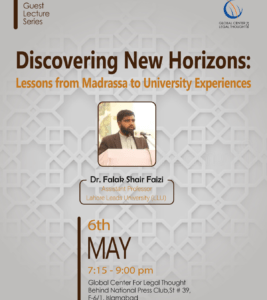
Discovering New Horizons: Lessons from Madrassa to University Experience

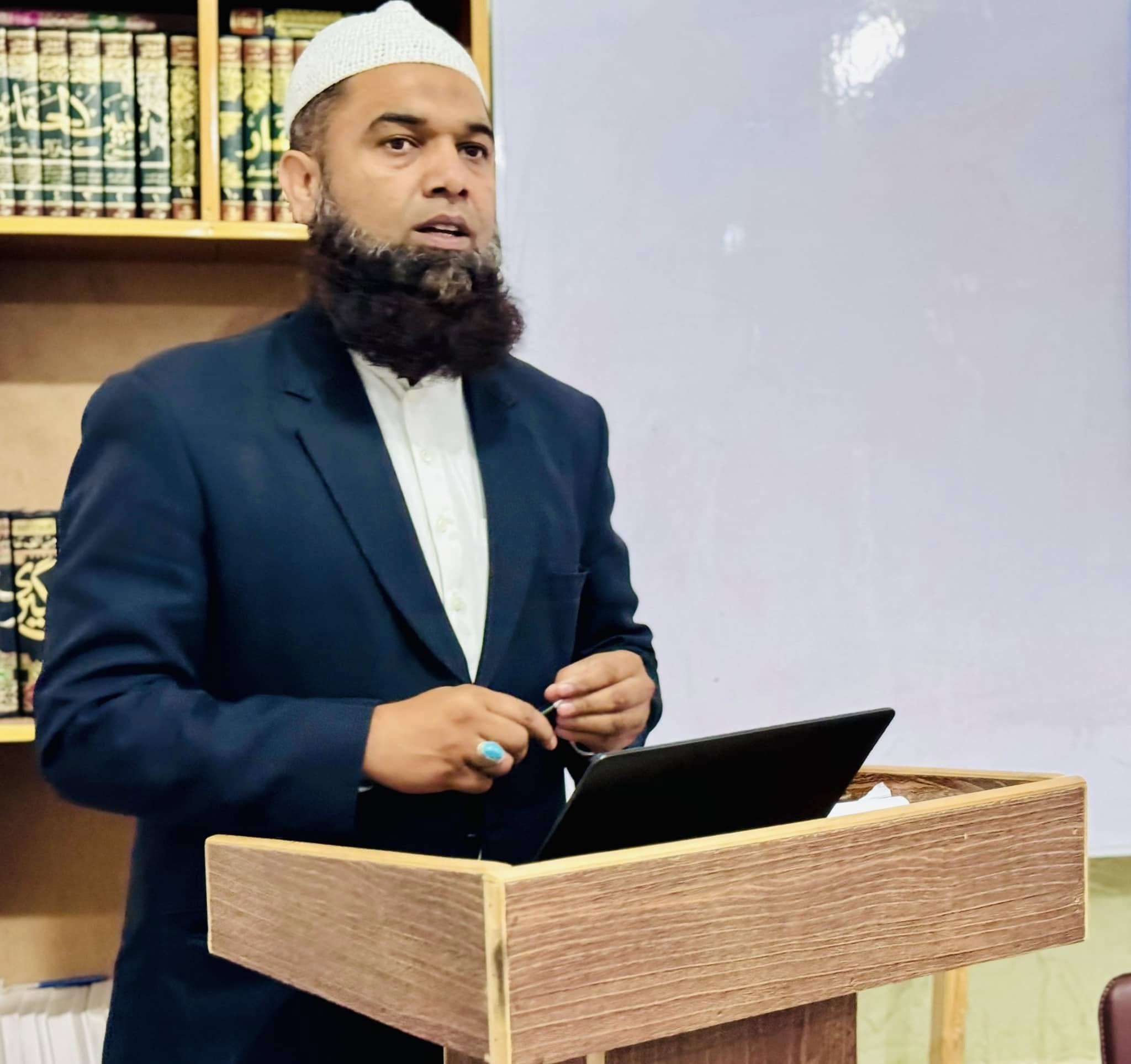
On May 6th, 2023, the Global Center for Legal Thought (GCLT) hosted an extraordinary evening that left attendees inspired and enlightened. The event, entitled “Discovering New Horizons: Lessons from Madrassa to University Experience,” featured Dr. Falak Sher Faizi, Assistant Professor at Lahore Leads University, who shared his personal journey of growth and the transformative power of education.

Dr. Faizi effortlessly captivated the audience with his unique perspective on the transition from Madrassa to university. Drawing upon his own experiences, he delved into profound insights and invaluable lessons, illuminating how education can shape an individual’s life and pave the way for new opportunities.


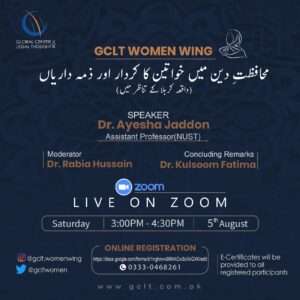
Intersection of Culture, Religion, and Women's Spirituality

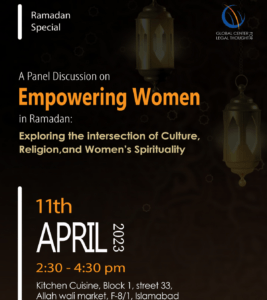
On April 11, 2023, the Global Center for Legal Thought (GCLT) organized an engaging panel discussion under the title “Empowering Women in Ramadan: Exploring the Intersection of Culture, Religion, and Women’s Spirituality.” This enlightening event took place at Kitchen Cuisine in F-8/1, Islamabad, drawing a diverse audience eager to delve into the multifaceted roles of women during the holy month of Ramadan.

The discussion was skillfully moderated by Dr. Kulsoom, an Assistant Professor at the National University of Science and Technology (NUST), who expertly guided the conversation towards a deeper understanding of the topic.


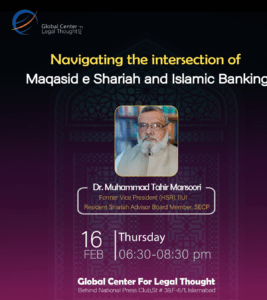
Navigating the Intersection of Maqasid e Shariah and Islamic Banking

Islamic banking holds significant global importance due to its unwavering commitment to Shariah principles. Yet, the practical implementation of these principles presents a labyrinth of challenges. In a quest to navigate these complexities and unlock the potential for aligning banking practices with the broader objectives of Shariah, the Global Center for Islamic Finance (GCLT) organized a thought-provoking session on February 16, 2023.

Stepping into the spotlight as the distinguished keynote speaker was none other than Dr. Muhammad Tahir Mansoori. With an illustrious background as a former Vice President (HSR) at IIUI and a Resident Shariah Advisor Board Member at SECP, Dr. Mansoori graced the event with his invaluable expertise, unfurling insights and perspectives that set minds ablaze.


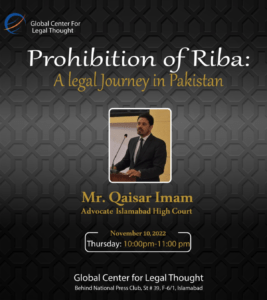
Prohibition of Riba: A Legal Journey in Pakistan

On Thursday, November 10th, 2022, the Global Center for Legal Thought (GCLT) hosted a thought-provoking seminar titled “Prohibition of Riba: A Legal Journey in Pakistan.”

This event was held at GCLT’s premises in Islamabad and featured Mr. Qaisar Imam, an esteemed Advocate at Islamabad High Court, as the guest speaker. With his profound expertise in the legal domain, Mr. Imam provided valuable insights and shed light on the legal journey of prohibiting Riba (interest) in Pakistan. His extensive knowledge and experiences added depth to the discussions, making it a truly enriching experience for the attendees.